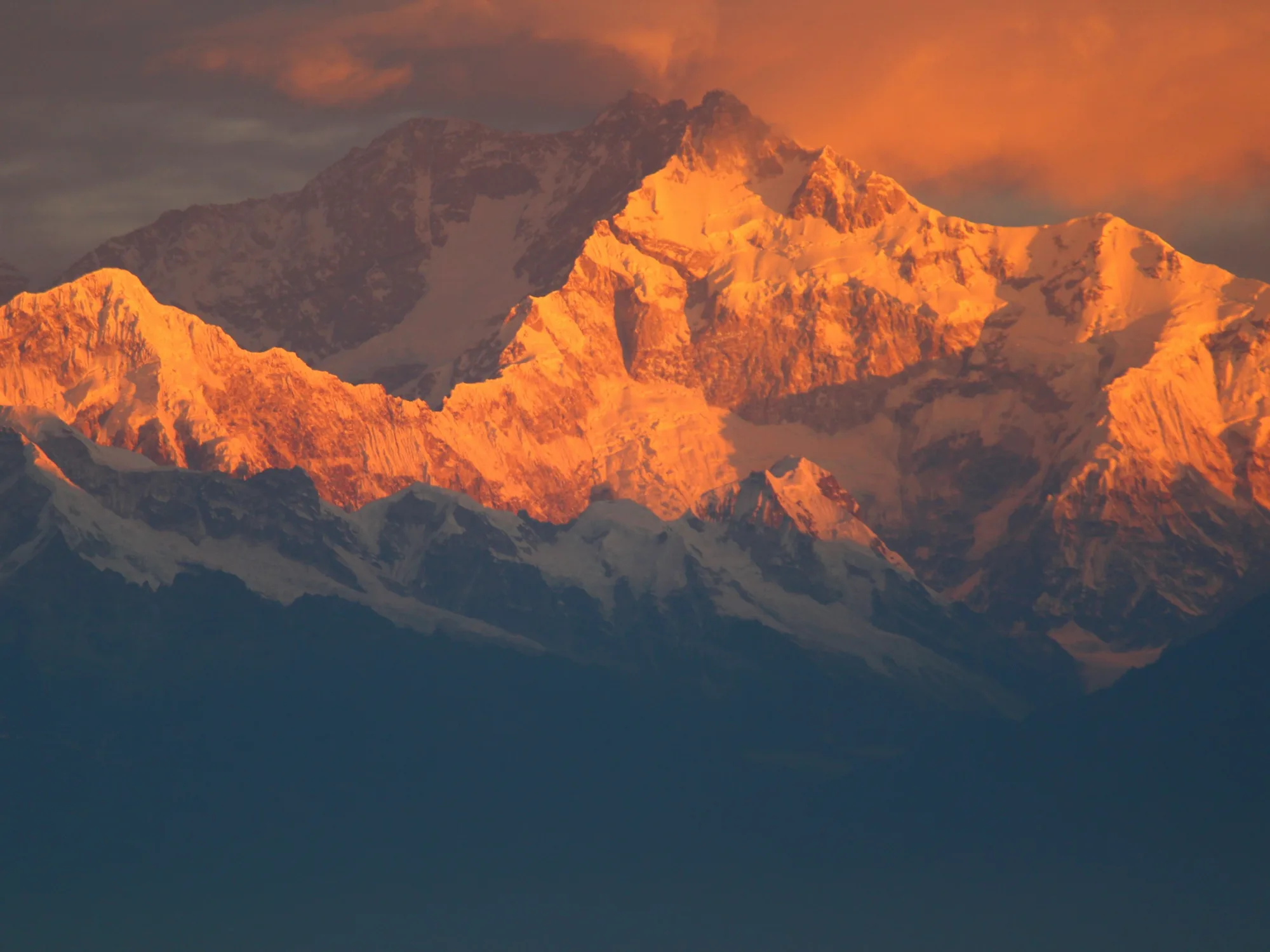
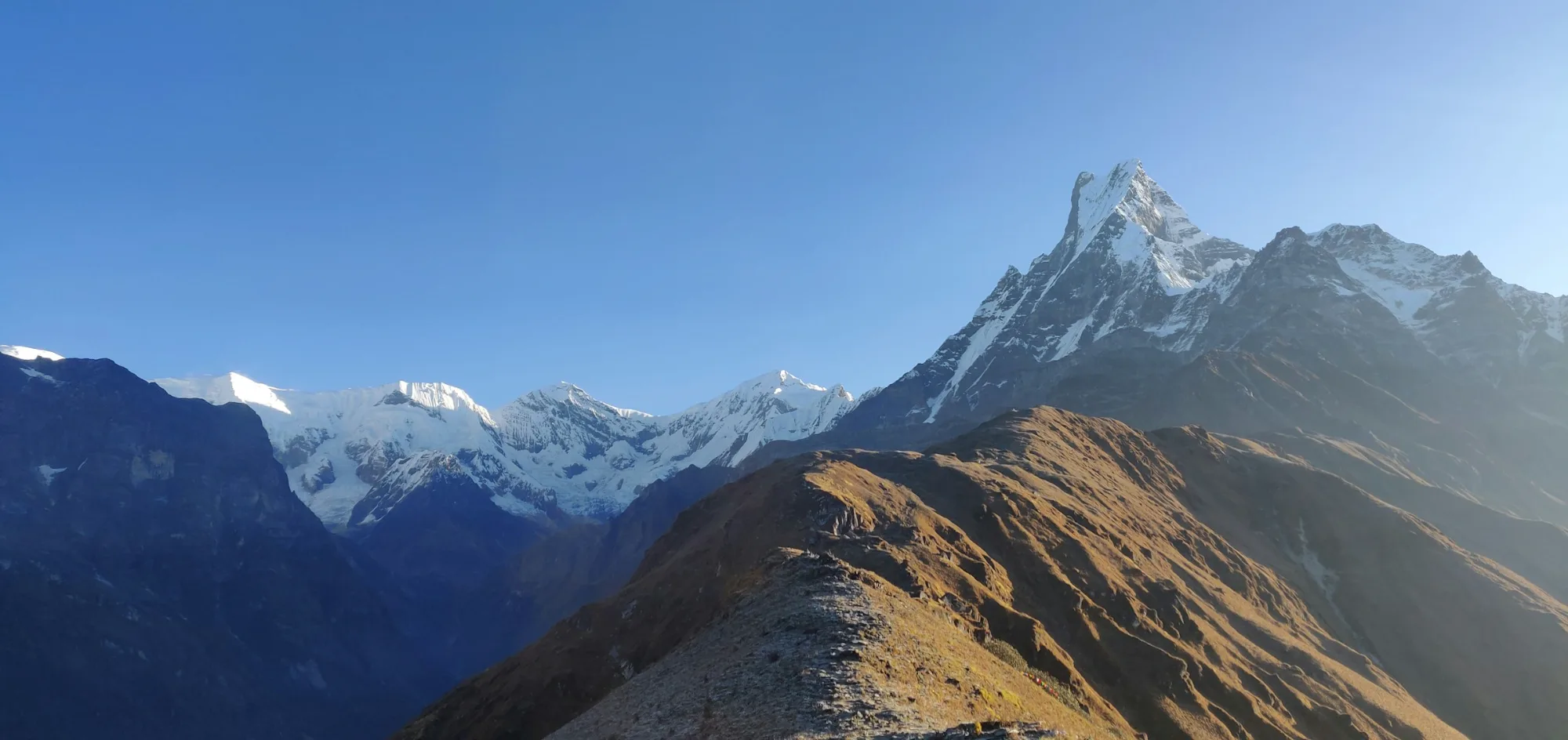
Manaslu expedition: the autumn 8,000 m peak, royalty, true summit and logistics for operators
Manaslu (8,163 m) is climbed mainly in September and early October. Since September 2025 the royalty is USD 3,000 per foreign climber in autumn and USD 1,500 in spring, with a USD 3,000 garbage deposit per expedition team, a restricted area permit for the approach and one guide per two climbers.
| Height | 8,163 mSource: The Himalayan Times, 18 September 2026 |
|---|---|
| Royalty, foreign climber | USD 1,500 spring, USD 3,000 autumn, USD 1,500 winter and summerSource: Department of Tourism, mountaineering fee (checked 16 Nov 2026) |
| Garbage deposit | USD 3,000 per expedition teamSource: Department of Tourism, mountaineering fee (checked 16 Nov 2026) |
| Manaslu restricted area permit | September to November: USD 100 first week, then USD 15 per day; December to August: USD 75, then USD 10Source: Department of Tourism, trekking routes (checked 16 Nov 2026) |
| MCAP entry | NPR 3,000 foreigners, NPR 1,000 SAARC nationalsSource: NTNC ePermit (checked 16 Nov 2026) |
| Guide rule | Solo climbs banned; one guide per two climbers on 8,000 m peaksSource: The Kathmandu Post, 5 February 2025 |
| Autumn 2026 permits | 500 climbers in 43 teamsSource: Onlinekhabar, 28 October 2026 (DoT figures) |
Manaslu is the 8,000 m peak of the Nepal autumn. It is the eighth highest mountain in the world, it sits inside a restricted trekking area in Gorkha district, and in autumn 2026 it drew more climbers than any other peak in the country. For agents and expedition operators it is a common choice for a client's first 8,000 m peak, which makes the planning details matter: the royalty is unusual, the approach crosses a restricted area, the camps sit below known avalanche slopes, and the true summit question changed what counts as success. This guide sets out what we check before we commit to a Manaslu departure.
For seasons and permit rules across all peaks, see our mountaineering in Nepal guide for expedition operators, and our explainer on trekking peaks and expedition peaks.
Manaslu in brief
| Item | Detail | Source, checked 16 Nov 2026 |
|---|---|---|
| Height | 8,163 m | The Himalayan Times; The Kathmandu Post |
| Royalty, foreign climber | USD 1,500 spring, USD 3,000 autumn, USD 1,500 winter and summer | Department of Tourism mountaineering fee page |
| Garbage deposit | USD 3,000 per expedition team | Department of Tourism mountaineering fee page |
| Restricted area permit | September to November: USD 100 per person for the first week, then USD 15 per day. December to August: USD 75, then USD 10 per day | Department of Tourism trekking routes page |
| Manaslu Conservation Area entry | NPR 3,000 foreigners, NPR 1,000 SAARC nationals | NTNC ePermit |
| Autumn 2026 permits | 500 climbers in 43 teams | DoT figures reported by Onlinekhabar, 28 Oct 2026 |
Manaslu is the only peak in the Department of Tourism (DoT) schedule where autumn royalty is higher than spring. It has its own row and does not follow the band for other 8,000 m peaks, which is USD 3,000 in spring and USD 1,500 in autumn. The royalty totals reported for autumn 2026 work out at USD 3,000 per climber, which matches the schedule. Confirm the current fee with us before quoting.
Autumn season
Manaslu is climbed mainly in September and early October, before Ama Dablam and the trekking peaks take over the Himalayan calendar. International Mountain Guides, for example, publishes a plan that targets a summit around 28 September with contingency days into early October. The season is short and depends on the end of the monsoon, so a wet September can close it early.
- Autumn 2025: 374 climbers in 31 teams held permits, The Himalayan Times reported.
- Autumn 2026: 500 climbers in 43 teams held permits according to DoT figures. The rope fixing team of the Expedition Operators Association reached the main summit on 17 September, The Himalayan Times reported, but about two weeks of rain and snow followed and Seven Summit Treks and other operators closed their expeditions around 22 September with no client summits reported.
The 2026 season is a useful example for clients: a full permit fee, a fixed route and a well run base camp do not guarantee a summit. Expectation setting in the sales stage protects the relationship. For broader rule changes, see our Nepal tourism rules tracker.
Approach and restricted area
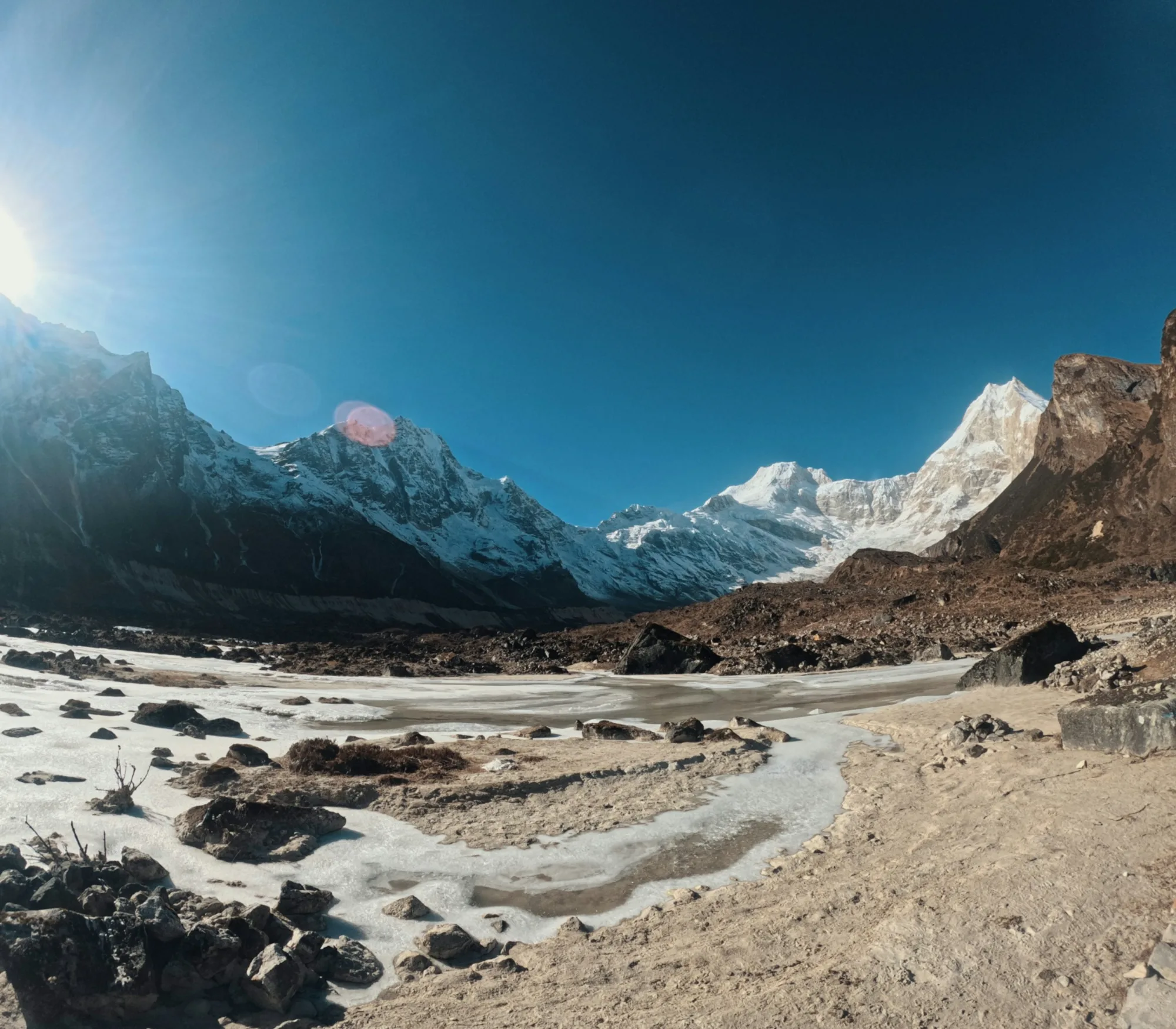
Manaslu base camp sits above Samagaun (about 3,500 m) in the upper Budhi Gandaki valley. There are two ways in:
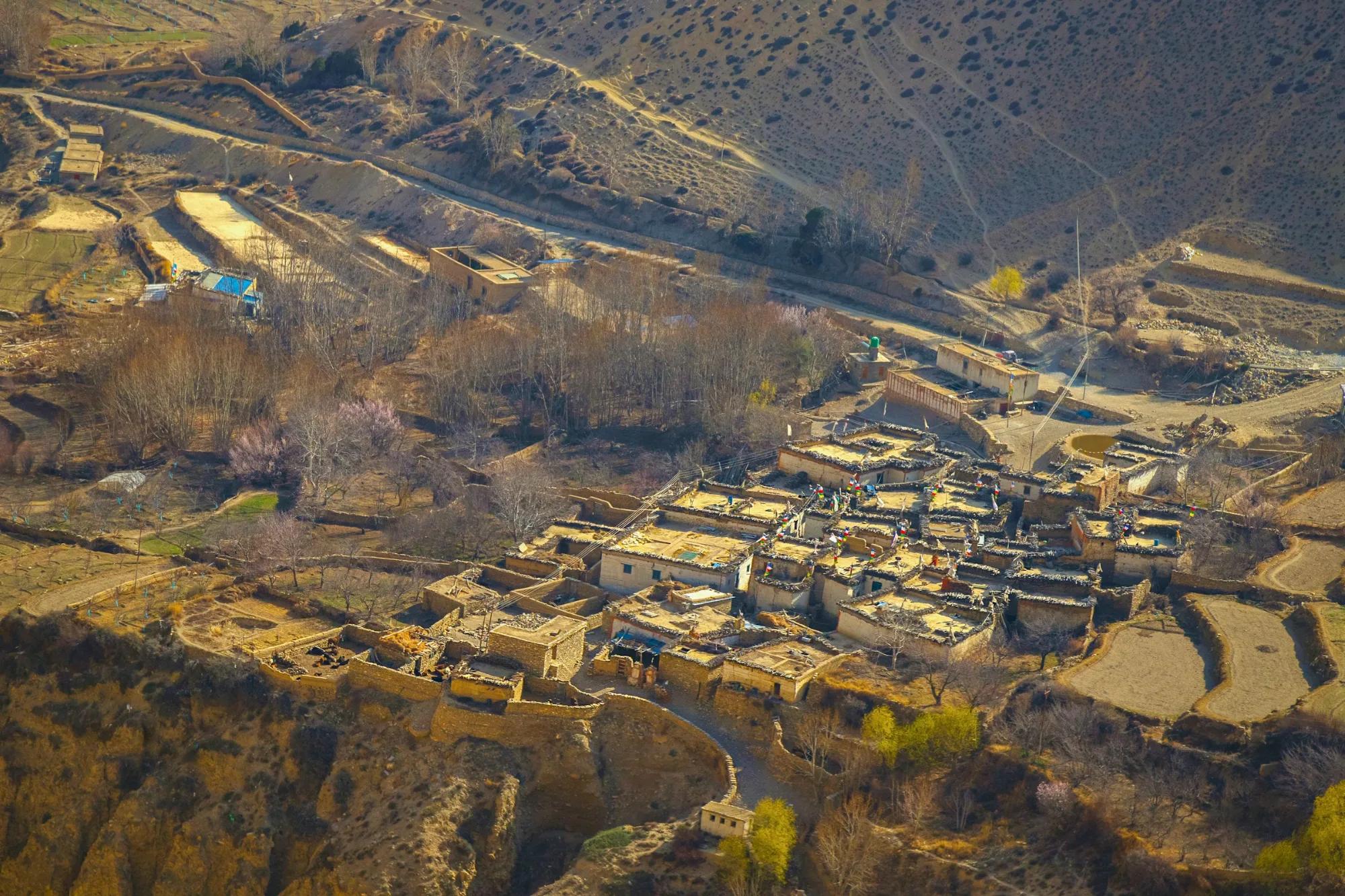
- By road and trail: a jeep road runs from Kathmandu via Arughat to Machha Khola, with jeeps reaching Jagat in the dry season. From there the team walks up the Budhi Gandaki valley to Samagaun over several days, which also builds acclimatisation.
- By helicopter: many commercial teams fly from Kathmandu straight to Samagaun and acclimatise there and at base camp. Weather can delay flights, so keep spare days at both ends.
The approach lies inside the Manaslu restricted area, whose permit is issued only through a licensed agency, along with Manaslu Conservation Area entry. Budget the restricted area permit and conservation area fee for each member unless we confirm otherwise for your dates and route. Our guide to restricted area permits in Nepal explains the rules. In late October 2026 the Department of Immigration briefly stopped issuing restricted area permits because of a snowstorm and avalanche forecast, The Himalayan Times reported, so build some slack into the permit timeline.
Camps and summit
| Camp | Approximate height | What happens there |
|---|---|---|
| Base camp | 4,700 m to 4,800 m | Rotations start here; above Samagaun |
| Camp 1 | about 5,800 m | Glacier camp below the first ice sections |
| Camp 2 | about 6,400 m | Reached through crevassed ground and short steep steps |
| Camp 3 | about 6,800 m | Exposed to avalanche and serac fall from above |
| Camp 4 | about 7,450 m | Summit push camp |
| Main summit | 8,163 m | A narrow ridge beyond the fore summit |
Heights are from guiding company itineraries and vary slightly between operators. Published programmes run to about five weeks from Kathmandu.
Avalanche history
Manaslu's camps have been hit by avalanches more than once. On 23 September 2012 a serac released above Camp 3 and the avalanche killed 11 climbers. In late September 2022 an avalanche between Camp 3 and Camp 4 killed Nepali climbing guide Anup Rai and injured others. Ask your ground partner where camps will be placed and how the team decides on movement after heavy snow.
The true summit
For years many climbers stopped at a fore summit a few metres lower than the main summit. The Kathmandu Post reported that on 27 September 2021 a team of 22 climbers reached the main summit in what it described as the first autumn ascent of the main summit in 45 years, and drone images published by Jackson Groves showed the separate summit points along the ridge. The Himalayan Database announced that from 2022 only the true summit counts as a Manaslu ascent. In 2026 the rope fixing team fixed the route to the main summit.
Operator tip: write "main summit" into the contract and the client briefing. Agree in advance what happens if conditions on the final ridge are unsafe: a client who turns at the fore summit has not climbed Manaslu under the current record rules, and that conversation is easier before the trip than at Camp 4.
Rules and logistics
- Guide rule: since the February 2025 amendment to the mountaineering regulation, solo climbs on 8,000 m peaks are banned and teams must have one guide for every two climbers, The Kathmandu Post reported.
- Liaison officer: the Nepal Tourism Board states that expedition peaks above 6,500 m must employ a liaison officer; budget for one.
- Oxygen and staff: supplementary oxygen, high altitude workers to carry it and a base camp team for five weeks are the main cost lines after royalty.
- Insurance: clients need cover that names climbing to 8,163 m and includes helicopter rescue. See our note on Nepal trekking insurance requirements and how helicopter rescue in Nepal works.
- Pending law: the Integrated Tourism Bill was still in committee when The Kathmandu Post reported in July 2026, and some proposed amendments would extend its 7,000 m experience rule from Everest to all 8,000 m peaks. We found no later report of it being passed; check its status before quoting.
For how the Everest fee and rules compare, see our note on the Everest climbing permit and royalty.
Is Manaslu a good first 8,000 m peak?
For a client with a strong record on 6,000 m and 7,000 m peaks, Manaslu is a common choice for a first 8,000 m attempt. The reasons are practical: the autumn timing does not clash with Everest, base camp is reachable by helicopter, and the route is mostly snow and glacier rather than hard rock. The risks are equally practical: avalanche exposure, a short weather window and a final ridge that must be climbed to count. Clients coming from Ama Dablam or a 7,000 m peak are well placed; clients coming straight from a trekking peak are not.
Questions to ask your ground partner
Before you sign a Manaslu contract, ask for written answers to these points. A good ground partner will answer them without hesitation:
- Which royalty row and season is the quote built on, and is the garbage deposit shown separately?
- How will the team reach Samagaun, and what happens to the schedule if helicopters cannot fly?
- What is the guide to climber ratio above base camp, and is it the same on summit day?
- How much oxygen is allocated per client, and what is the reserve for rescue use?
- Where will each camp be placed this season, and who decides on movement after heavy snow?
- What is the turnaround rule on summit day, and how is the main summit confirmed?
- What happens to unused days and services if the season closes early, as it did in 2026?
For travel agents: how to package it
- What to include: DoT royalty and USD 3,000 garbage deposit, restricted area permit and conservation area fee, liaison officer, guides at one per two climbers or closer, high altitude workers, oxygen and masks, base camp services for the full stay, and the Samagaun transfer by road or helicopter.
- Buffers: at least a week of weather days inside the expedition, and two or three days in Kathmandu at the end for flight delays out of Samagaun.
- Who it suits: climbers with previous 6,000 m and 7,000 m experience who understand that autumn conditions can end the season early.
- Upsells: a one to one guide ratio and extra oxygen, helicopter in and out of Samagaun, or a combined Manaslu and Ama Dablam autumn for very experienced clients, timed so the second peak follows recovery.
Show every government fee as a separate line with its date checked, and keep your service price apart. See the peaks we run on our climbing and expedition page.
If you are planning Manaslu for autumn 2027, talk to our operations desk about a ground partnership.
Frequently asked questions
When is Manaslu climbing season?
Autumn is the main season, with summit attempts usually planned for late September or early October. The window is short and depends on the end of the monsoon.
Is Manaslu a good first 8,000 m peak?
It is a common first 8,000 m choice for climbers with solid 6,000 m and 7,000 m experience, because of its autumn timing and mostly snow and glacier route. Avalanche exposure and a short weather window are the main risks.
What is the Manaslu true summit issue?
Many climbers used to stop at a fore summit a few metres below the main summit. The Himalayan Database announced that from 2022 only the true summit counts as an ascent.
Do Manaslu climbers need a restricted area permit?
The approach crosses the Manaslu restricted area and conservation area, so budget both fees for each member unless your ground partner confirms otherwise for your dates and route.
Why is Manaslu royalty higher in autumn?
The Department of Tourism schedule effective 1 September 2025 gives Manaslu its own row, at USD 3,000 in autumn and USD 1,500 in spring. The schedule gives no reason; autumn is Manaslu's main climbing season.
Sources
- Department of Tourism: mountaineering fee (effective 1 September 2025)
- Department of Tourism: trekking routes and restricted area fees
- International Mountain Guides: Manaslu itinerary
- The Himalayan Times: Manaslu summit route open as autumn 2026 climbing season begins
- The Himalayan Times: The summit will wait, weather closes Manaslu season (22 September 2026)
- The Kathmandu Post: 22 climbers make rare autumn ascent of Manaslu main summit (30 September 2021)
- Alan Arnette: Avalanche kills many on Nepal's Manaslu (23 September 2012)
- Onlinekhabar: autumn 2026 climbing permits (28 October 2026)