Mountaineering in Nepal: permits, seasons and logistics for expedition operators
Mountaineering in Nepal runs on two permit systems: the Department of Tourism issues expedition permits for the big peaks, and the Nepal Mountaineering Association issues permits for its 27 smaller NMA peaks. Royalties depend on peak height and season, Everest costs USD 15,000 per foreign climber in spring since 1 September 2025, and every team also needs a garbage deposit, insured staff and a licensed local agency.
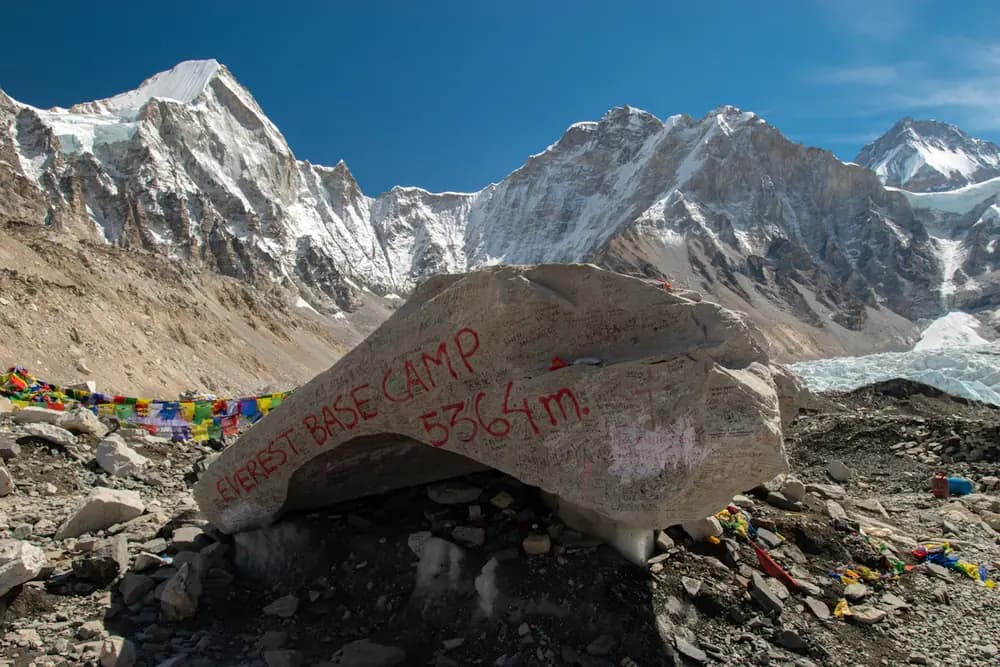
| Everest royalty, foreign climber, spring (normal route) | USD 15,000 from 1 September 2025 (autumn USD 7,500; winter and summer USD 3,750)Source: Department of Tourism, mountaineering fee page (checked 31 Oct 2026) |
|---|---|
| Everest garbage deposit | USD 4,000 per expedition, refundableSource: Department of Tourism, mountaineering fee page (checked 31 Oct 2026) |
| NMA peaks | 27 peaks; most at USD 350 per foreign climber in spring, USD 175 in autumnSource: Nepal Mountaineering Association (checked 31 Oct 2026) |
| Everest permits, spring 2026 | 492, a record (468 in spring 2025)Source: The Kathmandu Post, 8 May 2026 |
| Guide rule on 8,000 m peaks | Solo climbs banned; one guide per two climbersSource: The Kathmandu Post, 5 Feb 2025 |
| Royalty waiver | 97 peaks in Karnali and Sudurpaschim royalty-free for two years from July 2025Source: Radio Nepal, 22 Aug 2025 |
Mountaineering in Nepal is a regulated business. Every expedition needs a permit from the right office, a royalty paid in the right season, a refundable garbage deposit, insured local staff and a Nepal-licensed agency that answers for the team. This guide sets out how the system works today, what changed with the 2025 amendment to the expedition regulations, and how we plan a spring or autumn climb with our partner operators. Figures are taken from official pages and named news reports and were checked on 31 October 2026.
Expedition peaks vs trekking peaks
Nepal sorts its climbable mountains into two groups, and the group decides who issues the permit.
- Expedition peaks are managed by the Department of Tourism (DoT). The Kathmandu Post reported in February 2025 that Nepal has opened 468 peaks, and that the DoT's revised peak profile provisionally lists 14 peaks above 8,000 m, up from eight. DoT peaks range from 6,000 m objectives to Everest.
- NMA peaks, often called trekking peaks, are managed by the Nepal Mountaineering Association. Its website lists 27 peaks, including well-known first summits such as Island Peak (Imja Tse), Mera Peak and Lobuche East. NMA's right to manage these peaks was renewed for five years in December 2023, as Onlinekhabar reported.
The label 'trekking peak' undersells some of them. Several NMA peaks involve glacier travel, fixed lines and nights above 5,500 m. We treat them as climbs, with a climbing guide, proper acclimatisation and rescue cover, not as an add-on day at the end of a trek.
Who issues which permit, and what it costs
For DoT peaks the agency applies to the Department of Tourism on the team's behalf. Royalty is set per foreign climber and varies by height band and season. The table below shows the DoT rates for foreign climbers that apply from 1 September 2025, as published on the DoT mountaineering fee page.
| Peak (DoT) | Spring | Autumn | Winter and summer |
|---|---|---|---|
| Everest, normal South Col route | USD 15,000 | USD 7,500 | USD 3,750 |
| Everest, other routes | USD 10,000 | USD 5,000 | USD 2,500 |
| Other peaks above 8,000 m (except Manaslu) | USD 3,000 | USD 1,500 | USD 750 |
| Manaslu | USD 1,500 | USD 3,000 | USD 1,500 |
| 7,501 m to 7,999 m | USD 1,000 | USD 500 | USD 250 |
| 7,001 m to 7,500 m | USD 800 | USD 400 | USD 200 |
| 6,501 m to 6,999 m | USD 500 | USD 250 | USD 200 |
| Ama Dablam | USD 1,000 | USD 1,000 | USD 500 |
| Below 6,500 m | USD 350 | USD 175 | USD 175 |
Source: Department of Tourism, mountaineering fee page, checked 31 October 2026. Note that Manaslu's autumn rate, as published, is double its spring rate. Be aware that an older 2015 royalty table is still online on another DoT page; it is out of date.
The Everest increase was approved by the cabinet in January 2025 and took effect on 1 September 2025, according to the Kathmandu Post. The old Everest spring rate was USD 11,000. The same report says the permit period was cut from 75 to 55 days, and that the insurance minimum for high-altitude guides rose to Rs 2 million and for base camp workers to Rs 1.5 million.
For NMA peaks, the association publishes its own service charges per foreign climber. On the NMA website most of its peaks are listed at USD 350 in spring, USD 175 in autumn and USD 175 in winter and summer, with two peaks, Chulu East and Singu Chuli, at USD 500 in spring, USD 250 in autumn and USD 200 in winter and summer. Source: NMA service charges page, checked 31 October 2026.
One more cost is worth knowing. In July 2025 the cabinet waived royalty on 97 peaks in Karnali and Sudurpaschim provinces for two years, as reported by Radio Nepal and Republica. These are remote objectives with little infrastructure, but for exploratory teams the waiver changes the budget.
Seasons: spring and autumn windows
Royalty seasons follow the calendar used by the NMA and in DoT reporting: spring is March to May, summer June to August, autumn September to November and winter December to February.
- Spring is the main season for Everest, Lhotse and most 8,000 m peaks on the Nepal side. Teams arrive in late March or early April and summit pushes usually come in May. The Kathmandu Post counted a record 492 Everest permits in spring 2026, against 468 in spring 2025.
- Autumn is the season for Manaslu, Ama Dablam and many 6,000 m and 7,000 m peaks. Onlinekhabar reported in October 2026 that 788 climbers in 91 teams had permits for 31 peaks this autumn, with Manaslu alone accounting for 500 climbers in 43 teams.
- Winter and summer carry the lowest royalties because few teams can use them. Winter brings cold and jet-stream wind; summer brings monsoon cloud, rain on the approach and avalanche risk.
The season also shapes the price. Because the royalty for most DoT peaks halves from spring to autumn (Manaslu and Ama Dablam are the exceptions), an autumn climb of the same peak is often cheaper on permits, but it can be more crowded on the popular routes and colder on summit day late in November. For clients who are flexible, we compare both seasons on cost, crowding and weather before we quote.
For trek-and-climb programmes on NMA peaks, the same autumn and spring windows apply. Our article on which region to sell first by season covers the trekking side of the calendar.
Liaison officer, garbage deposit and other rules
A DoT expedition is assigned a government liaison officer, who checks the team's conduct and helps verify summit claims. The 2025 amendment raised the daily allowance for liaison officers and climbing staff, according to the Kathmandu Post. The main compliance points are these.
Garbage deposit
Every expedition lodges a refundable garbage deposit, returned when the team brings its waste back and the paperwork is cleared. DoT rates for the Khumbu and Annapurna ranges are below.
| Peak | Deposit (USD or NPR equivalent) |
|---|---|
| Everest | USD 4,000 |
| Other peaks above 8,000 m | USD 3,000 |
| 7,001 m to 8,000 m, and Ama Dablam | USD 2,000 |
| 6,501 m to 7,000 m | USD 1,000 |
| Below 6,500 m | USD 500 |
Source: Department of Tourism fee page (Schedule 9), checked 31 October 2026. Other ranges use a two-band rate: USD 3,000 above 8,000 m and USD 500 below.
Waste and tracking on Everest
- From spring 2026, Everest climbers must use the waste bags issued through the Sagarmatha Pollution Control Committee and the local rural municipality, and each member must bring 2 kg of rubbish down from above Camp II, on top of the existing rule to return 8 kg, The Himalayan Times reported.
- Tracking chips have been mandatory for Everest climbers and guides since a DoT decision in February 2024, according to the Kathmandu Post.
Solo climbs, guides and summit proof
- The 2025 amendment bans solo expeditions on 8,000 m peaks and requires one guide for every two climbers on those peaks, the Kathmandu Post reported.
- Everest summit certificates now need an original photo with the climber's face clearly visible and the mountains behind, the Kathmandu Post reported.
- A DoT circular for spring 2026, reported by The Himalayan Times, asks agencies to name the sirdar on the application, get approval before adding staff, lodge the original application with the royalty and garbage deposit vouchers, and send the team leader, an agency representative and the liaison officer to the briefing the DoT holds before departure.
- In April 2026 the DoT also told agencies to stop advertising unauthorised overnight stays at Everest expedition camps, according to ekantipur.
What is proposed but not yet law
The Tourism Bill passed by the National Assembly in February 2026 would require Everest applicants to have climbed a 7,000 m peak in Nepal, add a health certificate and replace the garbage deposit with a fee. In July 2026 the bill was still in a House of Representatives committee with 263 amendments filed, according to the Kathmandu Post. None of these provisions applies yet, but operators selling Everest for 2027 and later should tell clients that the entry bar may rise.
Operator tip: Ask every climbing client for a short climbing CV at the enquiry stage, not after deposit. It lets us match the peak to the person, and if the 7,000 m prerequisite becomes law, you will already know who qualifies.
Staff, oxygen and logistics
Most of the cost and most of the risk on an expedition sit in logistics, not in the permit.
- Climbing staff. High-altitude guides, a sirdar, base camp cook team and porters or pack animals for the approach. Staff need insurance at or above the legal minimum, proper equipment and wages that reflect the 2025 rates.
- Oxygen and hardware. On 8,000 m peaks, the oxygen plan (bottles per climber, regulators, masks, spare sets and who carries what) should be written into the contract. Rope fixing on popular routes is usually shared between teams, and the cost of that share belongs in the budget.
- Access flights. Everest and Khumbu teams fly to Lukla on small aircraft. In the busy seasons many of those flights leave from Ramechhap (Manthali) rather than Kathmandu, which adds a long early drive. Our Ramechhap and Lukla flights guide explains the routing and the buffer days to build in.
- Cargo. Expedition freight moves by porter, yak and helicopter, depending on region and local rules. Weight limits on small aircraft are strict, so plan duffel weights early.
- Rescue. Every climber needs insurance that covers helicopter evacuation at the altitudes on the plan. Check the policy wording for the summit height, not just 'trekking'.
- Weather and communications. Summit decisions on high peaks depend on paid forecasts and on reliable contact between base camp, the higher camps and Kathmandu. Budget for a forecast service, satellite or radio communication and charging at base camp, and agree in advance who makes the call to turn round.
- Acclimatisation on the approach. The trek to base camp is part of the climb. A rushed approach is the most common reason for a failed summit or an evacuation on smaller peaks, so we plan rest days by sleeping altitude, not by the number of days the client can spare.
- Kathmandu formalities. Permit files go through the DoT's permit system, original documents are lodged at the DoT in Kathmandu, and the team leader attends the DoT briefing with the agency and liaison officer before departure. Allow at least two nights in Kathmandu on arrival for permits, kit checks and rental gear, and one night on return for the debrief and certificates.
- Trek-in permits. The approach trek needs its own national park or conservation area entry and any local permits. Our full list of Nepal trekking permits covers these.
Planning timeline for a spring or autumn expedition
Here is the timeline we work to for a DoT peak. NMA peaks can move faster, but the same order applies.
| When | What happens |
|---|---|
| 9 to 12 months before | Choose the peak and season, check climber CVs, agree the staff and oxygen plan, set the budget with current royalty and deposit rates. |
| 6 months before | Book international flights, confirm the team list, start insurance checks, reserve base camp services and cargo. |
| 3 months before | Collect passport copies, CVs and medical declarations; we prepare the permit file and staff list. |
| 1 month before | Final team and staff names, insurance documents in original form, oxygen and equipment check. |
| Arrival in Kathmandu | Permit issue, DoT briefing for the team leader, liaison officer introduced, final kit check, flight or drive to the trailhead. |
| After the climb | Garbage clearance, summit verification, deposit refund and certificates. |
For the wider booking order, from flights to hotel blocks, see our planning timeline for Nepal.
For travel agents: how to package it
Expeditions sell best when the package is honest about what is included and what can change.
- What to include: permit and royalty (shown as a government fee with its date), garbage deposit handling, liaison officer costs, climbing staff with insurance, base camp services, oxygen plan for 8,000 m peaks, approach permits, Kathmandu hotel nights and domestic flights.
- Buffers: at least two spare days on the approach for flight delays, and summit-window days on top of the acclimatisation plan. On 8,000 m peaks the weather window decides the date, not the itinerary.
- Who it suits: NMA peaks such as Island Peak or Mera Peak suit fit trekkers with basic rope skills. 6,000 m to 7,000 m DoT peaks and Ama Dablam suit climbers with alpine experience. 8,000 m peaks need a documented high-altitude record.
- Upsells: a pre-climb training peak, extra summit days, private base camp facilities, a helicopter return from base camp where rules allow, and a Kathmandu Valley heritage day before departure.
- Contract points: state clearly what happens to royalty and staff costs if a climb is abandoned for weather, illness or a government closure. Royalties are not refundable once the permit is issued.
If you are comparing ground partners for a climb, our checklist for choosing a Nepal tour operator lists the licences and memberships to verify. Expert DMC Nepal is licensed by the Government of Nepal for travel, tour, trekking and mountaineering, is a member of the NMA and a TAAN member, and runs its own guides, transport and hotel contracts.
Where to start
Tell us the peak, the season and the climbers' experience, and we will come back with the permit route, the current government fees and a staffing plan. You can see the peaks we run on our climbing and expedition page, and combine a climb with a trek from our trekking programmes.
Travel agents and tour operators can set up a partnership with us here.
Frequently asked questions
Who issues climbing permits in Nepal?
The Department of Tourism issues expedition permits for the larger peaks, including all 8,000 m peaks. The Nepal Mountaineering Association issues permits for its 27 NMA peaks, such as Island Peak and Mera Peak. In both cases a licensed Nepal agency applies for the team.
When is the climbing season in Nepal?
Spring (March to May) is the main season for Everest and most 8,000 m peaks. Autumn (September to November) is the main season for Manaslu, Ama Dablam and many smaller peaks. Winter and summer climbs are possible but rare.
Do climbers need a liaison officer?
Expeditions on Department of Tourism peaks are assigned a government liaison officer, whose costs are part of the expedition budget. The liaison officer also takes part in verifying summit claims.
Can someone climb Everest without having climbed another big peak first?
At present there is no legal prerequisite. A Tourism Bill passed by the upper house in February 2026 proposes requiring a 7,000 m summit in Nepal first, but it was still in committee in July 2026 and is not in force.
Is the garbage deposit refundable?
Yes. The deposit is returned once the team brings its waste back and the clearance is completed. On Everest the deposit is USD 4,000 per expedition under the current Department of Tourism schedule.
Sources
- Department of Tourism: Updated royalty and insurance provisions (effective 1 September 2025)
- Nepal Mountaineering Association: service charges for foreign climbers
- The Kathmandu Post: Nepal hikes Everest climbing fee to $15,000
- The Kathmandu Post: Nepal bans solo expeditions on Everest and other 8000ers
- The Himalayan Times: Tourism department tightens rules for spring 2026 mountaineering season
- The Kathmandu Post: Everest season sees historic permit surge
- Onlinekhabar: 788 climbers obtain permits to scale 31 peaks this autumn
- The Kathmandu Post: Lawmakers seek tougher Everest climbing rules with 263 amendments to tourism bill