Nepal winter trekking: which treks work December to February
Nepal winter trekking works best on lower and mid-altitude routes such as Ghorepani Poon Hill, the Annapurna foothills, Langtang Valley and Everest view treks to Namche and Tengboche. High passes such as Thorong La, Cho La and Larkya La can be blocked by snow and should not be sold as fixed December to February departures. Build in spare days, because winter fog at Kathmandu airport can delay mountain flights.

| Thorong La altitude | 5,416 m; safest crossing windows are March to May and September to NovemberSource: Wikipedia, Thorong La |
|---|---|
| Cho La altitude | 5,420 m; crosses a slippery glacier and may need cramponsSource: Wikipedia, Cho La (Nepal) |
| Larkya La altitude and recent closure | 5,106 m; completely blocked by heavy snow in late September 2026Source: Onlinekhabar English |
| Poon Hill altitude | 3,210 mSource: Wikipedia, Poon Hill |
| ABC winter avalanche | 17 January 2020, Hinku Cave to Deurali section; four South Korean trekkers and three Nepali guides swept away, route closed about a monthSource: The Kathmandu Post |
| Riskiest ABC avalanche period | Winter (December to February), then early springSource: Onlinekhabar English |
| Winter fog at Kathmandu airport | Fog closed Tribhuvan International Airport for some hours on 31 December 2021Source: Onlinekhabar English |
| Manthali to Lukla autumn schedule (2024) | Tara Air planned Manthali to Lukla flights from 20 September until 15 DecemberSource: Onlinekhabar English |
Winter in Nepal runs from December to February, and for most overseas agents it is the quiet stretch between the autumn rush and the spring climbing season. That is exactly why it is worth a closer look. Skies are often clear, trails are far less busy and lodge owners are glad of guests. The catch is that winter trekking in Nepal is not the same product as autumn trekking with colder nights. Altitude decides almost everything: lower and mid-level routes run well, while the high passes become a gamble with snow, ice and short days. This guide sets out which treks we are comfortable running in winter, which we steer clients away from, and how to build winter itineraries that hold up when the weather turns.
Which Nepal treks work well from December to February?
The simple rule from our operations desk: the lower the high point, the more reliable the trek. Routes that stay in forest and terraced farmland, with a high point at or a little above the tree line, give the best mix of views and comfort. Routes that sit higher can still work in clear spells, but they need better gear, a stronger client and spare days. Routes that cross a glaciated or high pass are the ones we do not sell as fixed winter departures.
| Trek | Winter verdict | What to plan for |
|---|---|---|
| Ghorepani and Poon Hill (Annapurna foothills) | Strong winter choice | High point at Poon Hill is 3,210 m. Frosty dawns for the viewpoint, otherwise mild walking days. Short and easy to combine with Pokhara. |
| Short Annapurna foothill treks (Ghandruk, Dhampus and similar) | Strong winter choice | Village and forest walking with mountain views. Ideal for families and first-time trekkers. |
| Langtang Valley | Works with preparation | The upper valley is cold and can get snow. Good lodges and short access from Kathmandu make it a sensible winter option for fit clients. |
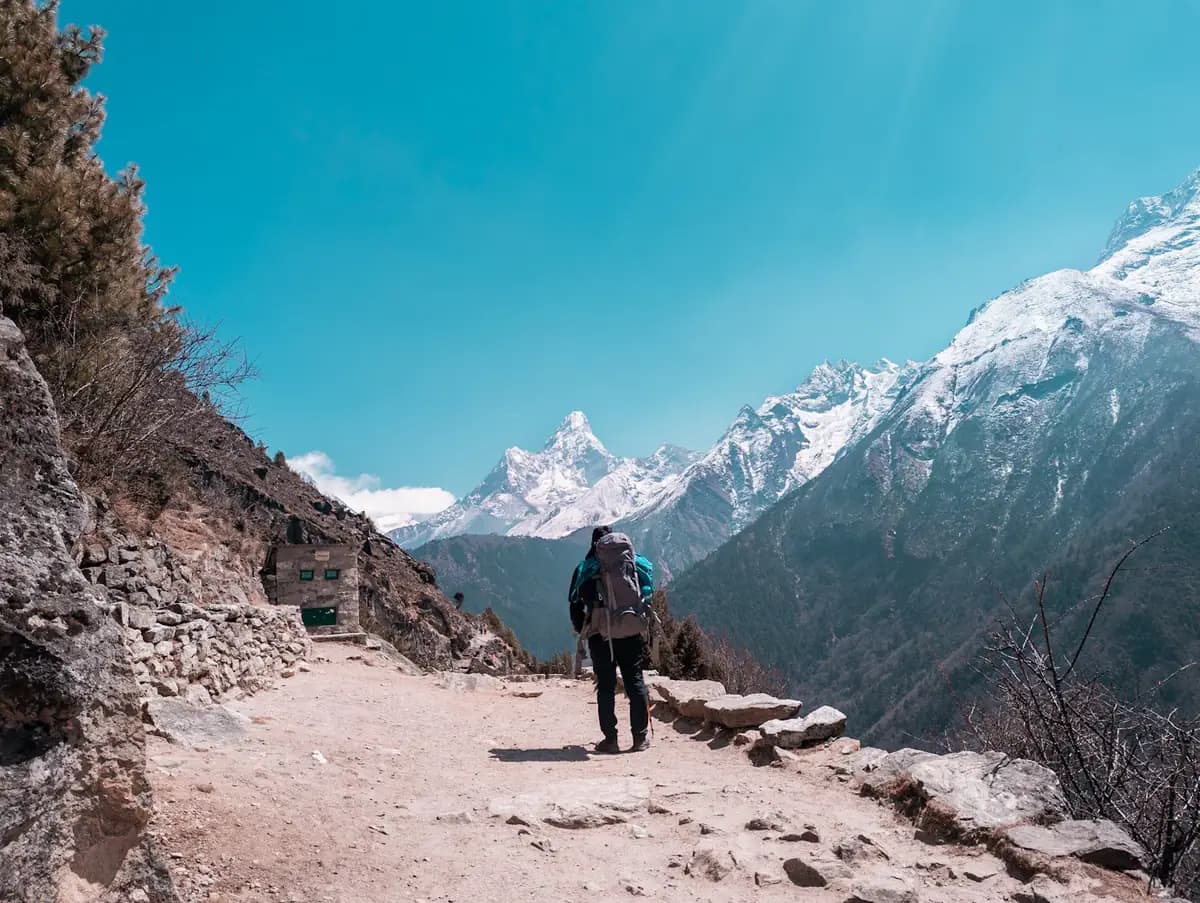
| Everest view treks to Namche and Tengboche | Works with preparation | Cold nights, clear mornings. The main risk is flight disruption at either end, so buffer days matter more than the walking. |
| Everest Base Camp | Possible for experienced, well-equipped clients | Very cold at the top end, with frozen water and icy sections. Sell only with spare days and flexible flights. |
| Annapurna Base Camp | Case by case | Avalanche-prone section between Hinku Cave and Deurali after heavy snow. Check conditions before every departure. |
| Annapurna Circuit via Thorong La, Manaslu via Larkya La, Everest Three Passes or Cho La | Not as fixed winter departures | High passes that can be blocked by snow. Offer in autumn or spring instead. |
If a client is set on the Everest region, see our comparison of Everest and Annapurna for different seasons, and browse current routes on our trekking page.
Which high passes should you avoid selling in winter?
Three passes come up in most agent enquiries, and all three are a poor fit for fixed winter dates.
- Thorong La (5,416 m) on the Annapurna Circuit. The safest crossing windows are spring and autumn. Outside them the risks include snow, avalanches, frostbite and whiteouts that make route finding hard.
- Cho La (5,420 m) on the Everest Three Passes and Gokyo link. It crosses glacier ice, may need crampons and the glacier edge is unstable. In winter conditions it is a mountaineering judgement, not a trekking day.
- Larkya La (5,106 m) on the Manaslu Circuit. Even before winter starts it can close: in late September 2026 heavy snow completely blocked the pass, and local hoteliers said hundreds of domestic and foreign trekkers were left waiting in Samagaun and Samdo.
That last example matters for how you write terms and conditions. High-pass treks can be stopped by snow at any time from autumn onwards, and in winter the chance is higher and clearing takes longer. If a client insists on the Annapurna region, we usually suggest a route that stays below the pass, or the Annapurna foothills combined with Pokhara.
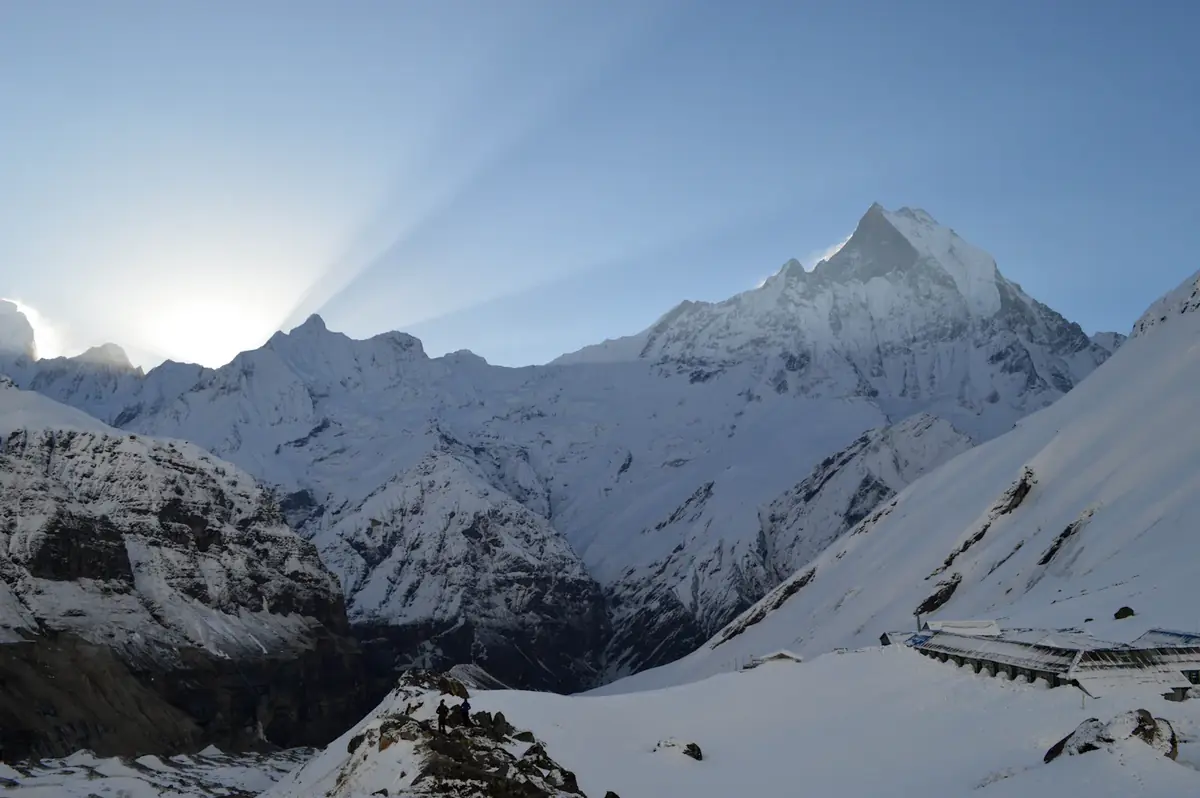
Annapurna Base Camp needs its own note. The trail does not cross a pass, but the narrow valley between Hinku Cave and Deurali funnels snow down from steep slopes, and it is considered one of the most dangerous sections of the route, especially in winter and early spring. On 17 January 2020 an avalanche on this section swept away four South Korean trekkers and three Nepali guides, and the route was closed for about a month. We run ABC in winter only after checking current snow conditions, and we brief clients that a day or two of waiting below Deurali is a normal part of the plan.
What is winter actually like on the trail?
Clients who have only seen autumn photos tend to underestimate the cold and overestimate the snow. On most lower and mid-level routes the days are bright and pleasant for walking, and many winter days are clearer than autumn ones. The cold arrives fast after sunset. Higher up, water bottles freeze overnight, lodge rooms are unheated and the dining room stove becomes the centre of the evening.
A few practical points we brief every winter group on:
- Shorter days. Start early, finish early. Afternoon cloud and wind are common, and walking after dark in the cold is something we avoid.
- Ice on shaded trails. North-facing sections and stone steps can stay icy all day. Lightweight traction such as microspikes is worth packing on mid and high routes.
- Quieter lodges. Fewer trekkers means easier rooms and faster meals, but some higher lodges reduce staff or close for part of the winter. We confirm the overnight stops before departure rather than assuming everything is open.
- Altitude still applies. Cold air and dehydration make acclimatisation harder, not easier. Winter is not a reason to shorten an itinerary.
How do winter flights and transfers affect your itinerary?
For trekking clients, the weather that most often disrupts a winter trip is not on the mountain. It is at the airports. Morning fog can close Kathmandu's Tribhuvan International Airport for hours: on 31 December 2021 dense fog stopped dozens of domestic and international flights, and some other airports across Nepal halted flights too.
For Lukla, the routing changes through the year. In autumn, airlines move many Lukla flights to Manthali airport in Ramechhap to ease traffic at Kathmandu. In 2024, for example, Tara Air's Manthali to Lukla schedule was planned to run until 15 December. Winter departures may therefore leave from Kathmandu or from Ramechhap depending on the airline's plan for that month, and the road transfer to Ramechhap changes the start time of day one completely. We confirm the routing when tickets are issued and build the client briefing around it.
Our standard advice: keep international departures at least two days after the planned return from any trek that depends on a mountain flight, and put the spare days at the end of the trek rather than in Kathmandu at the start.
Operator tip: For winter Everest trips, book the first scheduled flight of the morning to Lukla but expect the Kathmandu fog to delay it. Clients who arrive at the airport knowing that a two or three hour wait is normal stay calm; clients who were promised a 7am take-off do not. Put this in writing in the pre-departure pack.
What gear and briefing do winter trekking clients need?
We send every winter client a kit list well ahead of travel, because most of what they need is harder to find at short notice abroad than in Kathmandu. The essentials:
- A proper down jacket for evenings and early starts, plus warm layers that can be added and removed during the day.
- A sleeping bag suitable for sub-zero nights on mid and high routes.
- Warm gloves, a hat, a buff and sunglasses, as winter sun on snow is intense.
- Microspikes or similar traction for icy trail sections on higher routes.
- Travel insurance that covers trekking at the planned maximum altitude and helicopter evacuation. This is non-negotiable for any of our trekking departures.
Trekking permits are still required in winter. Permit rules and fees change, so please check our FAQ and confirm the current fee with us before quoting.
For travel agents: how to package winter trekking
Winter is a strong season if you sell it for what it is: quieter trails, big views and a shorter, softer trekking experience. It is a weak season if you try to sell autumn's high-pass classics in it.
What to include
- A licensed guide and porters with suitable winter kit. We check porter clothing and footwear before winter departures.
- Tea house accommodation with confirmed winter opening for each overnight stop.
- Internal flights or private transfers, with the routing and contingency spelt out.
- Spare days: at least one on any trek with a mountain flight, and a weather day on routes such as Langtang or ABC.
Who it suits
- Families and first-time trekkers on short Annapurna foothill routes.
- Photographers who value clear air and quiet viewpoints over warm evenings.
- Travellers with Christmas, New Year or February school holidays to use.
- Experienced trekkers who accept cold and possible delays for a quiet Everest region.
Upsells and combinations
- Pair a short trek with Pokhara, Chitwan or the Kathmandu Valley heritage sites. See our tours for combinations.
- Add soft adventure days such as paragliding over Pokhara or a jungle safari. Browse activities.
- Offer a helicopter return from the Everest region as an optional extra for clients short on time.
Climbing clients are a separate conversation; for peaks and expeditions see our climbing and expedition page. If you are planning a season's programme, our planning timeline for agents shows when to book each component.
How we run winter departures from Kathmandu
Every winter departure gets a conditions check in the final days before the start: recent snowfall, lodge openings on the route, flight routing and the latest local advisories. If a section is not safe, we change the route and tell you before your client lands, not after. Guides carry the authority to turn a group around, and our desk in Kathmandu supports that decision every time.
If you would like winter net rates, sample itineraries or help choosing the right route for a client brief, become a partner and our operations desk will come back to you with options. You can also read how a Nepal DMC partnership works before getting in touch.
Frequently asked questions
Can you trek to Everest Base Camp in winter?
Yes, for experienced and well-equipped clients who accept very cold nights and icy sections. The main risk is flight disruption at Kathmandu or Lukla, so build in at least one spare day and keep international flights flexible.
Is the Annapurna Circuit possible in winter?
The problem is the Thorong La crossing at 5,416 m. Snow, avalanche risk, frostbite and whiteouts can stop crossings, so we do not sell the full circuit as a fixed December to February departure and suggest routes that stay lower instead.
Is Poon Hill a good trek in December?
Yes. With a high point of 3,210 m it is one of the most reliable winter treks, with frosty dawns and mild walking days, and it fits easily into a Pokhara itinerary.
Is Annapurna Base Camp safe in winter?
It can be, but the section between Hinku Cave and Deurali is avalanche-prone after heavy snow; an avalanche there in January 2020 swept away seven people. We check snow conditions before every winter departure and plan for possible waiting days.
Do winter trekkers need crampons?
On lower routes usually not. On higher routes, light traction such as microspikes helps on icy sections, and glaciated passes such as Cho La may need crampons.
Are trekking permits different in winter?
Trekking permits are still required in winter. Rules and fees change, so confirm the current fee with us before quoting.
Sources
- The Kathmandu Post: Trekkers return to Annapurna trail after avalanche
- Onlinekhabar English: Avalanche risk in Annapurna Base Camp trek
- Onlinekhabar English: Heavy snowfall blocks Larkya La
- Onlinekhabar English: Tara Air Manthali to Lukla flight schedule (September 2024)
- Onlinekhabar English: Fog closes Kathmandu airport
- Wikipedia: Thorong La
- Wikipedia: Cho La (Nepal)
- Wikipedia: Poon Hill