Upper Mustang Trek: What Agents Need to Know Before Selling It
The Upper Mustang trek is a restricted area trip north of Kagbeni that costs USD 50 per person per day in permit fees plus the ACAP entry permit, and it must be booked through a registered agency with a licensed guide. It sits in the rain shadow, so it works in the monsoon, but road and Jomsom flight access both need buffer days. We run a 10 to 14 day trek and a 7 to 9 day jeep and walk version.
| Upper Mustang restricted area permit | USD 50 per person per daySource: Nepal Tourism Board, Trekking Permit |
|---|---|
| Previous fee | USD 500 per person for the first 10 days, then USD 50 per day, replaced by Cabinet in November 2025Source: The Kathmandu Post, 20 Nov 2025 |
| ACAP entry permit | NPR 3,000 foreigners, NPR 1,000 SAARC, tax includedSource: NTNC e-permit |
| Solo trekkers | Allowed since March 2026 with a registered agency and licensed guideSource: The Kathmandu Post, 22 Mar 2026 |
| Guide ratio in restricted areas | Maximum seven trekkers per guideSource: The Kathmandu Post, 22 Mar 2026 |
| Kagbeni altitude | 2,804 mSource: Nepal Tourism Board trade site, Pilgrimage Sites |
| Climate | Rain shadow area, can be visited in the rainy season; Tiji usually in MaySource: Nepal Tourism Board trade site, Annapurna Region |
| Tiji festival timing | 26th to 29th of the third month of the Tibetan calendar, in Lo ManthangSource: Nepal Tourism Board, Tenchi festival page, checked 19 Nov 2026 |
The Upper Mustang trek is one of the easiest restricted areas in Nepal to sell and one of the easiest to get wrong. Clients see the walled town of Lo Manthang, the red cliffs and the cave settlements and assume a gentle cultural walk. The reality for the operator is a regulated permit, a mandatory agency and guide, a road that was badly disrupted in autumn 2026, a weather dependent air link, and a high, dry, windy landscape that tires people more than the altitude figures suggest. This briefing is written for agents and tour operators who want to put Upper Mustang into a programme with the right expectations and the right buffers. It reflects what we checked on 19 November 2026.
Upper Mustang in brief
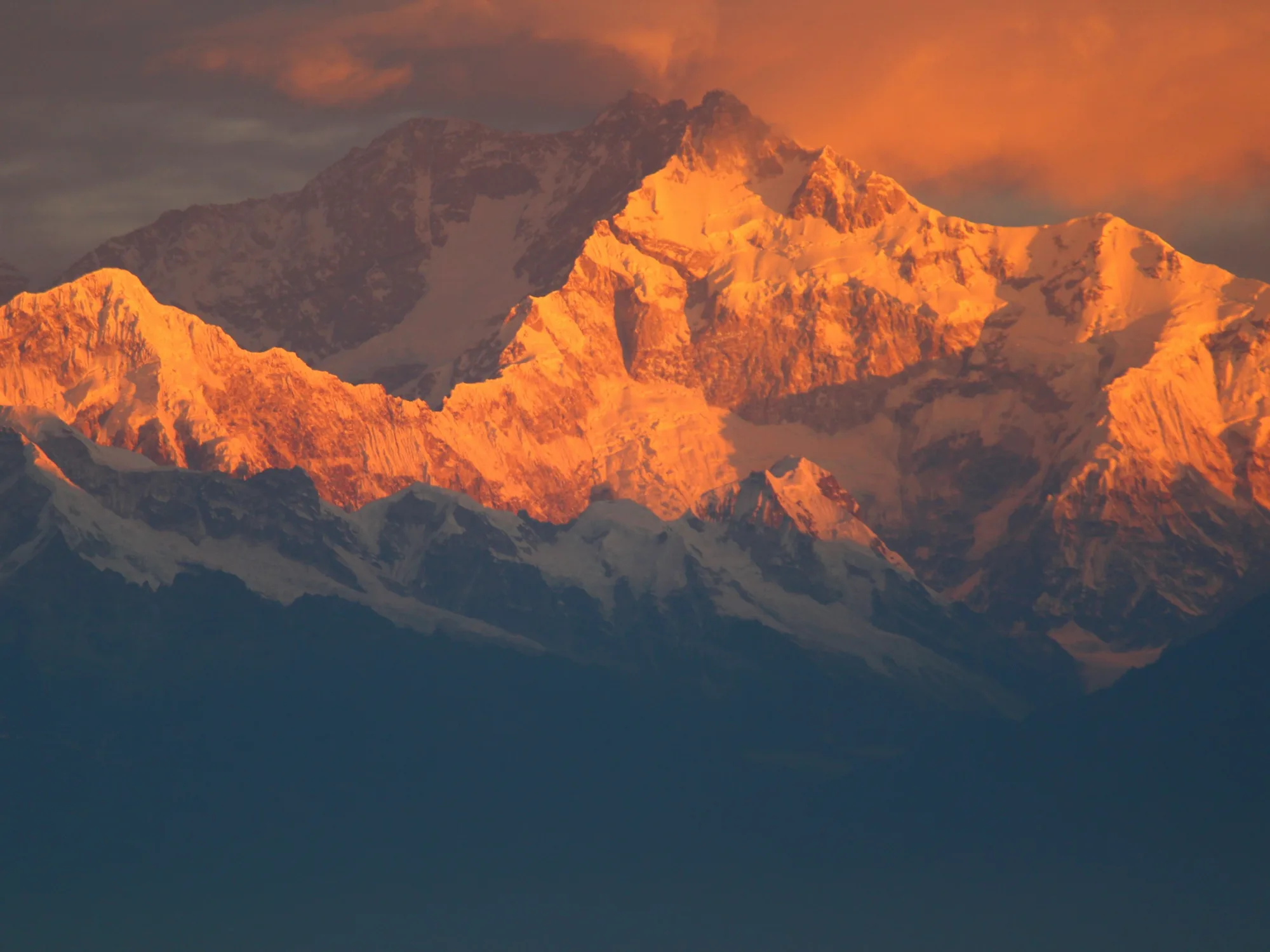
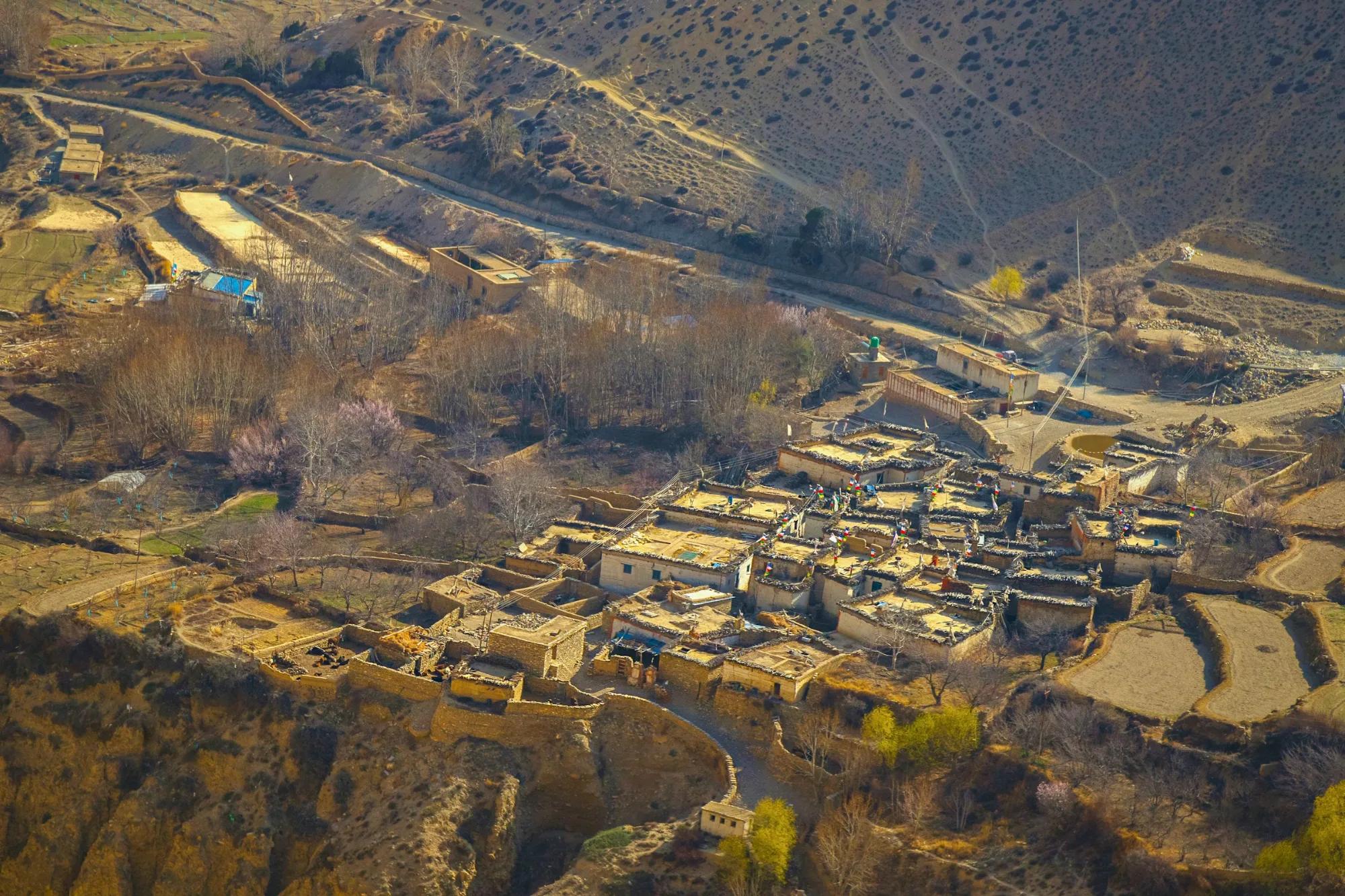
Upper Mustang is the northern part of Mustang district, beyond Kagbeni, running up the Kali Gandaki valley towards the Tibetan plateau. The Nepal Tourism Board describes Lo Manthang as a walled city that was once a principality ruled by the Raja of Mustang, with a 15th century Sakyapa monastery. Everything north of Kagbeni needs a special trekking permit on top of the Annapurna Conservation Area entry permit, because the area is listed as restricted.
Kagbeni sits at 2,804 m and is about an hour on foot from Jomsom, according to the Nepal Tourism Board trade site. The same source puts Upper Mustang at about five days' trek from Jomsom. Our own Upper Mustang trek itinerary tops out at 3,840 m, which is moderate by Himalayan standards, but the trip spends several consecutive nights above 3,000 m in a cold, dry climate with strong afternoon wind in the valley.
For agents, the key change is cost structure. Until the Cabinet decision of November 2025 the restricted area permit was a flat USD 500 for the first ten days, so a shorter stay cost the same as a ten day one. It is now charged per day, which makes shorter jeep based programmes far more viable and changes how you should price and position the trip.
Who the Upper Mustang trek suits, and who it does not
Upper Mustang works best for clients who want culture, landscape and a sense of remoteness rather than big mountain views at close range. It is a good second or third Nepal trip for someone who has already seen Everest or Annapurna, and it suits photographers, people interested in Tibetan Buddhist heritage and small private groups who value space.
- Good fit: fit walkers comfortable with long days on dusty trails and jeep tracks, couples and small private groups, repeat Nepal clients, special interest groups (photography, monasteries, cave sites), and travellers who need a summer option.
- Possible with care: older clients and softer travellers on the jeep and walk version, provided they accept long, bumpy drives and basic lodges.
- Poor fit: clients who expect lush forest and close views of big peaks, anyone who dislikes wind and dust, groups with no flexibility on their international flights, and clients with medical conditions made worse by cold, dry air at altitude.
Be honest that lodges are simple. Rooms are clean in the better places but heating is limited, and in the shoulder seasons nights are cold. If a client is choosing between this and a shorter, greener walk, our Annapurna Circuit briefing covers the trek that shares the Jomsom and Kagbeni section and is often the better sale for clients who want a classic high pass.
Best months for a Mustang trek
The selling point that agents often miss is the rain shadow. The Nepal Tourism Board notes that Upper Mustang lies in the rain shadow and can be visited during the rainy season. That makes it one of the few treks we are comfortable selling in June, July and August, when most of the country is wet and cloud covers the views. Our guide to what works in the Nepal monsoon places Upper Mustang alongside the other summer options.
The rain shadow protects the trekking area, not the approach. The road from Pokhara and Beni climbs the Kali Gandaki gorge through country that does receive heavy rain, and that is where trips fail. In 2026 the Kathmandu Post reported heavy rain from 24 to 26 September that damaged the Kaligandaki corridor road at 41 locations between Maldhunga in Parbat and Korala on the Chinese border, disrupting the main road for nearly two weeks. A summer or early autumn Mustang trip therefore needs more buffer on the access days than a trip in spring.
- Spring (March to May): clear, increasingly warm, windy in the afternoons. The Tiji festival usually falls in May.
- Summer (June to August): the trekking area stays relatively dry. Access by road and air is the weak point.
- Autumn (September to November): settled weather once the monsoon ends, cold nights by November, and the risk of late monsoon damage to the road in September.
- Winter (December to February): we do not usually recommend it. Cold is severe, and scheduled Jomsom flights can be reduced or paused; confirm the schedule with us.
Upper Mustang permit and the rules that apply
Upper Mustang needs two permits: the restricted area permit issued by the Department of Immigration, and the Annapurna Conservation Area Project (ACAP) entry permit. Our restricted area permits explainer covers the system across all restricted regions, and the wider Nepal trekking permits guide covers national park and conservation area permits. The table below covers Upper Mustang only.
| Item | Current rule or fee | Source | Checked |
|---|---|---|---|
| Upper Mustang restricted area permit | USD 50 or equivalent convertible currency, per person, per day | Nepal Tourism Board trekking permit table | 19 Nov 2026 |
| Previous Upper Mustang fee | USD 500 per person for the first 10 days plus USD 50 per person per day beyond 10 days, replaced by Cabinet decision in November 2025 | The Kathmandu Post, 20 Nov 2025 | 19 Nov 2026 |
| ACAP entry permit | NPR 3,000 foreigners, NPR 1,000 SAARC nationals, tax included; double if issued at a check post | NTNC e-permit portal | 19 Nov 2026 |
| Solo trekkers | Allowed since March 2026; previously at least two trekkers were required | The Kathmandu Post, 22 Mar 2026 | 19 Nov 2026 |
| Agency and guide | Apply through a registered trekking agency and travel with a licensed trekking guide; the agency is responsible for emergency rescue | The Kathmandu Post, 22 Mar 2026 | 19 Nov 2026 |
| Guide ratio | Maximum seven trekkers per guide | The Kathmandu Post, 22 Mar 2026 | 19 Nov 2026 |
Three practical points follow from this. First, the per day fee means permit cost now tracks the number of days inside the restricted area, so a short jeep based stay is cheaper in permits than a full trek. At USD 50 a day, a seven day stay comes to USD 350 per person in restricted area fees, against USD 500 under the old flat rate. Second, the permit is issued for a specified area and route, and trekking outside it is a violation of law, so changes after issue are not a formality. Third, the old two person minimum is gone, but the agency and licensed guide requirement remains. A solo client still needs a guide for the whole time in the restricted area.
Some official pages were slow to catch up with these changes in 2026, and older operator websites still quote the USD 500 package. Always confirm the current fee with us before you quote, and keep the government fee separate from your package price so a change does not break your margin.
Logistics and risks: Jomsom, the road and altitude
There are two ways into the region from Pokhara: the scheduled flight to Jomsom, or the road up the Kali Gandaki through Beni. From Jomsom, Kagbeni is a short walk or drive, and the restricted area starts north of Kagbeni, where permits are checked. North of Kagbeni a jeep road runs up to Lo Manthang and beyond towards Korala on the Chinese border. Walking routes use parts of the road and parts of older trails on both sides of the river.
The Jomsom flight
The Pokhara to Jomsom route is flown by small aircraft and depends on early morning weather and wind. It is not a service to sell as guaranteed. Scheduled services on the sector can also be reduced or paused outside the main season, so confirm the current flight schedule with us before you quote a fly option. Our domestic flights guide explains how we handle mountain sector delays more generally.
The road
The road option is long, rough and dusty, and in 2026 it was badly affected by monsoon damage. The Kathmandu Post reported on 7 October 2026 that the Mustang section had reopened to two way traffic, while three major trouble spots remained in Myagdi and some travellers were walking around damaged sections. Treat road conditions as something we confirm in the week of travel, not at booking.
Altitude and health
The altitude is moderate, but clients who fly from Pokhara to Jomsom gain height quickly and then keep sleeping above 3,000 m. Build the itinerary so sleeping altitude rises gradually and avoid squeezing the jeep version into too few nights. Our altitude sickness and itinerary design guide sets out the principles we use. Cold, dry air and dust also cause sore throats and coughs; a buff and lip protection belong on every kit list.
Operator tip: plan Upper Mustang as a road trip with an optional flight, not a flight trip with a road backup. If the Jomsom flight is running, it becomes a bonus that saves a day. If it is not, the programme still works. Add one contingency day at the end, before the client returns to Kathmandu, and keep their international departure at least one further day clear.
Jeep or trek, and the Tiji festival
We run two versions. The full Upper Mustang trek is 10 to 14 days and walks most of the way between Kagbeni and Lo Manthang, with time for side visits to villages, monasteries and cave sites. The Mustang jeep and walk version is 7 to 9 days and uses the road for the longer stages, with shorter walks built in. Both reach the same high point of 3,840 m on our itineraries.
| Factor | Upper Mustang trek | Mustang jeep and walk |
|---|---|---|
| Duration (our itineraries) | 10 to 14 days | 7 to 9 days |
| Maximum altitude | 3,840 m | 3,840 m |
| Daily effort | Long walking days on most days | Long drives on rough road, short walks |
| Permit days in the restricted area | More days, higher permit total | Fewer days, lower permit total |
| Acclimatisation | Gradual by design | Needs care, as height is gained faster |
| Best for | Fit walkers, photographers, repeat clients | Older clients and short holidays |
| Main risk | Access days at the start and end | Road conditions throughout |
The Tiji festival in Lo Manthang is the obvious upsell. The Nepal Tourism Board notes that it is usually scheduled in May, and its festival page says Tiji is held from the 26th to the 29th of the third month of the Tibetan calendar, so the dates move each year and we do not publish 2027 dates until they are fixed. Festival departures need earlier confirmation than standard dates. Ask us for the confirmed dates before you advertise a Tiji departure, and see our Nepal festivals 2027 calendar for the wider festival year.
For travel agents: how to package it
Upper Mustang sells well as a premium small group or private trip. It rewards careful packaging more than most treks because two permits, a mandatory guide and fragile access all affect the client experience.
- What to include: restricted area permit and ACAP permit handled by us as the registered agency, a licensed guide for the whole restricted area stay, porters or a support vehicle, lodges, meals on trek, Pokhara transfers and either flight or road access with the alternative pre-planned.
- Buffers: at least one contingency day before the return to Kathmandu, plus one clear day before the international flight. In June to September, consider two.
- Who it suits: repeat Nepal clients, culture and photography groups, couples, and travellers needing a summer trek. The jeep and walk version opens it up to older clients.
- Upsells: a Tiji festival departure, a Muktinath visit on the way back (the Nepal Tourism Board lists Muktinath at 3,749 m), an extra night in Lo Manthang for side trips, or a private jeep for flexibility. For Indian groups, our Muktinath pilgrimage briefing explains how the temple visit is usually run.
- Pricing: keep government fees as a separate line. The per day permit means every extra night in the restricted area adds a fixed fee per person, so price contingency days with that in mind.
- Insurance: make sure policies cover trekking to the itinerary altitude and helicopter evacuation, and that clients understand the agency carries responsibility for rescue arrangements under the restricted area rules.
We are licensed by the Government of Nepal for trekking and are a TAAN member. We use our own guides and transport with our own hotel contracts, and we handle FIT to large groups, standard to luxury. Guides in other languages are available on request with advance notice. Our office is open Sunday to Friday, 10:00 to 17:30 Nepal time, and closed on Saturdays and Nepal public holidays.
If you want to add Upper Mustang to your programme, talk to us about a partnership and we will send itineraries, current permit rules and net rates for your dates.
Frequently asked questions
Is Upper Mustang worth the permit?
For clients who want culture, desert landscapes and a remote feel, yes. Since the fee became USD 50 per person per day, short jeep based trips cost much less in permits than under the old USD 500 flat rate, so the value case is stronger than it was.
Can you visit Upper Mustang in monsoon?
Yes. Upper Mustang lies in the rain shadow and the trekking area stays relatively dry in summer, but the road and flights from Pokhara can be disrupted by monsoon rain lower down, so build in extra buffer days.
When is the Tiji festival?
Tiji is usually held in May in Lo Manthang, on dates set by the Tibetan calendar. Confirm the year's dates with us before advertising a festival departure.
Can a solo traveller trek in Upper Mustang?
Yes. Since March 2026 single trekkers can obtain a restricted area permit, but they must book through a registered agency and travel with a licensed trekking guide.
Do clients need the ACAP permit as well as the restricted area permit?
Yes. Upper Mustang lies within the Annapurna Conservation Area, so clients need the ACAP entry permit, currently NPR 3,000 for foreigners and NPR 1,000 for SAARC nationals according to the NTNC e-permit portal.
Sources
- Nepal Tourism Board: Trekking Permit in Nepal
- NTNC e-permit: ACAP entry permit support and fees
- The Kathmandu Post: Nepal scraps $500 upper Mustang trekking fee for foreigners, sets $50 daily (20 Nov 2025)
- The Kathmandu Post: Immigration eases rules for solo trekkers in restricted areas (22 Mar 2026)
- Nepal Tourism Board trade site: Annapurna Region
- Nepal Tourism Board trade site: Pilgrimage Sites
- The Kathmandu Post: Rain damage hits Mustang as tourism and harvest season begins (7 Oct 2026)
- Nepal Tourism Board: Tenchi (Tiji) festival