Nepal monsoon: what still works from June to September
The Nepal monsoon normally runs from about 13 June to 2 October. Rain-shadow treks such as Upper Mustang, Upper Dolpo and Nar Phu, and Kathmandu Valley cultural trips, still work well. Classic south-side treks such as Everest and Annapurna Base Camp are best avoided, and every monsoon itinerary needs spare days for road and flight delays.
| Normal monsoon in Nepal | Onset 13 June, withdrawal 2 October, about 112 daysSource: Department of Hydrology and Meteorology |
|---|---|
| Driest and wettest stations, June to September 2025 | Jomsom 156.1 mm; Lumle 4,588.6 mmSource: Department of Hydrology and Meteorology |
| 2026 monsoon onset | 19 June 2026, six days behind averageSource: The Kathmandu Post |
| 2026 monsoon withdrawal | Completed 14 October 2026, 12 days later than averageSource: The Himalayan Times |
| Restricted area trekking rule | Since March 2026 solo trekkers allowed, but only through a registered agency with a licensed guide; up to seven trekkers per guideSource: The Kathmandu Post |
| Chitwan core park jeep safaris | Suspended from 1 July 2026 for the monsoon; buffer zone safaris continuedSource: The Kathmandu Post |
| Narayangadh to Mugling road | Night ban on vehicles from 8 pm, effective 28 July 2026Source: eKantipur |
Most overseas agents take Nepal off the shelf from June to September, and for the classic Everest and Annapurna treks that is usually the right call. But the monsoon does not shut the country. Some of Nepal's most interesting trekking lies behind the Himalaya in a rain shadow, the Kathmandu Valley keeps working as a cultural destination, and hotels and trails are quiet. What changes is the risk profile: roads, flights and lowland health risks need more planning than in autumn. This guide sets out what still works in the Nepal monsoon, what we steer clients away from, and how to sell the green season honestly. For conditions in every month, see our Nepal weather by month guide and the best time to visit Nepal page.
The Nepal monsoon in short
The Department of Hydrology and Meteorology (DHM) gives the normal monsoon onset date in Nepal as 13 June and the normal withdrawal date as 2 October, a monsoon period of 112 days. Actual seasons vary a lot either side of that. In 2025 the monsoon entered eastern Nepal on 29 May, 15 days early, and withdrew on 10 October, according to DHM's seasonal summary. In 2026 it arrived on 19 June, six days behind the average, as the Kathmandu Post reported, and the Himalayan Times reported that it completed its withdrawal from the whole country on 14 October, 12 days later than average.
For planning, that means two things. First, the start and end of the season are not fixed, so June and late September trips should be quoted as shoulder trips with weather flexibility. Second, the rain is very uneven across the country. DHM's 2025 summary shows how uneven: for June to September 2025, Jomsom in Mustang recorded the lowest seasonal rainfall of any station at 156.1 mm, while Lumle, on the south side of the Annapurna range near Pokhara, recorded the highest at 4,588.6 mm. Those two stations are not far apart on the map, and the difference between them is the whole story of monsoon trekking in Nepal.
| Area or trip type | Monsoon conditions | Our verdict for June to September |
|---|---|---|
| Upper Mustang | Rain shadow north of the Annapurna and Dhaulagiri ranges; dry and dusty | Strong choice, but road and flight access is the weak link |
| Upper Dolpo and Nar Phu | Mostly arid upper valleys; remote and expensive to reach | For experienced trekkers with time and budget |
| Upper Manang (Annapurna Circuit north side) | Drier than the south side, but the approach valleys are wet | Possible with flexible dates and good road information |
| Kathmandu Valley heritage and culture | Showers, humid, green; sights stay open | Works well, with indoor alternatives planned |
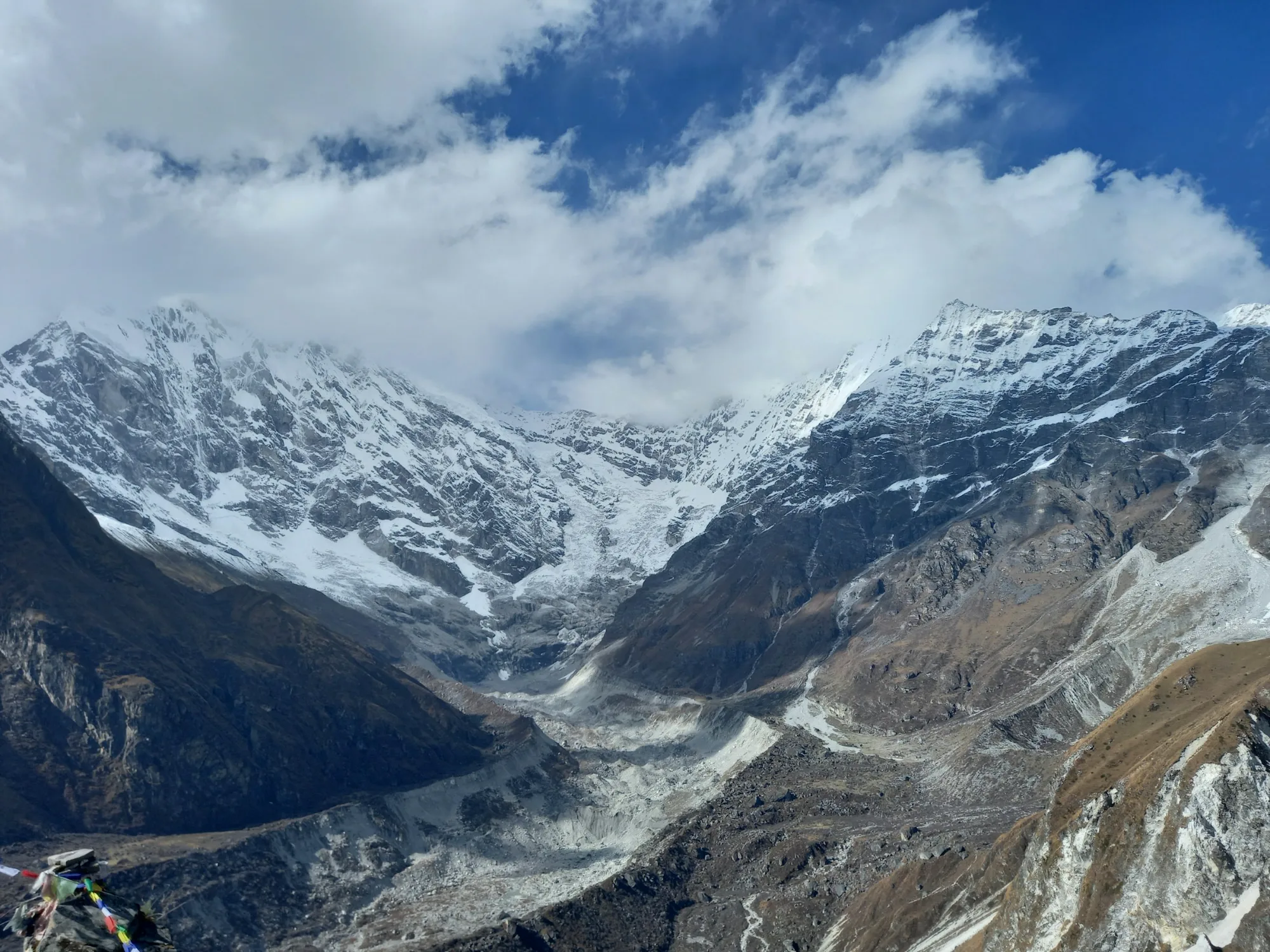
| Everest, Annapurna Sanctuary, Langtang | Cloud, rain, leeches lower down; mountain views rare | Not recommended as standard departures |
| Chitwan and the Terai | Hot, wet, high mosquito season; core park jeep safaris paused in 2026 | Only with clear expectations; buffer zone activities |
Rain-shadow regions: where monsoon trekking works
The big mountain ranges catch most of the monsoon cloud coming up from the south. North of them, in Mustang, Dolpo and the upper valleys of Manang and Nar Phu, the landscape is high desert and the trekking season effectively continues through the summer. This is the core of any honest monsoon trekking offer.
Upper Mustang
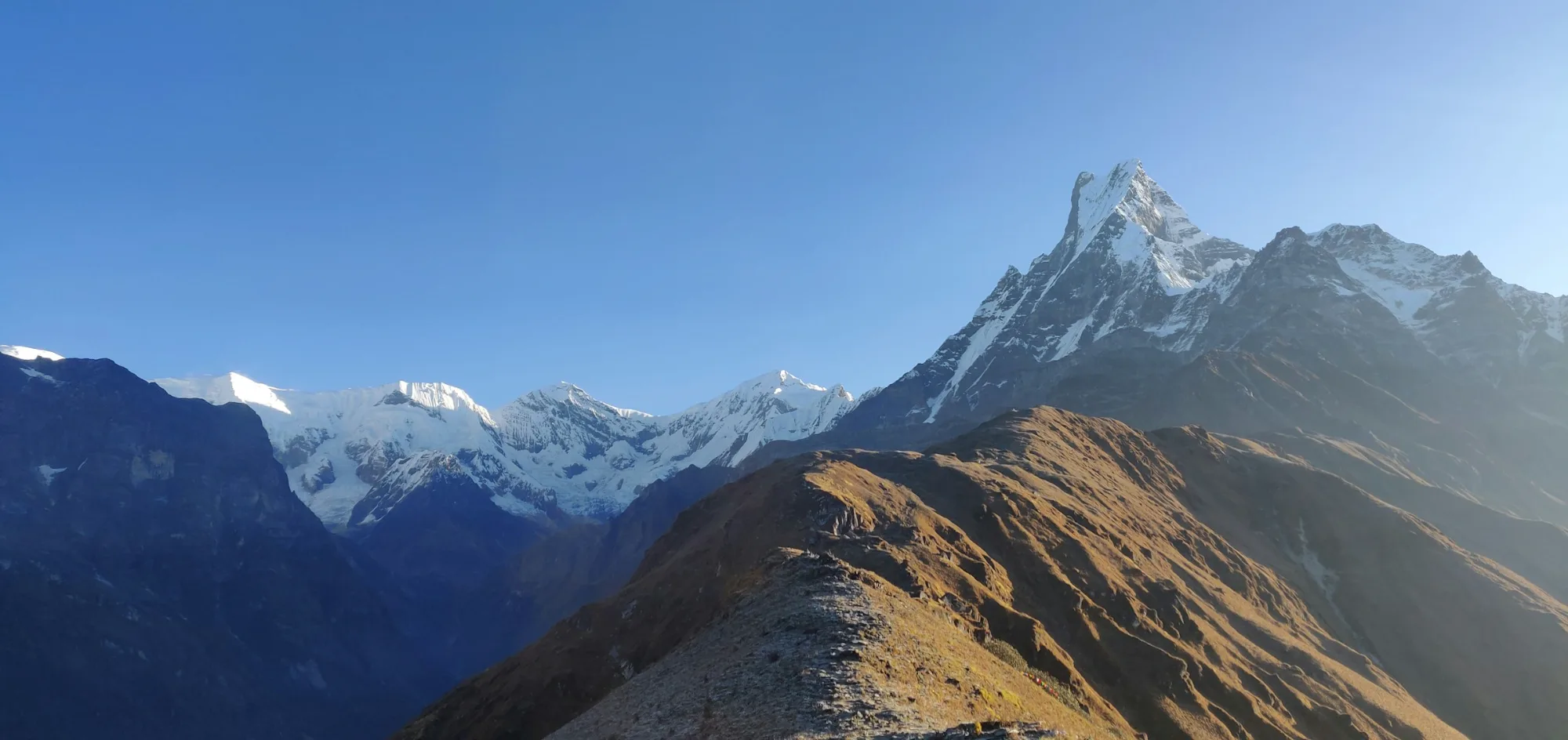
Upper Mustang is the best known rain-shadow trek and our first suggestion for a client who must travel in July or August. The walking is through eroded cliffs, cave settlements and walled villages up to Lo Manthang, and the skies are often clear when Pokhara is under cloud. Mustang also has its own summer festivals, which can add a cultural highlight if the dates line up; we confirm festival dates each year rather than promising them.
Upper Mustang is a restricted area. Under rules eased by the Department of Immigration in March 2026, solo foreign trekkers can now obtain restricted area permits, but every trekker must still travel through a registered trekking agency with a licensed guide, one guide can take up to seven trekkers, and the agency is responsible for rescue arrangements, as the Kathmandu Post reported. The Upper Mustang permit fee was changed from a flat ten-day charge to a daily rate in late 2025, and published sources do not yet agree on the current figure, so please confirm the current fee with us before quoting. Our restricted area permits guide explains how the permit process works.
Upper Dolpo, Nar Phu and upper Manang
Upper Dolpo is remote, wild and mostly arid in its upper reaches. It suits strong, experienced trekkers with three weeks or more and a budget for charter flights or long road approaches. Nar Phu, a restricted valley off the Annapurna Circuit, and the upper Manang valley are shorter options in the same rain-shadow belt. The catch for all three is the approach: you must travel up wet, landslide-prone valleys to reach the dry country, and those valleys are where most delays happen.
Also note that the rain shadow is not a rain-free zone. Afternoon showers, cloud on the passes and swollen rivers still occur, and heavy rain late in the season can still block the roads into Manang and Mustang.
Cultural and city trips in the monsoon
The Kathmandu Valley is the most reliable monsoon product in Nepal. Durbar squares, temples, stupas and museums stay open, the valley is green, and rain tends to come in bursts rather than all day. Groups simply need a programme that can switch between outdoor and indoor visits at short notice, covered transport between sites, and a guide who knows which courtyards drain well after a downpour.
The monsoon months also carry a run of festivals that most autumn visitors never see, including Janai Purnima, Gai Jatra and Teej, with Indra Jatra in the Kathmandu Valley towards the end of the season. Festival dates follow the lunar calendar and change every year, so check our Nepal festivals 2027 calendar and confirm with us before building a programme around a specific day.
Wellness and retreat stays around Kathmandu and Pokhara, cookery and craft workshops, and short heritage walks also sell well in the green season. They need no mountain views and they are easy to reschedule within a stay.
Chitwan in the monsoon
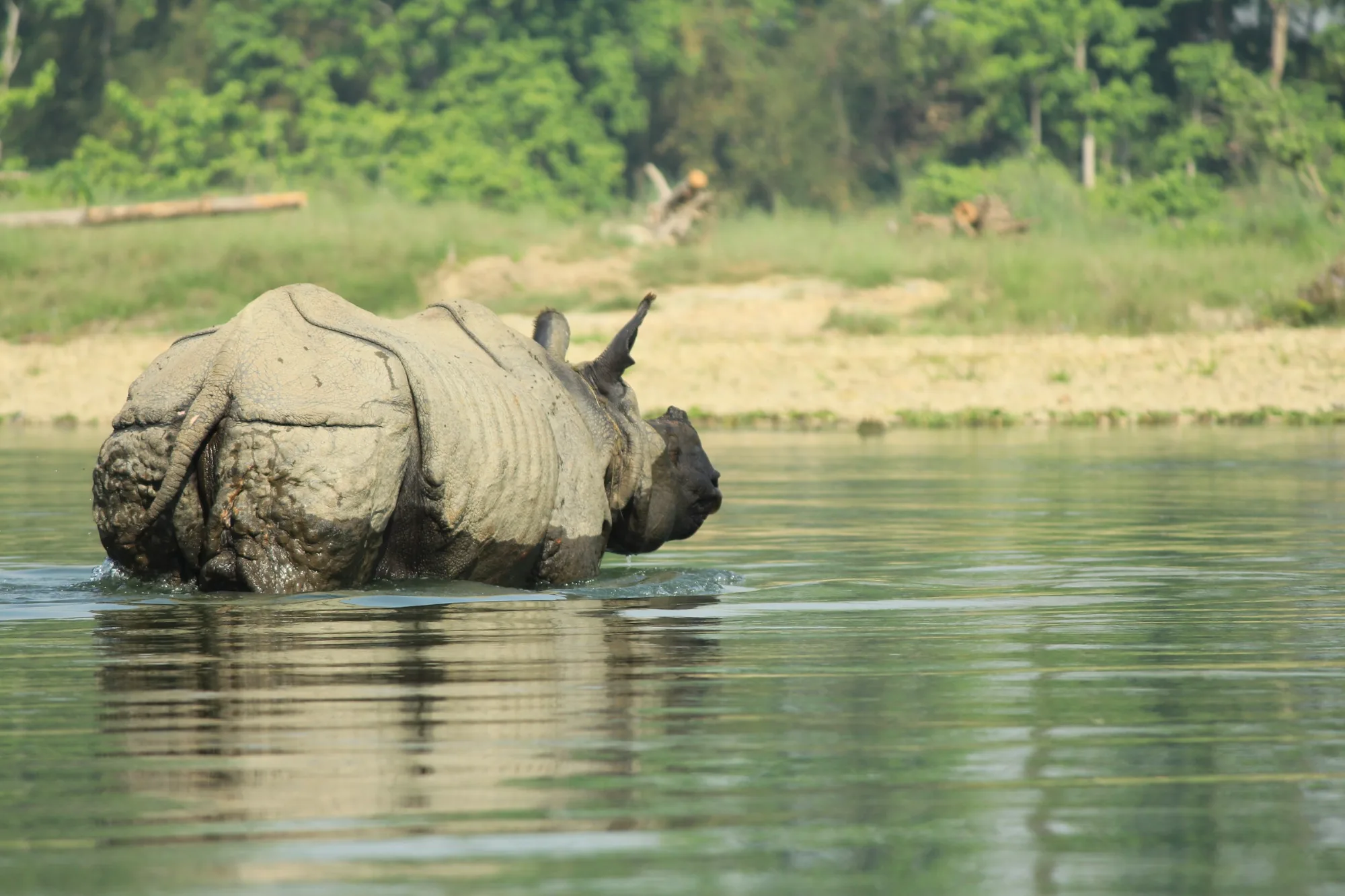
Chitwan is a case for clear expectations. In 2026 jeep safaris inside the core of Chitwan National Park were suspended from 1 July for the monsoon, while safaris in the buffer zone community forests continued, according to the Kathmandu Post; check the current arrangement with us before selling. Heat, humidity and mosquitoes are at their peak. If a client still wants Chitwan, sell it as a lodge stay with buffer zone activities and village visits, not as a safari, and read our guide to getting from Kathmandu to Chitwan before choosing road or air.
Monsoon risks to plan for
The monsoon risks are not mainly on the trail. They are on the roads, in the air and, in the lowlands, from mosquito-borne disease.
Roads and landslides
The UK Foreign, Commonwealth and Development Office warns that travel during the monsoon season, normally June to October, can be hazardous, and that flooding and landslides can make roads impassable or cut off towns and villages for days at a time (FCDO travel advice). The 2026 season bore that out on the main road links between Kathmandu, Pokhara and Chitwan: after landslides, the Chitwan District Administration Office banned vehicles on the Narayangadh to Mugling road from 8 pm, effective 28 July 2026 (eKantipur).
For group itineraries we therefore avoid long road transfers after dark, start drives early, and keep a spare half day around any transfer on the Prithvi Highway or the Mugling road.
Flights
Mountain flights are the second weak point. The FCDO notes that internal flights in high mountain areas can be delayed by poor weather and that cancellations are common. In the monsoon, flights that depend on visual conditions, such as those to Lukla or Jomsom, are the most exposed. Our domestic flights guide covers how to build buffers around them.
Health
The CDC's Yellow Book advises that travellers to Nepal should be counselled about dengue in the warmer, wetter months, and that Japanese encephalitis risk is greatest in the Terai during and immediately after the monsoon season (CDC Yellow Book, Nepal). Clients heading to Chitwan or other lowland areas should take travel health advice well before departure. On forest trails at lower and middle altitudes, leeches are a nuisance rather than a danger, and long socks, closed shoes and a quick check at rest stops deal with most of them.
Whatever the trip, clients need insurance that covers their planned activities and maximum altitude; our trekking insurance guide lists what to check.
Operator tip: For a monsoon Upper Mustang departure, plan the access leg as the risky part of the trip, not the trek. Quote a spare day each way between Pokhara and Jomsom, tell the client in writing that the road or flight may be delayed by weather, and agree in advance what happens to the itinerary if the first day is lost. Clients who expect a flexible start enjoy the dry trekking; clients who expected a fixed timetable do not.
How to sell the green season honestly
The monsoon is a niche, and it sells best when the client chooses it knowingly. In our experience the conversations that go well start with the trade-offs rather than the brochure.
- Lead with the right product. Rain-shadow treks, Kathmandu Valley culture, festivals and retreats. Do not sell Everest Base Camp or Annapurna Base Camp in July as if it were October.
- Explain the trade-off clearly. Fewer visitors, green landscapes, local festivals and easier hotel availability, against cloud, humidity and a real chance of transport delays.
- Write flexibility into the terms. State that road and flight delays caused by weather are part of travelling in the monsoon, and explain how spare days are used.
- Avoid promising views. On the south side of the Himalaya, describe mountain views as possible on clear mornings, not as a highlight.
June and late September deserve their own note. Depending on the year, they can feel like the edge of the main season or like full monsoon. Quote them as shoulder trips and check conditions with us close to departure.
For travel agents: how to package it
What to include
- A licensed guide for every trekking group, and for restricted areas a registered agency handling the permit, as the rules require.
- Covered, private transport for road transfers, with drives planned for daylight hours.
- A flexible Kathmandu Valley programme with indoor options for wet afternoons.
- Clear written information on weather, leeches, health precautions and insurance.
Buffers
- At least one spare day on any itinerary with a mountain flight or a long mountain road.
- A spare day each way for the Pokhara to Jomsom leg on Upper Mustang trips.
- International departures no earlier than two days after the planned end of a trek.
Who it suits
- Experienced trekkers who want Mustang or Dolpo when the south side is wet.
- Culture and festival travellers, photographers who like green landscapes and cloud light, and wellness travellers.
- Clients whose holidays fall in July and August and who accept a flexible programme.
Upsells
- Upgraded heritage hotels in the Kathmandu Valley for a stronger city stay.
- Festival days, cookery classes and craft workshops built into the programme.
- A helicopter option for clients short on time and willing to pay for it, subject to weather.
See our tours for valley and cultural programmes, and our winter trekking guide for the other quiet season.
If you would like monsoon net rates or help matching a client brief to a rain-shadow route, become a partner and our operations desk in Kathmandu will come back to you.
Frequently asked questions
Can you trek in Nepal in the monsoon?
Yes, but choose the route carefully. Rain-shadow areas such as Upper Mustang, Upper Dolpo and Nar Phu stay mostly dry, while south-side routes such as Everest and Annapurna Base Camp are cloudy, wet and prone to flight and road delays.
Which treks are best in July?
Upper Mustang is our first choice for July, followed by Nar Phu, upper Manang and, for experienced trekkers with time, Upper Dolpo. All need spare days for the access road or flight.
Is Upper Mustang good in the monsoon?
Yes. It lies in the rain shadow, and in 2025 Jomsom recorded the lowest June to September rainfall of any DHM station. The weak point is the road or flight from Pokhara, so build in buffer days.
Do Chitwan jungle safaris run in the monsoon?
In 2026 jeep safaris inside the core of Chitwan National Park were suspended from 1 July for the monsoon, while buffer zone community forest safaris continued. Check the current season's arrangement with us before selling.
Are domestic flights reliable in the monsoon?
Mountain flights such as Lukla and Jomsom are the most affected by cloud and rain, and delays and cancellations are common. Keep at least one spare day on any itinerary that depends on them.
Sources
- Department of Hydrology and Meteorology: Preliminary Precipitation and Temperature Summary, Monsoon Season (June to September 2025)
- The Kathmandu Post: Monsoon pulls out as forecast points to a drier Dashain (4 Oct 2026)
- The Himalayan Times: Monsoon withdraws from Nepal 12 days later than average
- The Kathmandu Post: Immigration eases rules for solo trekkers in restricted areas (22 Mar 2026)
- The Kathmandu Post: Jeep safari inside Chitwan National Park suspended for monsoon season (1 Jul 2026)
- eKantipur: Narayangadh to Mugling road to be closed at night after landslides (28 Jul 2026)
- UK FCDO: Nepal travel advice, safety and security
- CDC Yellow Book: Nepal