Nepal tourism rules 2026: a tracker of what changed in 2025 and 2026, and what is pending
The main changes are new climbing royalties from 1 September 2025 (USD 15,000 for Everest in spring), solo climbing banned on 8,000 m peaks, a daily Upper Mustang fee, and single trekkers allowed restricted area permits from March 2026. The Integrated Tourism Bill, which would add a 7,000 m prerequisite for Everest, has passed the upper house but is not yet law.
| Everest royalty, normal route | USD 15,000 spring, USD 7,500 autumn, USD 3,750 winter and summer, effective 1 September 2025Source: Department of Tourism, mountaineering fee (checked 6 Nov 2026) |
|---|---|
| 8,000 m peaks | Solo climbs banned; one guide for every two climbers (Sixth Amendment, February 2025)Source: The Kathmandu Post, 5 February 2025 |
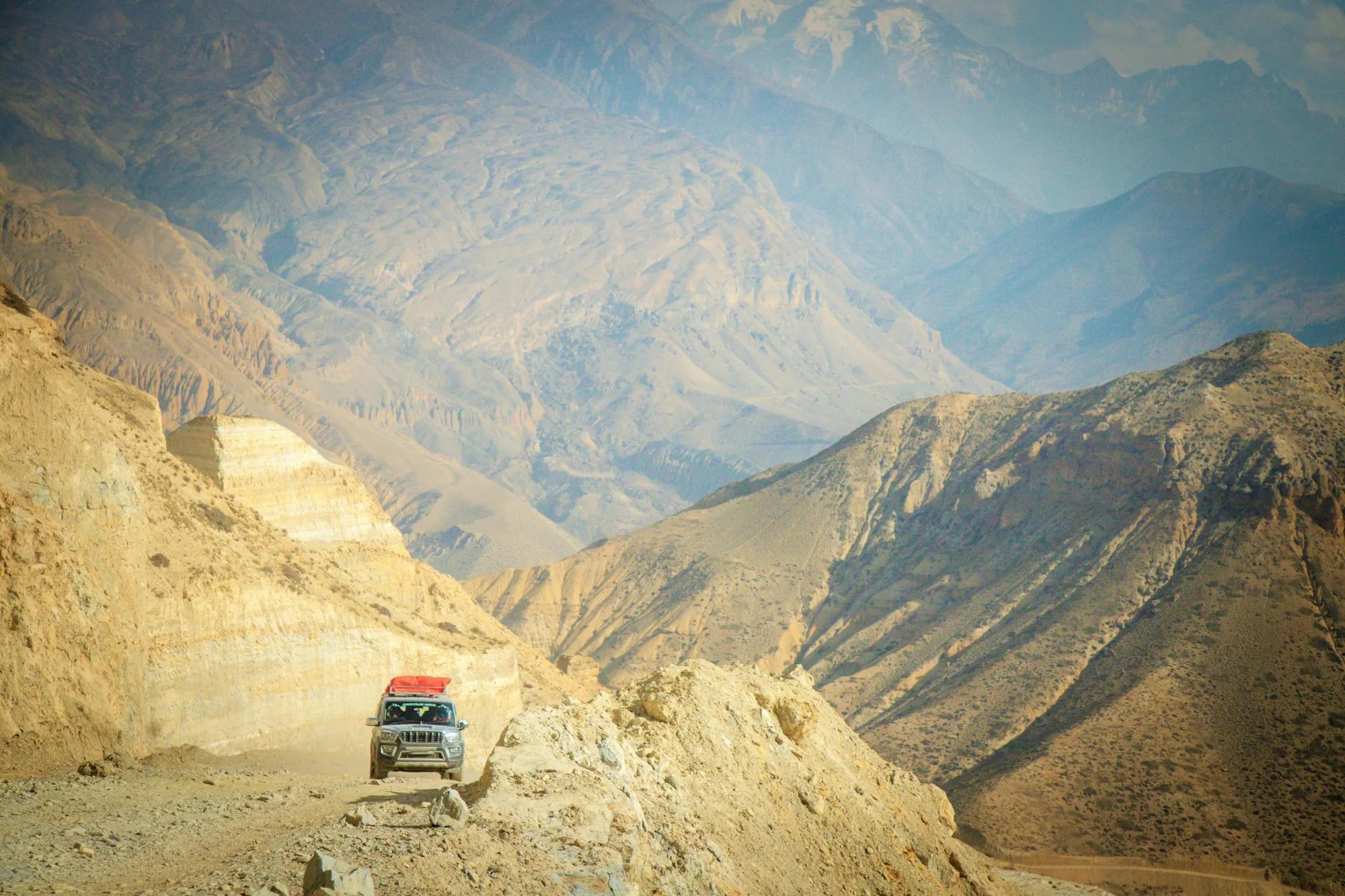
| Upper Mustang fee | USD 50 per person per day, replacing USD 500 for the first 10 days (Cabinet decision, November 2025)Source: The Kathmandu Post, 20 November 2025 |
| Solo restricted area permits | Department of Immigration decision of 22 March 2026: allowed with a registered agency and licensed guide; maximum seven trekkers per guideSource: The Kathmandu Post, 22 March 2026 |
| Everest garbage rule 2026 | At least 8 kg of garbage brought back per climber from above base camp; USD 600 Khumbu Icefall route feeSource: The Himalayan Times, 19 March 2026 |
| Integrated Tourism Bill | Endorsed by the National Assembly in February 2026; 263 amendments registered in committee in July 2026; not yet lawSource: The Kathmandu Post, 22 July 2026 |
Last checked: 6 November 2026. We update this tracker when a change is confirmed by an official notice or a reliable Nepali news report, and we add the date of each check.
Nepal's tourism rules change more often than those of most destinations, and the changes rarely arrive in one place. A royalty is revised in a regulation, a permit fee by a Cabinet decision, a solo-trekking rule by a department notice and a garbage rule by a local committee. Agents who quote from a supplier's old fact sheet or a two-year-old blog post end up promising clients something that is no longer true. This page logs the changes that affect foreign tourists, trekkers and climbers in 2025 and 2026, with the date, the status and the source for each, plus the proposals that are still in Parliament.
How to use this tracker
Each entry has one of three statuses:
- In force: the rule applies now and we operate to it.
- Pending: the change is in a bill or proposal that has not become law.
- Context: an older rule that still applies and explains a newer one.
Use the tables to check whether something a client has read is still current, then follow the link to our detailed guide on that topic. Fees are government or official committee charges, not prices for our trips. Confirm any fee with us before you quote it as a separate line, because the figures on this page are only as current as the last-checked date above.
2026 changes
| Date | Change | Who it affects | Status |
|---|---|---|---|
| February 2026 | The National Assembly (upper house) endorses the Integrated Tourism Bill, including tougher Everest rules. See the pending section below. | All operators, climbers | Pending |
| 18 March 2026 | The Sagarmatha Pollution Control Committee issues its 2026 rules: a USD 600 per person fee for using the Khumbu Icefall route (Everest, Lhotse and Nuptse), at least 8 kg of garbage brought back per climber from above base camp, and committee-issued poop bags compulsory above base camp. | Everest, Lhotse and Nuptse expeditions | In force for the 2026 season |
| 22 March 2026 | The Department of Immigration allows a single foreign trekker to obtain a restricted area permit. Previously permits went only to groups of two or more. A registered agency and a licensed guide are still required, and one guide may lead no more than seven trekkers. | Trekkers in restricted areas such as Upper Mustang, Manaslu, Nar and Phu, Upper Dolpo | In force |
The Everest rules matter mostly to expedition operators: failing to meet them can lead to the Garbage Clearance Letter being refused, which an expedition needs before it can close its file. The restricted area change matters to every agent with solo clients. Before March 2026 a solo traveller who wanted Upper Mustang or Manaslu had to be paired with a second trekker on the permit; now the permit can be issued for one person, still with a guide. Our restricted area permits guide sets out the fees and process, and our article on Nepal's mandatory trekking guide rule explains why the guide requirement did not change.
Helicopter rescue practice has also been under close scrutiny. That is about enforcing existing rules rather than a new rule for tourists; our guide to how helicopter rescue works in Nepal covers what operators and insurers should check.
2025 changes
| Date | Change | Who it affects | Status |
|---|---|---|---|
| February 2025 | The Sixth Amendment to the mountaineering regulations takes effect: solo climbs banned on peaks above 8,000 m, one guide for every two climbers on those peaks, at least one guide per group on other mountains, and Everest climbers required to bring their waste, including human waste, back to base camp. | Expedition operators and climbers | In force |
| August 2025 (reported) | The Cabinet approves waiving the climbing royalty for two years on 97 peaks: 77 in Karnali Province and 20 in Sudurpashchim Province. | Climbers on remote western peaks | In force for the two-year period |
| 1 September 2025 | New royalties take effect. For a foreign climber on the Everest normal route: USD 15,000 in spring, USD 7,500 in autumn and USD 3,750 in winter and summer. The same notice sets new rates for other peaks. | Everest and other expeditions | In force |
| November 2025 | The Cabinet decides to replace the Upper Mustang restricted area fee of USD 500 for the first 10 days with USD 50 per person per day, by amending the Immigration Rules. | Upper Mustang trekkers | Decided by Cabinet; confirm the current fee with us before quoting |
The royalty change is the one most often quoted wrongly. Many websites still show the old Everest figure, and a quote built on it leaves the agent to absorb a large difference. Our article on the Everest climbing permit and royalty explains the full fee table, the garbage deposit and how the guide ratio affects team size, and our mountaineering in Nepal guide covers the wider permit system for 6,000 m to 8,000 m peaks.
The Upper Mustang change works in the client's favour on shorter itineraries, because the fee follows the number of days spent in the area. Check older fee tables carefully: some still show the flat 10-day charge. Our restricted area permits guide shows the fee table as we last checked it.
Older rules that still apply
One rule from before 2025 explains several of the changes above: the requirement, introduced in 2023, for trekkers on listed routes to be accompanied by a licensed guide and to carry an agency-issued TIMS card. Our TIMS card guide covers the current rules, the fee and the regions it applies to.
Pending: the Integrated Tourism Bill and other proposals
The biggest change on the horizon is the Integrated Tourism Bill, which would replace much of Nepal's existing tourism law. Its progress so far:
- February 2026: the bill is tabled in the National Assembly on 9 February and endorsed unanimously. The version passed would issue an Everest permit only to climbers who have already summited a Nepali peak above 7,000 m, require a recent health certificate for every team member, make agencies buy accident, medical and rescue insurance for the whole team, make agencies responsible for search and rescue, and turn the refundable Everest garbage deposit into a non-refundable fee.
- July 2026: the bill is in parliamentary committee for clause-by-clause scrutiny. Fifty-eight lawmakers register 263 amendments. Proposals include requiring one 7,000 m and two 8,000 m summits in Nepal before Everest, auctioning permits, limiting expedition sales to Nepali-registered agencies, higher insurance minimums and government approval for drones and helicopters above 6,000 m.
- Now: as of our last check we have found no report that the House of Representatives has passed the bill. It must still pass the lower house, return to the National Assembly and be authenticated by the President before it becomes law.
None of these provisions applies today. Do not change client contracts or climbing prerequisites on the strength of a proposal. What is worth doing now is telling Everest clients that a prior 7,000 m summit may become a requirement for future seasons, so that their training plan does not depend on the current rules staying as they are.
Operator tip: When a client sends you a news story about a "new rule", check three things before you react: who issued it (a ministry, a department, a local committee or a bill in Parliament), the date it takes effect, and whether it is in force or only proposed. Most of the alarming headlines we are asked about turn out to be proposals that may change or never pass.
Where official notices are published
| Topic | Where it is published |
|---|---|
| Climbing royalties, mountaineering rules and expedition notices | Department of Tourism (tourismdepartment.gov.np) |
| Tourist visas and restricted area permits | Department of Immigration (immigration.gov.np), with fee tables repeated by the Nepal Tourism Board |
| TIMS card and the licensed guide rule | Nepal Tourism Board (ntb.gov.np) |
| Conservation area permits (Annapurna, Manaslu) | National Trust for Nature Conservation e-permit system |
| National park entry fees | Department of National Parks and Wildlife Conservation |
| Everest garbage and Icefall rules | Sagarmatha Pollution Control Committee, reported by the national press |
| Acts, regulations and amendments | Nepal Gazette and the Nepal Law Commission |
Official sites are often slow to update and some publish only in Nepali, so we also follow The Kathmandu Post and The Himalayan Times, which report most decisions within a day or two. Visa rules are covered separately in our Nepal visa on arrival briefing, and our permits and visas page brings the main documents together.
For travel agents: how to package it
What to include
- A "rules checked on" date in every quote for treks and expeditions, with permit fees shown as government charges at the rate on the date of travel.
- A licensed guide on every trek where the rules require one, and the guide ratio written into expedition quotes.
- For Everest teams, the garbage and Icefall requirements in the expedition conditions, so climbers know what is expected before they arrive.
Buffers
- Allow for fee changes between booking and travel on long-lead bookings, especially for expeditions and restricted areas.
- Keep a spare day in restricted-area itineraries; permit processing can be delayed and remote routes depend on the weather.
Who it suits and upsells
- The 2026 solo permit change opens Upper Mustang, Manaslu and Nar and Phu to solo clients who were previously told to find a partner.
- The royalty waiver on 97 western peaks suits experienced climbers looking for remote, quiet objectives; ask us which peaks we can support logistically.
- For Everest aspirants, a 7,000 m peak in an earlier season is good preparation whatever happens to the bill.
Want rule changes flagged before they reach your clients? Become a partner and our operations desk will confirm the current rules and fees with every quote.
Frequently asked questions
Has Nepal changed trekking rules in 2026?
Yes. Under a Department of Immigration decision of 22 March 2026, a single foreign trekker can obtain a restricted area permit, which was previously issued only to groups of two or more. A registered agency and a licensed guide are still required.
What is the new Nepal tourism bill?
The Integrated Tourism Bill would replace much of Nepal's tourism law and, in the version passed by the National Assembly, require a prior summit above 7,000 m in Nepal before an Everest permit. It is still in Parliament and is not yet law.
How much is the Everest permit now?
The Department of Tourism lists USD 15,000 per foreign climber on the normal route in spring, effective from 1 September 2025, with lower rates in other seasons. Confirm the current figure with us before quoting.
Can people climb Everest solo in Nepal?
No. Since the Sixth Amendment to the mountaineering regulations in February 2025, solo climbs are banned on peaks above 8,000 m and one guide is required for every two climbers.
Where are Nepal tourism rules published?
Climbing rules and royalties are published by the Department of Tourism, visas and restricted area permits by the Department of Immigration, and TIMS rules by the Nepal Tourism Board. Laws and amendments appear in the Nepal Gazette.
Sources
- Department of Tourism: Mountaineering fee (effective 1 September 2025)
- The Kathmandu Post: Nepal bans solo expeditions on Everest and other 8000ers (5 February 2025)
- Radio Nepal: Royalty waived for 97 peaks (22 August 2025)
- The Kathmandu Post: Nepal scraps $500 Upper Mustang trekking fee for foreigners, sets $50 daily (20 November 2025)
- The Kathmandu Post: Upper house passes tourism bill with tougher Everest rules (14 February 2026)
- The Himalayan Times: SPCC rules for Everest 2026 (19 March 2026)
- The Kathmandu Post: Immigration eases rules for solo trekkers in restricted areas (22 March 2026)
- The Kathmandu Post: Lawmakers seek tougher Everest climbing rules with 263 amendments to tourism bill (22 July 2026)