Manaslu Circuit trek: what agents need to know before selling it
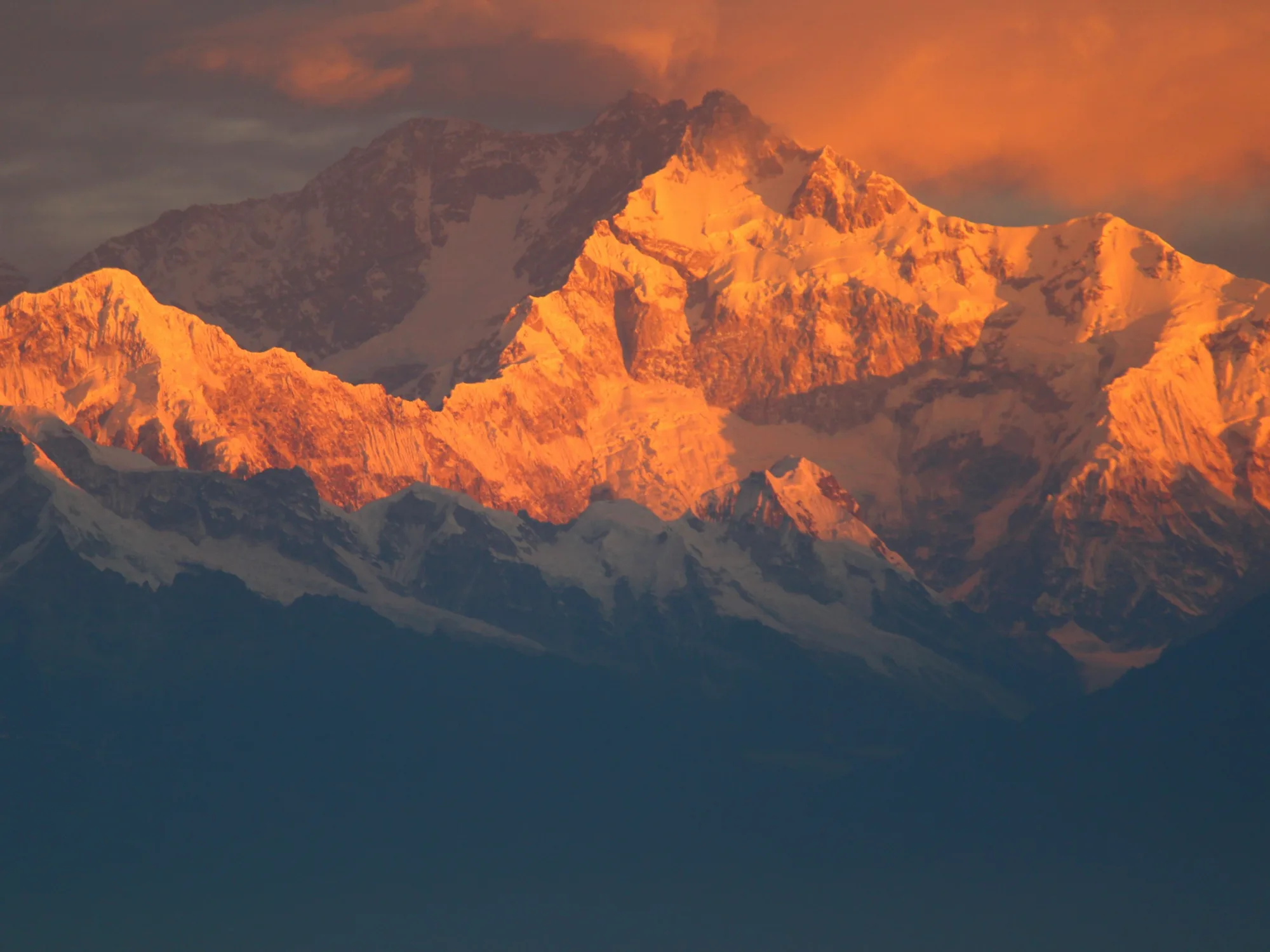
The Manaslu Circuit is a 14 to 16 day restricted area trek around the world's eighth highest mountain, crossing the Larkya La at 5,106 m (MCAP figure). It suits fit clients who want a quieter alternative to the Annapurna Circuit, and it needs a restricted area permit issued through a registered agency, a licensed guide, two conservation area permits and buffer days for weather and road disruption.
| Larkya La height | 5,106 m (MCAP); some sources give 5,160 mSource: NTNC Manaslu Conservation Area leaflet (checked 18 Nov 2026) |
|---|---|
| Restricted area permit, Sep to Nov | USD 100 per person for the first week, then USD 15 per daySource: Department of Tourism (checked 18 Nov 2026) |
| Restricted area permit, Dec to Aug | USD 75 per person for the first week, then USD 10 per daySource: Department of Tourism (checked 18 Nov 2026) |
| MCAP and ACAP entry | NPR 3,000 each for foreigners, NPR 1,000 for SAARC nationals, tax includedSource: NTNC e-permit (checked 18 Nov 2026) |
| Solo trekkers | Allowed since March 2026 through a registered agency with a licensed guide; maximum seven trekkers per guideSource: The Himalayan Times, 23 March 2026 (checked 18 Nov 2026) |
| Foreign visitors, FY 2024/25 | 12,512, a record, up from 9,783 the year beforeSource: The Himalayan Times, July 2025, citing MCAP (checked 18 Nov 2026) |
The Manaslu Circuit trek has moved from a niche restricted area route to one of the treks overseas agents ask us about most. It loops around Manaslu through the Budhi Gandaki valley and the Tibetan influenced villages of Nubri, crosses the Larkya La and comes out on the Annapurna side. For clients it offers what the Annapurna Circuit offered before roads reached most of it: a long valley walk, a high pass and comparatively few people. For agents it brings more paperwork, more weather and access risk, and a narrower client profile. This briefing covers what to know before you put it in a brochure.
Manaslu Circuit in brief
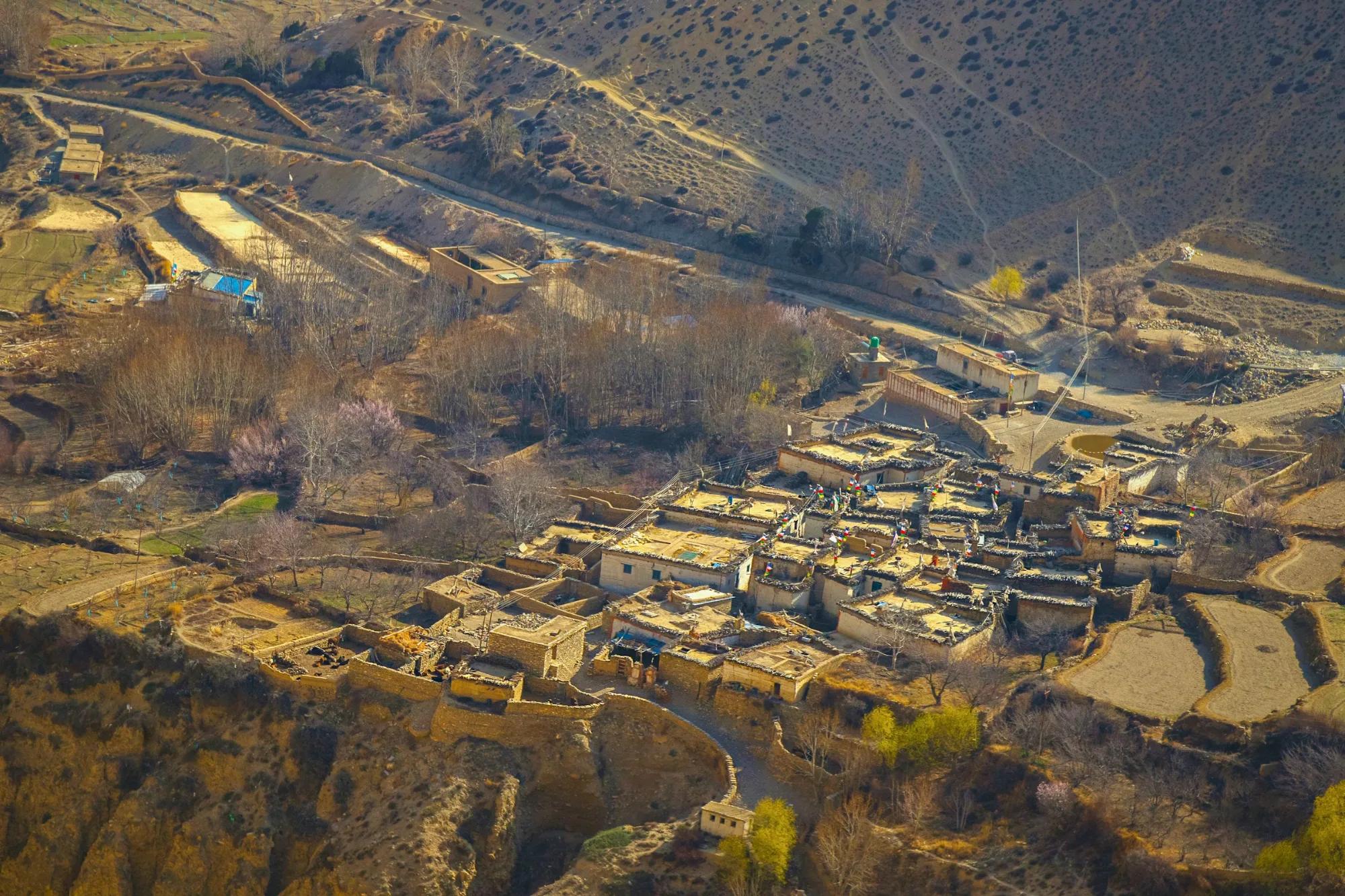
The route starts in the lower Budhi Gandaki valley in Gorkha district, follows the river north through gorges and terraced villages, climbs into the Nubri valley to Samagaun, crosses the Larkya La and descends through Bimthang to join the Annapurna Circuit near Dharapani in Manang district. Much of it lies inside the Manaslu Conservation Area, managed by the National Trust for Nature Conservation (NTNC) through the Manaslu Conservation Area Project (MCAP).
| Item | Planning detail |
|---|---|
| Highest point | Larkya La, 5,106 m in the MCAP leaflet; some sources give 5,160 m |
| Main acclimatisation village | Samagaun, 3,530 m (NTNC) |
| Last night before the pass | Dharamsala, also called Larke Phedi, about 4,460 m |
| First village after the pass | Bimthang, about 3,700 m |
| Usual start | Soti Khola or Machha Khola by road from Kathmandu, a drive of about 8 to 9 hours |
| Usual finish | Dharapani on the Annapurna Circuit, then road to Besisahar and on to Kathmandu or Pokhara |
| Permit type | Restricted area permit plus two conservation area permits |
| Our programme length | 14 to 16 days on the circuit; 18 to 21 days combined with Tsum Valley |
Altitudes vary between sources. We quote the NTNC and MCAP figures where they exist, because MCAP is the local authority, and show the alternative in client documents so nobody is surprised by a different number on a signpost.
Demand is growing. The Himalayan Times reported in July 2025 that MCAP recorded 12,512 foreign visitors in the 2024/25 fiscal year (mid July 2024 to mid July 2025), an all time high, up from 9,783 the year before. That is still a fraction of Annapurna or Everest traffic, which is part of the appeal, but in our experience lodges in the upper villages do fill in October.
Who it suits and who it does not
The Manaslu Circuit is a good product for the right client and a poor one for the wrong client. We screen for these points before confirming.
Good fit
- Clients who have done one teahouse trek in Nepal, such as Everest Base Camp or Annapurna Base Camp, and want something quieter and more remote.
- Fit walkers comfortable with six to eight hour days for most of two weeks, and a long pass day that starts before dawn.
- Clients interested in culture: the upper valley is Buddhist, with gompas, mani walls and villages that still feel remote from the road.
- Small private groups who value a guide who stays with them throughout, which the permit rules require anyway.
Poor fit
- First time trekkers with no experience of altitude or long days on rough trail.
- Clients with fixed onward flights and no flexibility. The road in, the pass and the road out can each cost a day.
- Clients expecting the lodge standard of the Everest region. Lodges are simpler, especially below Samagaun and at Dharamsala.
- Very large groups in October, when bed space in the upper villages is tight.
Best months
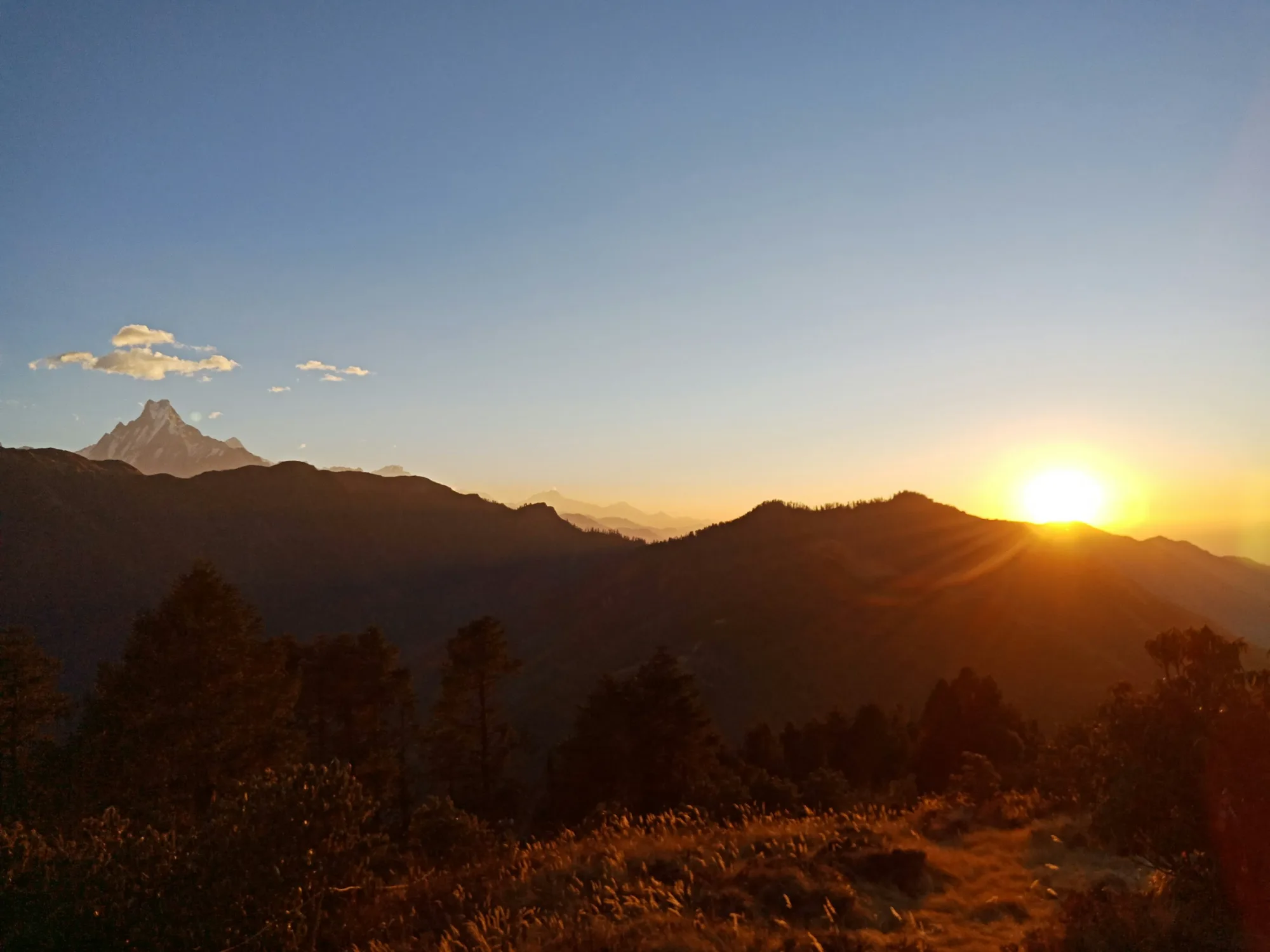
The two main seasons are the same as for most high treks in Nepal: autumn, from late September to November, and spring, from March to May. The restricted area permit itself reflects this, with a higher fee from September to November.
| Period | What to expect | Our view |
|---|---|---|
| March to May | Warmer days, more haze later in the season, snow possible on the pass in March | Good, with April the most reliable month |
| June to early September | Monsoon rain, landslides and leeches in the lower valley, flooding risk on the Budhi Gandaki | Not recommended for groups |
| Late September to November | Clearest views and busiest lodges; early season storms can still close the pass | Best overall, book early |
| December to February | Cold nights, snow on the Larkya La, some upper lodges closed | Only for experienced private groups with flexible dates |
Autumn 2026 showed why buffers matter. Floods on the Budhi Gandaki in October damaged the lower valley route, and the Kathmandu Post reported on 25 October 2026 that tourism had resumed, with vehicles reaching Khorlabesi and trekkers walking on to Jagat, while the Tsum Valley trail was still blocked at that point by a lost bridge. For month by month conditions across regions, see our Nepal weather by month guide.
Permits and rules
Manaslu is a restricted area, so the paperwork is heavier than on Everest or Annapurna. Only a registered trekking agency can apply for the restricted area permit on the client's behalf. All fees below were checked on official pages on 18 November 2026.
| Permit | Fee for foreign nationals | Source |
|---|---|---|
| Manaslu restricted area permit, September to November | USD 100 per person for the first week, then USD 15 per person per day | Department of Tourism trekking routes table |
| Manaslu restricted area permit, December to August | USD 75 per person for the first week, then USD 10 per person per day | Department of Tourism trekking routes table |
| Tsum Valley restricted area permit, September to November | USD 40 per person for the first week, then USD 7 per person per day | Department of Tourism trekking routes table |
| Tsum Valley restricted area permit, December to August | USD 30 per person for the first week, then USD 7 per person per day | Department of Tourism trekking routes table |
| Manaslu Conservation Area (MCAP) entry | NPR 3,000 (NPR 1,000 for SAARC nationals), tax included | NTNC e-permit |
| Annapurna Conservation Area (ACAP) entry, for the exit via Dharapani | NPR 3,000 (NPR 1,000 for SAARC nationals), tax included | NTNC e-permit |
Sources: the Department of Tourism restricted area fee table and the NTNC entry permit page, which also notes that conservation area fees are doubled if bought at a check post rather than in advance.
Guide, group size and solo trekkers
Until March 2026, restricted area permits were in practice issued only to groups of two or more. Under rules reported by The Himalayan Times on 23 March 2026, a single trekker can now obtain a permit, provided the application goes through a registered agency and the trekker walks with a licensed guide. A guide can lead no more than seven trekkers, and the agency is responsible for emergency rescue arrangements. Permits are now applied for online. This change matters for agents selling to solo travellers: a private Manaslu departure for one client is now possible, but the guide and agency costs fall on one person.
The Nepal Tourism Board TIMS card page also lists the Manaslu routes among those where a licensed guide and an agency issued TIMS card are required. We confirm the exact permit set for each booking when we apply. Our restricted area permits guide covers the other restricted regions, and our full list of Nepal trekking permits puts Manaslu in context with the rest of the country.
Logistics and risks
Getting in and out
Most groups now drive from Kathmandu to Soti Khola or Machha Khola, which Onlinekhabar puts at about 8 to 9 hours; starting at Arughat Bazaar adds a day. The road is rough and seasonal. After the October 2026 floods, the usable road end moved further up the valley as repairs progressed, so the exact start point for a given departure is something we confirm a week or two before arrival rather than at the time of booking.
The exit is easier. From Bimthang the trail descends to Dharapani, inside the Annapurna Conservation Area, and vehicles run down the Marsyangdi valley to Besisahar. From there it is a road transfer to Kathmandu or Pokhara.
Altitude
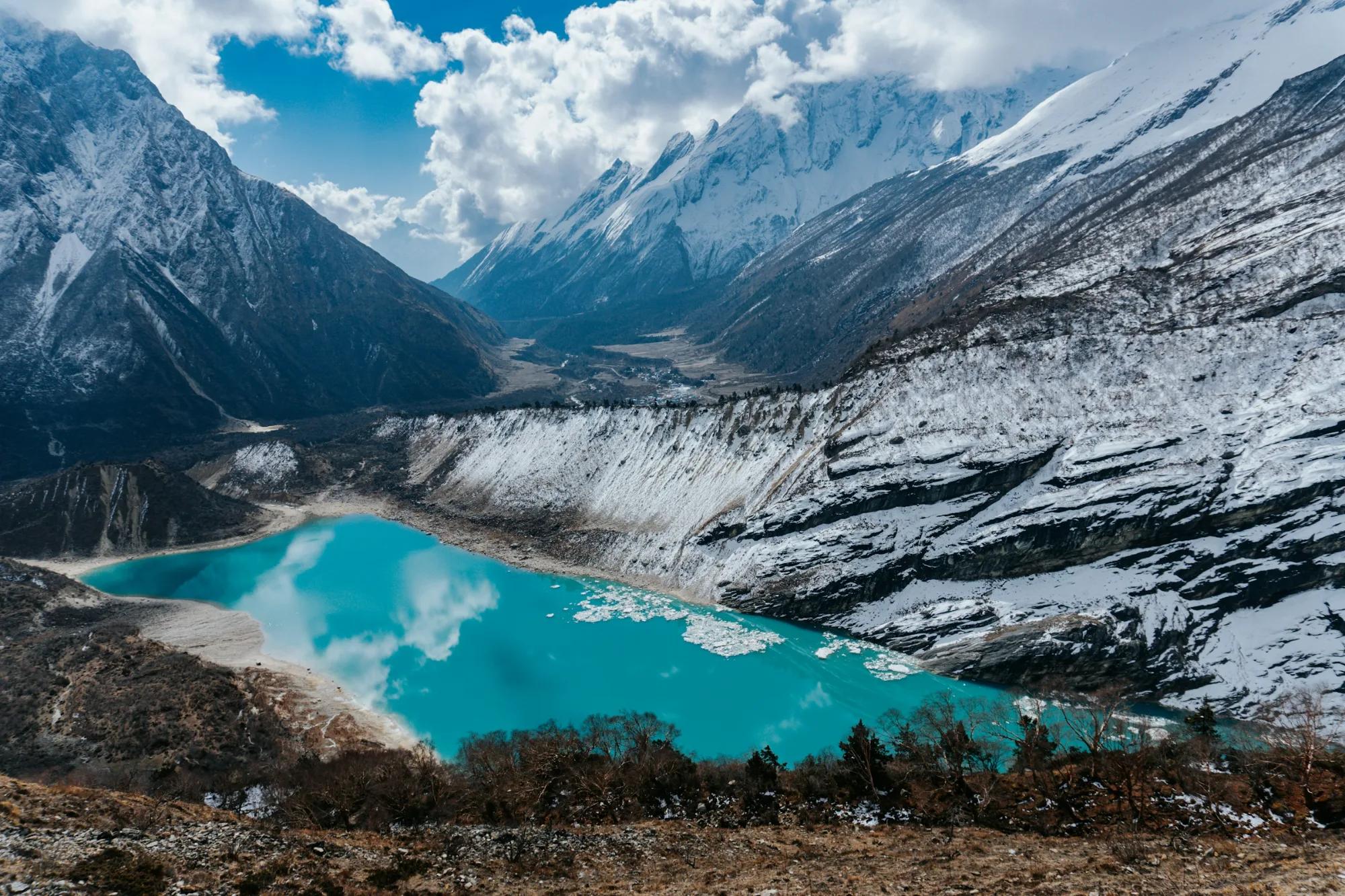
The main altitude exposure comes from Samagaun upwards. A sound itinerary includes a rest and acclimatisation day at Samagaun, with a day hike towards Manaslu Base Camp or Birendra Tal, and a further night at Samdo before Dharamsala. The pass day itself is long: an early start from Dharamsala, a climb to the Larkya La and a steep descent to Bimthang. Our article on designing trek itineraries around altitude sickness sets out the sleeping altitude gains we work to.
Weather, rescue and insurance
- Snow can close the Larkya La for one or more days in any season. A group waiting at Samdo or Dharamsala needs spare days, not a forced crossing.
- The lower valley is vulnerable to landslides and floods in and just after the monsoon, as autumn 2026 showed.
- Helicopter evacuation is the realistic rescue route from the upper valley, so clients need insurance that covers it to at least 5,200 m. See our trekking insurance requirements.
Operator tip: Build two spare days into every Manaslu itinerary and sell them as part of the trip, not as an optional extra. One covers the road or a landslide on the way in; the other covers the Larkya La. If they are not needed, the group finishes early in Pokhara or Kathmandu, which clients rarely complain about.
Combining with Tsum Valley
Tsum Valley branches north from the Budhi Gandaki near Lokpa and is a separate restricted area with its own permit. It is a cul de sac, so groups walk in and back out the same way before continuing on the circuit. Our combined programme runs 18 to 21 days.
- Why add it: Tsum is quieter still, culturally rich and lower than the Larkya La, so it adds acclimatisation before the pass.
- What it costs the client in time: roughly four to five days extra, plus a second restricted area permit.
- Risk: it relies on the same lower valley access, and in October 2026 the Tsum trail reopened later than the main circuit after a bridge was lost.
For clients who want a summit rather than a valley, the same area is also the approach to Manaslu itself; see our Manaslu expedition guide for operators.
For travel agents: how to package it
What to include
- The Manaslu restricted area permit (and Tsum if added), MCAP and ACAP entry, each shown as a government fee rather than buried in a package price.
- A licensed trekking guide for the whole route, plus porters. Our guide to the mandatory guide rule explains what clients can and cannot do independently.
- Road transfers in and out, with the start point confirmed shortly before departure.
- Teahouse accommodation on the trek and hotel nights in Kathmandu either side.
- A clear insurance requirement in your booking conditions, including helicopter evacuation.
Buffers
- One acclimatisation day at Samagaun, one weather day for the pass and one spare day at the end for road delays.
- Do not book non refundable international flights for the day after the planned finish.
Upsells
- Tsum Valley as an extension for culture focused clients.
- A few days in Pokhara after the trek, which is closer than Kathmandu from the Dharapani exit.
- Guides in the client's language on request with advance notice.
If a client is undecided between Manaslu and the more developed treks, our trekking programmes include the Annapurna and Everest alternatives with the same operating standards.
We are licensed by the Government of Nepal for travel, tour, trekking and mountaineering, we are an NMA member and a TAAN member, and run our own guides and transport for groups from FIT to large parties. To add the Manaslu Circuit to your programme, talk to us about a partnership.
Frequently asked questions
Is the Manaslu Circuit restricted?
Yes. It is a restricted area, so the permit must be applied for by a registered trekking agency and trekkers must walk with a licensed guide. Since March 2026 a single trekker can obtain the permit on those terms.
How many days is the Manaslu Circuit?
Our programme runs 14 to 16 days, including the drive in and out, an acclimatisation day at Samagaun and spare days for weather. Adding Tsum Valley takes it to 18 to 21 days.
Is Manaslu harder than the Annapurna Circuit?
The pass is slightly lower than the Thorong La, but Manaslu has longer remote stretches, simpler lodges and more exposure to road and weather disruption, so we treat it as the more demanding product to operate.
When is the best time for the Manaslu Circuit?
Late September to November gives the clearest weather, and April is the most reliable spring month. Monsoon and midwinter are not recommended for groups.
Can solo travellers do the Manaslu Circuit?
Yes, since March 2026, provided they book through a registered agency and walk with a licensed guide. The guide and agency costs are then carried by one person.
Sources
- Department of Tourism: trekking routes and restricted area fees
- National Trust for Nature Conservation: entry permit support
- NTNC: Manaslu Conservation Area, Birendra Tal leaflet
- The Himalayan Times: Solo trekkers allowed in restricted areas with new permit rules (23 March 2026)
- Nepal Tourism Board: TIMS card
- The Kathmandu Post: Tourism resumes in Manaslu after Budhi Gandaki floods (25 October 2026)
- Onlinekhabar English: Manaslu trekking, a pure Himalayan trail beyond the crowds (June 2026)
- The Himalayan Times: Manaslu region records all time high in foreign tourist arrivals (July 2025)