Nepal itinerary templates for agents: 7, 10 and 14 days
A good Nepal itinerary combines the Kathmandu Valley, Chitwan and Pokhara in 7 days, adds the Ghorepani Poon Hill trek in 10 days, and fits a trek and a proper safari into 14 days. The keys are two nights in Chitwan, a spare day in Pokhara after any trek, and a short flight rather than a road day before the international departure.
| Kathmandu Valley World Heritage Site | Seven monument zones: Kathmandu, Patan and Bhaktapur Durbar Squares, Swayambhu, Bauddhanath, Pashupati, Changu NarayanSource: UNESCO World Heritage Centre (checked 19 Nov 2026) |
|---|---|
| Kathmandu to Pokhara flight | About 25 minutesSource: Buddha Air (checked 19 Nov 2026) |
| Kathmandu to Bharatpur flight | About 25 minutes, then about 30 minutes by road to Chitwan National ParkSource: Buddha Air (checked 19 Nov 2026) |
| Chitwan National Park entry | NPR 2,000 foreigners, NPR 1,000 SAARC nationals, per personSource: Chitwan National Park office (checked 19 Nov 2026) |
| Poon Hill | 3,210 mSource: Nepal Tourism Board (checked 19 Nov 2026) |
| ACAP entry permit | NPR 3,000 foreigners, NPR 1,000 SAARC nationals, tax includedSource: NTNC e-permit (checked 19 Nov 2026) |
| TIMS card and guide rule | NPR 2,000 (NPR 1,000 SAARC); licensed guide required on listed routes since 31 March 2023Source: Nepal Tourism Board (checked 19 Nov 2026) |
Most Nepal programmes that agents sell are built from the same four blocks: the Kathmandu Valley, Pokhara, Chitwan and a short trek in the Annapurna foothills. The skill is not in picking the places but in the order, the transfer days and the buffers. This article gives three templates we use as starting points, at 7, 10 and 14 days, with the logic behind each day and the mistakes we see most often in itineraries sent to us. Travel times and fees were checked on 19 November 2026.
How to build a Nepal itinerary
Start from three fixed points: the international arrival and departure in Kathmandu, the season, and the client's appetite for walking. Everything else follows from those.
The building blocks
| Block | Minimum time | What it gives the client | Notes |
|---|---|---|---|
| Kathmandu Valley | 2 full days | Durbar squares, stupas, Pashupati, Bhaktapur and Patan | The valley World Heritage Site is made up of seven monument zones |
| Nagarkot or Dhulikhel | 1 night | Himalayan sunrise on clear days, a short ridge walk | Easy add on from Bhaktapur |
| Pokhara | 2 nights | Lakeside, Sarangkot sunrise, boating, a base for treks | Flight of about 25 minutes or a full day by road |
| Chitwan | 2 nights | Jeep or walking safari, canoe trip, Tharu village | One night is too short to see much wildlife |
| Short trek | 4 to 5 days | Ghorepani Poon Hill, villages and a mountain sunrise | Licensed guide and permits required |
| Lumbini | 1 to 2 nights | Birthplace of the Buddha and monastic zone | Works for pilgrimage and repeat clients |
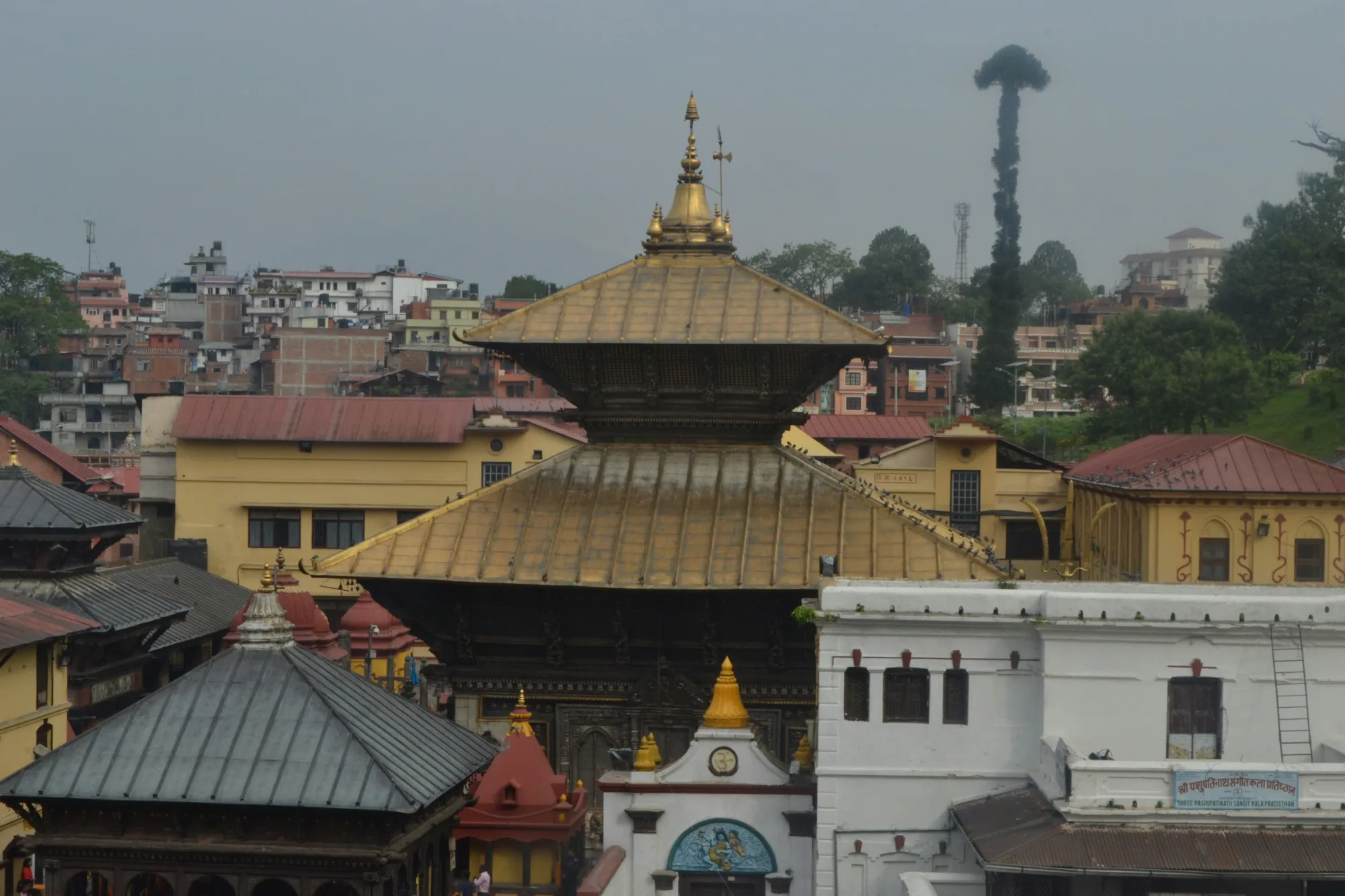
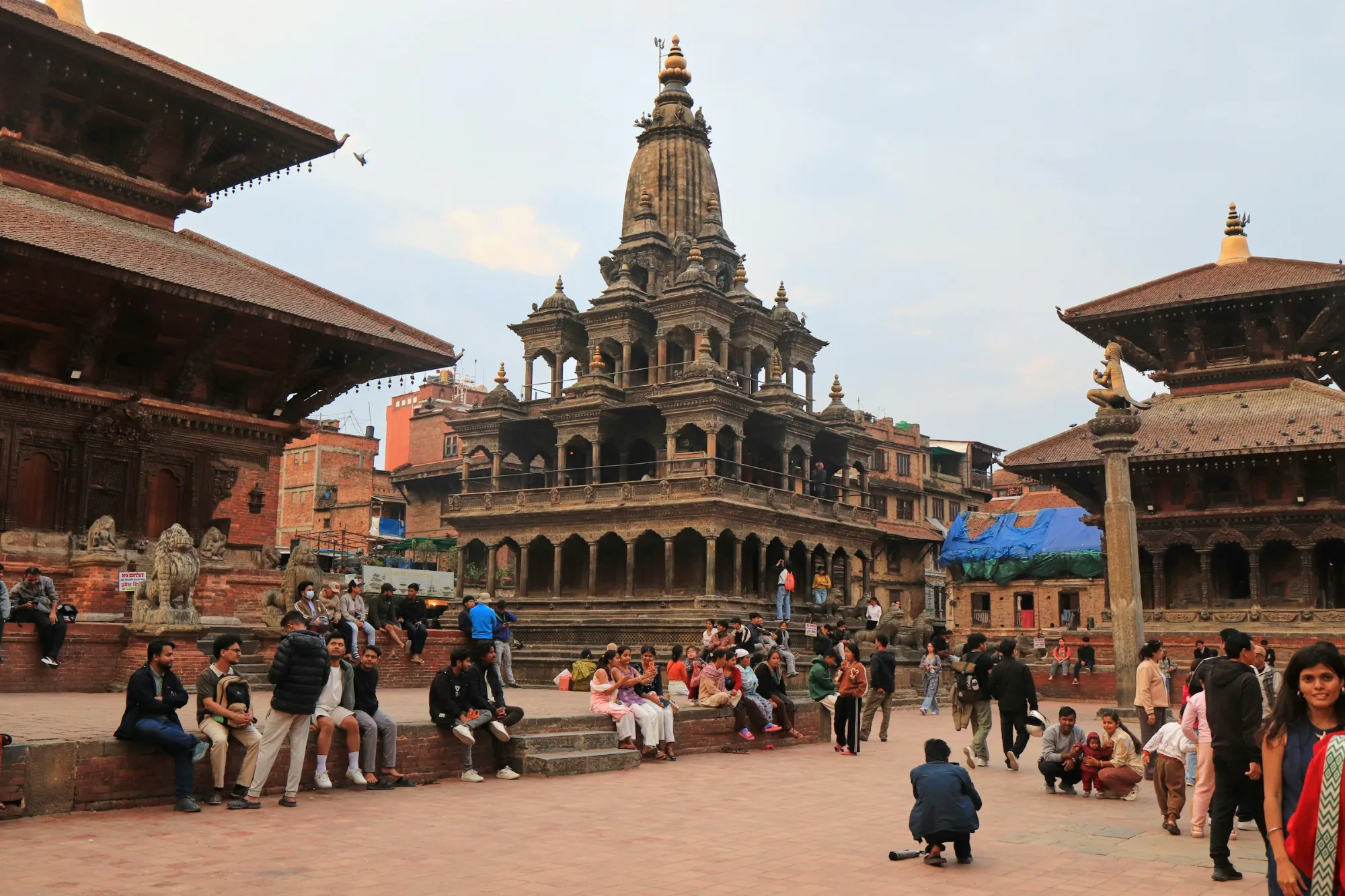
The seven monument zones that UNESCO lists for the Kathmandu Valley World Heritage Site are Hanuman Dhoka Durbar Square in Kathmandu, Patan Durbar Square, Bhaktapur Durbar Square, Swayambhu, Bauddhanath, Pashupati and Changu Narayan. Two full days covers most of them at a comfortable pace; a third day adds Changu Narayan and a quieter Bhaktapur.
Transfers set the shape
Nepal is small on the map and slow on the road. The two transfers that shape almost every programme are Kathmandu to Pokhara and Kathmandu or Pokhara to Chitwan.
| Transfer | By air | By road |
|---|---|---|
| Kathmandu to Pokhara | About 25 minutes (Buddha Air) | A full day on the Prithvi Highway, roughly 200 km |
| Kathmandu to Chitwan | About 25 minutes to Bharatpur, then about 30 minutes by road to the park (Buddha Air) | Most of a day via Mugling and Narayangadh |
| Pokhara to Chitwan | Not a route we fly in our programmes | Most of a day by road |
Flight times are from Buddha Air's Kathmandu to Pokhara route page and its Kathmandu to Bharatpur page. Road times vary with traffic, road works and landslides. On 9 and 10 November 2026, for example, the Kathmandu Post reported two landslides at Ghoptebhir between Malekhu and Mugling, the second of which blocked traffic in both directions until the next morning. Our comparisons of Kathmandu to Pokhara transport options and Kathmandu to Chitwan transport go into the detail for groups.
Order matters
We usually run Kathmandu first, then Chitwan, then Pokhara, then fly back to Kathmandu. It puts the long road day early, when clients are fresh, ends in Pokhara, which most clients enjoy most, and finishes with a short flight so the departure day is not exposed to a full day on the highway. If the programme includes a trek, the trek sits in the middle so there is time after it for a weather delay. Some clients prefer to finish in Chitwan for a quieter last stretch; that works, but only if the return to Kathmandu is a flight from Bharatpur and the international departure is the following day, not the same afternoon.
7 days: classic triangle
Seven days is enough for the three main blocks at a steady pace. It suits first time visitors, families and incentive groups who want variety without a trek. Our tours page has a 7 day road version of this route, the Golden Triangle, with a stop in the hill town of Bandipur.
| Day | Plan | Why |
|---|---|---|
| 1 | Arrive Kathmandu, transfer, short evening walk | International arrivals are often late or delayed; keep day 1 light |
| 2 | Kathmandu Durbar Square, Swayambhu, Pashupati and Boudhanath | The core heritage day |
| 3 | Bhaktapur and Patan, or Bhaktapur and Nagarkot | Second heritage day; Nagarkot adds a sunrise |
| 4 | Road or flight to Chitwan; afternoon village walk | Long transfer while energy is high |
| 5 | Full day in Chitwan: jeep safari, canoe, birdwatching | Two nights give a real chance of seeing rhino |
| 6 | Road to Pokhara; evening by the lake | Ends the road travel |
| 7 | Sarangkot sunrise, fly to Kathmandu, depart | Short flight on departure day |
The weak point is day 7. If the departing international flight is in the early afternoon, the Pokhara flight leaves very little margin. For any departure before mid afternoon we move the Pokhara to Kathmandu flight to the evening of day 6, or add an eighth day. Our trip planning timeline for agents explains when to lock flights and hotels.
10 days: adding a short trek
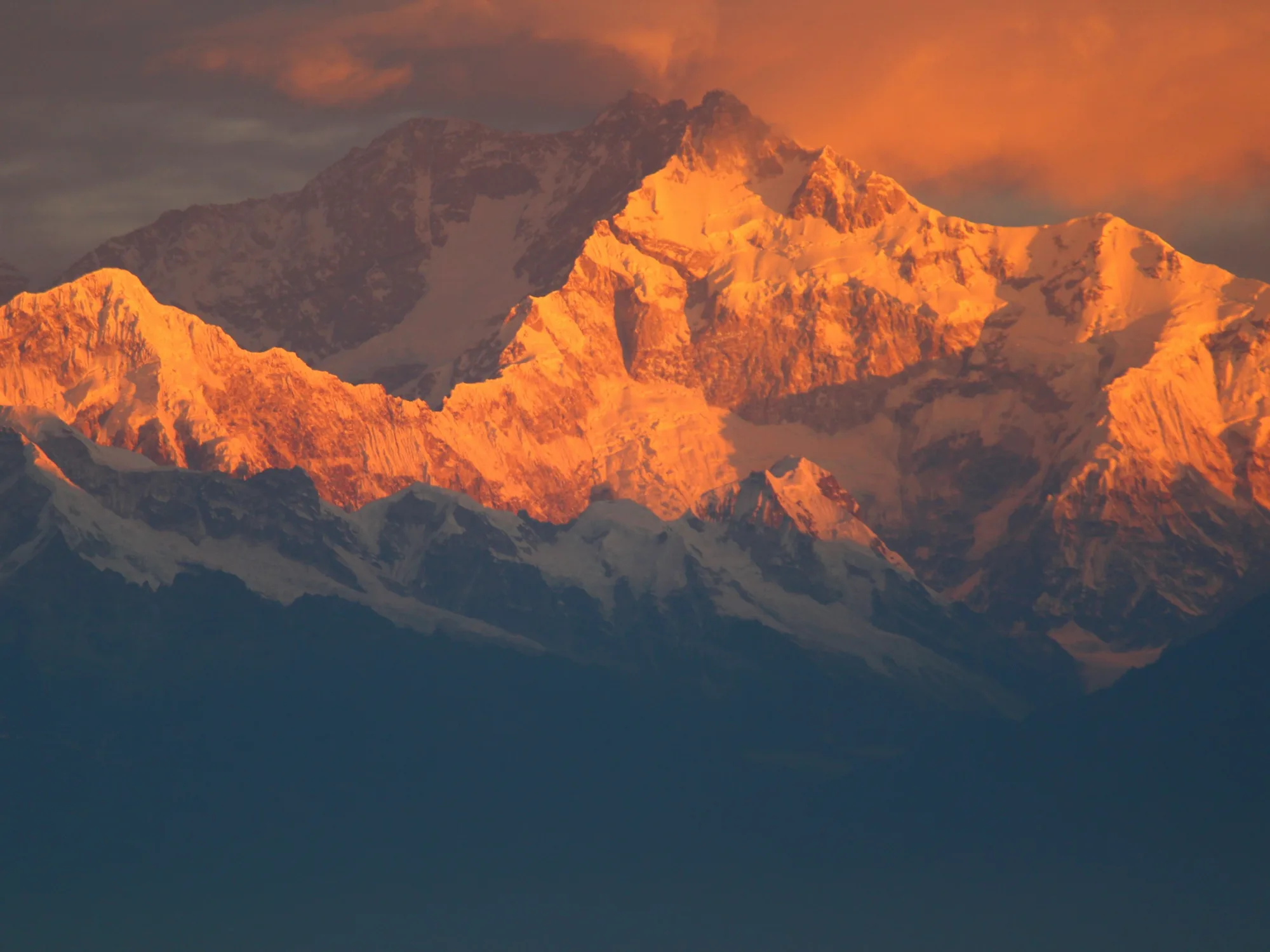
Ten days lets a client add a taste of trekking without committing to high altitude. Ghorepani Poon Hill is the standard choice: four to five days from Pokhara through Gurung villages and rhododendron forest to a sunrise viewpoint over the Dhaulagiri and Annapurna ranges. The Nepal Tourism Board gives Poon Hill as 3,210 m, which keeps the trek below the altitude where most clients have problems.
| Day | Plan |
|---|---|
| 1 | Arrive Kathmandu |
| 2 | Kathmandu heritage day |
| 3 | Fly to Pokhara; trek briefing and kit check |
| 4 | Drive to the trailhead and walk to the first village |
| 5 | Climb to Ghorepani |
| 6 | Poon Hill sunrise, traverse towards Tadapani |
| 7 | Walk down via Ghandruk, drive to Pokhara |
| 8 | Spare day in Pokhara: rest, boating, or weather buffer |
| 9 | Fly to Kathmandu; Bhaktapur in the afternoon |
| 10 | Depart |
Permits for the trek
Even a short trek needs paperwork. Fees below were checked on official pages on 19 November 2026.
| Item | Current position | Source |
|---|---|---|
| ACAP entry permit | NPR 3,000 for foreigners, NPR 1,000 for SAARC nationals, tax included; double if issued at a check post | NTNC e-permit |
| TIMS card | NPR 2,000, or NPR 1,000 for SAARC nationals, issued through a registered agency | Nepal Tourism Board |
| Licensed guide | Required since 31 March 2023 on routes listed by the Nepal Tourism Board, including the Annapurna Circuit, Mardi Himal and the Poon Hill and ABC trek | Nepal Tourism Board |
The ACAP fee is on the NTNC entry permit page and the TIMS fee and guide rule are on the Nepal Tourism Board TIMS page. Clients who want more of a challenge can swap Poon Hill for Annapurna Base Camp in a 12 to 14 day programme; our Annapurna Base Camp briefing explains what that involves.
Operator tip: Put the spare day after the trek, not at the end of the trip. If rain, a road block or a sick client delays the walk out, the spare day in Pokhara absorbs it and the Kathmandu sightseeing and departure stay on schedule. If nothing goes wrong, clients get a relaxed day by the lake.
14 days: trek plus safari
Two weeks is the length we recommend for most first time clients who want both mountains and wildlife. It allows the trek, a proper Chitwan stay and a full Kathmandu programme without a single rushed day.
| Day | Plan |
|---|---|
| 1 | Arrive Kathmandu |
| 2 | Kathmandu Durbar Square, Swayambhu and Pashupati |
| 3 | Boudhanath, Bhaktapur, overnight Nagarkot |
| 4 | Sunrise at Nagarkot, road to Chitwan |
| 5 | Full day in Chitwan |
| 6 | Morning activity, road to Pokhara |
| 7 | Pokhara rest and trek briefing |
| 8 to 11 | Ghorepani Poon Hill trek |
| 12 | Spare day in Pokhara |
| 13 | Fly to Kathmandu; Patan and free time |
| 14 | Depart |
Chitwan National Park charges a park entry fee per person: NPR 2,000 for foreigners and NPR 1,000 for SAARC nationals, according to the Chitwan National Park office (checked 19 November 2026). Activities inside the park are usually booked through the lodge, and we confirm what each lodge includes when we quote.
Variations on the 14 day template
- Pilgrimage focus: replace the trek with Lumbini, reached by a short flight to Bhairahawa or by road from Chitwan. Our article on Buddhist pilgrimage to Lumbini covers the sites and timing.
- More trekking: replace Poon Hill with Annapurna Base Camp and drop Nagarkot.
- Slower pace: drop the trek and add Bandipur and an extra day in Pokhara.
- Mountain views without walking: add an early morning mountain flight from Kathmandu on day 2 or 13.
Adjusting the templates by season and group size
The same template does not work in every month or for every group. These are the adjustments we make most often before we quote.
By season
| Months | What changes |
|---|---|
| October to November | Peak season: book Pokhara flights, Chitwan lodges and trek lodges early; all three templates work as written |
| December to February | Cold mornings and fog in the Terai can delay Bharatpur flights; Poon Hill is cold but usually clear; keep the spare day |
| March to May | Rhododendron season on the Poon Hill trek; haze can reduce mountain views later in spring; Chitwan gets hot by May |
| June to September | Monsoon: fly rather than drive where possible, expect cloud on viewpoints, and treat the short trek as optional |
By group size
- FIT and couples: private vehicles and flights give the most flexibility, and the 10 day template with Poon Hill is the most popular shape.
- Small groups of 6 to 15: a private vehicle for road days is often simpler than coordinating seats on several flights, and the group can stop in Bandipur or at viewpoints on the way.
- Large groups: split flights across more than one departure, keep the heritage days to fewer sites because moving a large group through narrow lanes takes time, and confirm lodge capacity in Chitwan before anything else.
- Families with young children: shorten road days, keep two nights in each place and replace the trek with day walks around Pokhara.
For clients who have done the triangle before, the same blocks can be swapped for a longer trek in the Annapurna region, a stay in Bandipur and Gorkha, or western Nepal. We adapt the template to the client brief rather than selling a fixed package.
Buffers and common mistakes
Buffers we build in
- A light arrival day. Long haul arrivals are often late and luggage is sometimes delayed.
- One spare day after any trek, in Pokhara rather than Kathmandu.
- No domestic flight on the morning of an international departure unless there is a full day of margin behind it.
- Extra time on road days in the monsoon, when landslides on the Prithvi Highway and the Mugling to Narayangadh road are common.
Mistakes we see in itineraries sent to us
| Mistake | What happens | Fix |
|---|---|---|
| One night in Chitwan | Clients arrive in the afternoon and leave the next morning with one safari | Two nights minimum |
| Trek ending the day before the international flight | Any delay on the trail or the road threatens the flight | Spare day in Pokhara after the trek |
| Kathmandu to Pokhara by road on the last day | A landslide or traffic jam means a missed flight | Fly the last sector, or move it a day earlier |
| Too many sites on the heritage days | Traffic in the valley makes six sites in a day unrealistic | Three or four sites a day, grouped by area |
| Sunrise viewpoints in the monsoon | Cloud hides the mountains on most mornings | Sell views as likely only from October to April |
| Ignoring festivals | Roads, hotels and flights are full around Dashain and Tihar | Check dates before confirming |
Season changes what works. Our Nepal weather by month guide shows which months suit sunrise viewpoints, treks and safaris, and the clearest mountain views come from October to April. For entry formalities, see our Nepal visa on arrival guide.
For travel agents: how to package it
What to include
- All transfers, with the mode for each sector stated (road or air) and a note on what happens if a flight is cancelled.
- Hotels in Kathmandu and Pokhara, a lodge in Chitwan with activities listed, and teahouses on the trek.
- Guides: a city guide for heritage days and a licensed trekking guide for the trek, in the client's language on request with advance notice.
- Government fees such as ACAP, TIMS and park entry, shown separately with the date checked.
Who each template suits
- 7 days: first time visitors, families, incentive groups, clients combining Nepal with India or Bhutan.
- 10 days: active couples and small groups who want one walking experience.
- 14 days: the best balance for most long haul clients, and the easiest to adapt for special interests.
Upsells
- A mountain flight from Kathmandu, a paragliding flight in Pokhara or a cooking class in the valley.
- Heritage hotels in Bhaktapur or Patan instead of a city centre hotel.
- An upgrade from Poon Hill to Annapurna Base Camp for fit clients.
- Lumbini as an extension for clients with an interest in Buddhism.
We are licensed by the Government of Nepal for travel, tour, trekking and mountaineering, we are an NMA member and a TAAN member, and we run our own guides, transport and hotel contracts for groups from FIT to large parties, standard to luxury. Full programmes are on our trekking page and tours page. To build these templates into your programme, talk to us about a partnership.
Frequently asked questions
How many days do you need in Nepal?
Seven days covers Kathmandu, Chitwan and Pokhara at a steady pace. We recommend 10 days to add a short trek and 14 days for most long haul clients who want both a trek and a safari.
What is a good 10 day Nepal itinerary?
Two days in Kathmandu, a flight to Pokhara, four days on the Ghorepani Poon Hill trek, a spare day in Pokhara and a final afternoon in Bhaktapur before departure.
Can you combine trekking and safari?
Yes. In 14 days a client can do a four day Poon Hill trek from Pokhara and spend two nights in Chitwan, with a spare day after the trek.
Should clients fly or drive between Kathmandu and Pokhara?
Flying takes about 25 minutes and is the safer choice before an international departure. The road takes a full day and suits groups who want stops, but landslides can delay it, especially in the monsoon.
Do clients need a guide for Poon Hill?
Yes. The Nepal Tourism Board's list of routes that need a licensed guide and a TIMS card from a registered agency includes the Poon Hill and ABC trek, and we send a licensed guide on every Poon Hill departure.
Sources
- UNESCO World Heritage Centre: Kathmandu Valley
- Buddha Air: Kathmandu to Pokhara flights
- Buddha Air: Kathmandu to Bharatpur flights
- The Kathmandu Post: Fresh landslide blocks Prithvi Highway again (10 November 2026)
- Nepal Tourism Board: Top trekking destinations in Nepal
- National Trust for Nature Conservation: entry permit support
- Nepal Tourism Board: TIMS card
- Chitwan National Park: Regulation and entry fees