Lumbini tours and Buddhist pilgrimage in Nepal: Lumbini, Kathmandu and beyond, for tour operators
A Lumbini tour for pilgrimage groups needs at least one full day at the sacred garden and monastic zone, and two nights if you add Tilaurakot, Ramagrama and the other Greater Lumbini Area sites. Most groups fly Kathmandu to Bhairahawa (about 30 minutes) and combine Lumbini with Boudhanath, Swayambhunath and Kopan in Kathmandu, or cross at Belahiya to link with Kushinagar and Bodh Gaya in India.
| Lumbini World Heritage listing | Inscribed by UNESCO in 1997Source: UNESCO |
|---|---|
| Ashoka pillar | Erected by Emperor Ashoka in 249 BC, Pali inscription in Brahmi scriptSource: UNESCO World Heritage Centre |
| Lumbini conservation fee, per day | Other nationals Rs 1,000; SAARC and Myanmar Rs 700; Indian nationals Rs 80 (checked 14 November 2026); confirm before quotingSource: Lumbini Development Trust |
| Bhairahawa to Lumbini | About 22 kmSource: Nepal Tourism Board |
| Kathmandu to Bhairahawa flight | About 30 minutesSource: Buddha Air |
| International flights at Bhairahawa | No scheduled international flights since Thai AirAsia's last Bangkok service on 25 March 2026, airport officials said in September 2026Source: Nepal News |
| Greater Lumbini Area tour benchmark | Trust's Buddhist Trilogy tour runs 3 days and 2 nightsSource: Lumbini Development Trust |
| Indian nationals | Do not need a visa to enter NepalSource: Nepal Tourism Board |
A Lumbini tour is the anchor of almost every Buddhist pilgrimage tour in Nepal, but the best programmes treat Lumbini as one part of a wider circuit: the Greater Lumbini Area sites linked to the Buddha's early life, the great stupas and monasteries of the Kathmandu Valley, and, for many groups, the Indian sites of the Buddhist circuit across the border. This guide is written for tour operators who run pilgrimage groups from India, Sri Lanka, Thailand, Vietnam, Myanmar, Japan, Korea and Western markets. It covers what each site is, how long to allow, what the Lumbini Development Trust currently charges, how to connect with India, and where programmes usually go wrong on the ground.
The key Buddhist sites in Nepal
Nepal's Buddhist sites fall into two clusters several hundred kilometres apart. The first is the Terai plain of Lumbini Province, near the Indian border, where the Buddha was born and spent his early life as Prince Siddhartha. The second is the Kathmandu Valley and its rim, where Newar and Tibetan Buddhist traditions are alive in daily practice. Most pilgrimage programmes need both, with the short Kathmandu to Bhairahawa flight or a long day by road linking them.
In the Greater Lumbini Area, the Lumbini Development Trust promotes a circuit of sites around Lumbini itself. UNESCO describes Tilaurakot as holding the remains of the ancient Shakya Kingdom, where the Buddha lived as Prince Siddhartha until the age of 29, and Ramagrama as the site of a relic stupa of the Buddha that has never been opened. The Trust's own tour material also includes Kudan, and Gotihawa and Niglihawa, which it describes as associated with the birthplaces of the earlier Buddhas Krakuchhanda and Kanakamuni. Devadaha is also part of the Trust's Greater Lumbini Area.
| Site | Why pilgrims go | Area | Time to allow (our planning guide) |
|---|---|---|---|
| Maya Devi Temple and the sacred garden, Lumbini | Birthplace of the Buddha, Ashoka pillar, Shakya Tank | Lumbini, Rupandehi | Half a day, longer for puja or meditation |
| Lumbini monastic zone | Monasteries built by Buddhist countries and communities | Lumbini, Rupandehi | Half a day, often by e-rickshaw or bicycle |
| Tilaurakot (ancient Kapilvastu) | Remains of the Shakya capital where Siddhartha grew up | Kapilvastu district | Half a day including the drive |
| Kudan, Gotihawa, Niglihawa | Sites linked to the Buddha's life and to earlier Buddhas | Kapilvastu district | Combine with Tilaurakot for a full day |
| Ramagrama stupa | Unopened relic stupa of the Buddha | Greater Lumbini Area | Half a day including the drive |
| Boudhanath and Swayambhunath | Great stupas of the Kathmandu Valley | Kathmandu | Two to three hours each |
| Kopan Monastery | Monastery and teaching centre above Boudhanath | Kathmandu | Two to three hours, or a course |
| Namo Buddha | Stupa marking the tigress legend | Kavre, east of the valley | A full day |
| Pharping | Padmasambhava cave and monasteries | South rim of the valley | Half a day |
Lumbini in detail
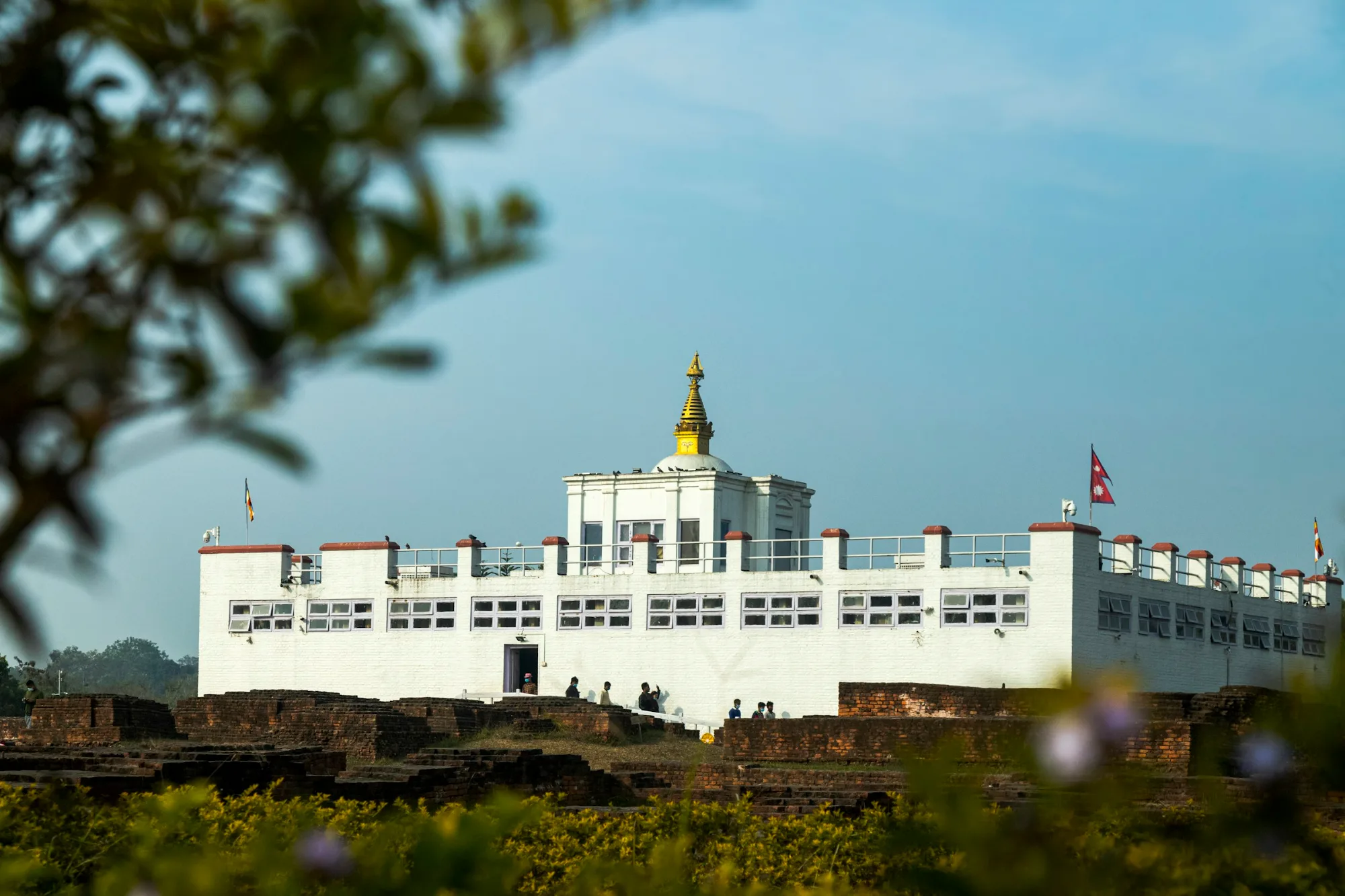
UNESCO inscribed Lumbini, the Birthplace of the Lord Buddha, on the World Heritage List in 1997. The protected area centres on the sacred garden around the Maya Devi Temple, where excavated brick structures date from the 3rd century BC onwards. Beside the temple stands the sandstone Ashoka pillar, which UNESCO records as erected by Emperor Ashoka in 249 BC, with a Pali inscription in Brahmi script that identifies the site as the Buddha's birthplace. The pillar was rediscovered in 1896. Around the sacred garden lie the remains of viharas and stupas that show how an early Buddhist pilgrimage centre worked.
The wider site follows a master plan prepared by the Japanese architect Kenzo Tange between 1972 and 1978, with the World Heritage property at its centre and the monastic zone laid out beyond it. Monasteries in the zone have been built by Buddhist countries and communities, so groups from Thailand, Myanmar, Sri Lanka, Vietnam, Japan, Korea and elsewhere can usually visit, and often arrange a puja at, a temple of their own tradition. The site is managed by the Lumbini Development Trust, which works under the Ministry of Culture, Tourism and Civil Aviation and issues the regulations for the monastic zone.
Lumbini Development and Conservation Fee
The Trust publishes its current fee rates on its entry formalities page. The figures below are as published there when we checked on 14 November 2026. Tickets can be paid in cash, by QR code or online through the Trust's ticketing site. Confirm the current fee with us before quoting, as rates can change without much notice.
| Fee category | Indian nationals | SAARC and Myanmar nationals | Other nationals |
|---|---|---|---|
| Conservation fee, per day | Rs 80 | Rs 700 | Rs 1,000 |
| Still camera, per day | Rs 100 | USD 3 | USD 3 |
| Video camera, per day | Rs 1,000 | USD 25 | USD 25 |
| Meditation pass, 12 days | Rs 500 | Rs 1,000 | Rs 1,500 |
Source: Lumbini Development Trust, Entry Formalities, checked 14 November 2026. Amounts in Rs are Nepali rupees as listed by the Trust. An older 2024 page on the Trust's site still shows lower rates, so treat this table as a guide and confirm the current fee with us before quoting. The Trust states that the conservation fee is waived for monks, nuns, persons with disabilities and local residents of the three surrounding districts. Drone flights over heritage sites in the Greater Lumbini Area need permission from the District Administration Office, the Civil Aviation Authority of Nepal and the Trust, so tell group videographers well before travel.
The Trust's visitor rules for the Maya Devi Temple are simple: tickets are mandatory, shoes come off before entering, modest clothing is preferred and food and drink stay outside. The Trust does not publish opening hours on that page, so we confirm timings locally for each departure, particularly for groups that want an early morning puja.
How many days are needed in Lumbini
One full day covers the sacred garden, the Maya Devi Temple, the Ashoka pillar and a selection of monasteries in the monastic zone at a pilgrim's pace. Two nights allow a second day for Tilaurakot, Kudan, Gotihawa and Niglihawa, or for Ramagrama. The Trust's own Buddhist Trilogy tour of Lumbini, Kapilvastu and the surrounding sites runs over three days and two nights, which is a fair benchmark for groups that want the full Greater Lumbini Area without rushing. Groups with a strong meditation focus often stay longer; our guide to organising yoga and meditation retreats in Nepal covers how to build that kind of programme.
Kathmandu's stupas and monasteries
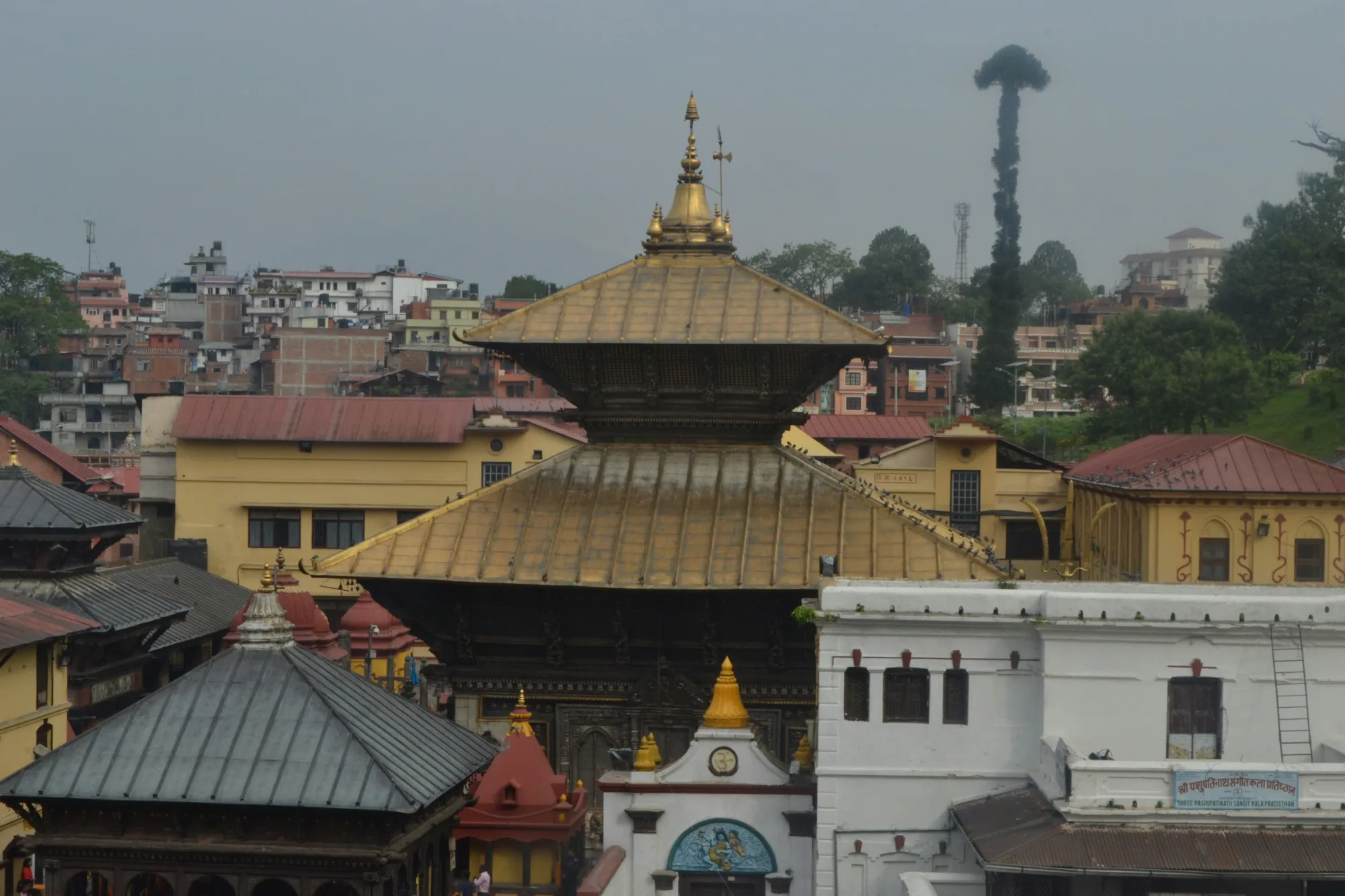
The Kathmandu Valley gives pilgrims living Buddhism rather than archaeology. Swayambhunath and Boudhanath are both UNESCO World Heritage Sites within the Kathmandu Valley listing. Swayambhunath sits on a hill west of the city, with written references going back to the 5th century, and gives views across the valley. Boudhanath, about 6 km east of the centre, is one of the most imposing landmarks in Kathmandu and the heart of the valley's Tibetan Buddhist community, with monasteries all around the circuit path. Its spire has 13 levels, representing the 13 stages of the Bodhisattva path. It is busiest at Lhosar, the Tibetan New Year, and at Buddha Jayanti. Both sites charge foreign visitors an entry fee; confirm the current amount with us before quoting.
Kopan Monastery stands on a hillock just north of Boudhanath. The Nepal Tourism Board dates it to 1970, and it offers courses on Tibetan Buddhism, which suits Western groups who want teaching rather than sightseeing, and it is a good place for a short talk or a question and answer session with a monk, arranged in advance.
Namo Buddha, near Panauti in Kavre district east of the valley, marks the legend in which a Buddha offered his own flesh to save a starving tigress and her cubs, commemorated by a small stupa. Fit groups can walk there from Dhulikhel or Panauti; others go by road. Pharping, on the southern rim of the valley, has hilltop monasteries and a cave associated with Padmasambhava (Guru Rinpoche), which makes it a focus for Vajrayana practitioners and an easy half day from the city. For mixed Hindu and Buddhist groups, Muktinath in Mustang is sacred to both faiths, but it needs flights and extra days and is best quoted as a separate extension.
Monastery etiquette for pilgrim groups
- Walk clockwise around stupas, prayer wheels and shrines, keeping the monument on your right.
- Remove shoes, and hats, before entering shrine rooms and the Maya Devi Temple.
- Dress modestly: shoulders and knees covered for everyone.
- Ask before photographing monks, nuns or rituals, and never use flash inside shrine rooms.
- Do not point feet at altars or teachers, and do not touch images or offerings.
- Offer and receive things with the right hand or both hands; khata scarves and offerings can be bought near most sites.
- Keep voices low during prayers and pujas, and brief group leaders on this before arrival.
Combining Nepal with India's Buddhist circuit
Lumbini sits close to the Indian border, so many operators run it as one stop on a circuit with Bodh Gaya, where the Buddha attained enlightenment, Sarnath, where he gave his first sermon, Kushinagar, where he passed into parinirvana, and Shravasti. The usual crossing for coach groups is the Belahiya border point at Bhairahawa, opposite Sunauli on the Indian side. Lumbini is about 22 km from Bhairahawa, according to the Nepal Tourism Board.
Two points matter for planning. First, Indian citizens do not need a visa for Nepal; for the documents they should carry, see our guide to Nepal entry rules for Indian travellers. Second, third-country groups (Thai, Vietnamese, Sri Lankan, Japanese, Korean, Western) need a Nepal visa at the border, and processing at Belahiya can be slow when several coaches arrive together. We build an immigration buffer into the first Nepal day and advise passengers to have forms and photos ready. Our Nepal visa on arrival guide explains the process.
Distances on the Indian side are long. Lumbini to Kushinagar is a long day by road, and Lumbini to Bodh Gaya is longer still, so most operators place Kushinagar next to Lumbini in the sequence and break the journey to Bodh Gaya. Indian operators planning cross-border coach programmes should also read our note on Nepal ground handling for Indian tour operators, which covers vehicles, permits and handover points.
Gautam Buddha International Airport at Bhairahawa
Gautam Buddha International Airport at Bhairahawa is the gateway to Lumbini. Domestic flights from Kathmandu operate daily; Buddha Air lists the flight at about 30 minutes, followed by roughly a 30-minute drive to Lumbini. International services are a different story. Thai AirAsia's Bangkok service last operated on 25 March 2026, and in late September 2026 the airport's information officer told Nepal News there were no scheduled international flights and no new schedules had been received. Thai AirAsia has run seasonal Bangkok flights in past winters, but do not build a programme around a direct international arrival at Bhairahawa until the schedule is published and seats are on sale. Most international pilgrims still arrive in Kathmandu, or overland from India. Our guide to Nepal domestic flights covers baggage allowances and delays.
Group logistics
For groups of more than about 15, a Kathmandu to Bhairahawa flight and a coach in the Terai is usually the most efficient pattern, with luggage either flown with the group or sent ahead by road. Large groups on the India circuit often stay with the same coach across the border, which needs the right vehicle permits arranged in advance. Kathmandu to Lumbini by road is a long day, and we do not recommend it for elderly pilgrims unless there is a reason to avoid flying.
Hotels in Lumbini and Bhairahawa range from simple pilgrim lodges to international-standard properties. Vegetarian meals, and for some groups no onion or garlic, are easy to arrange with notice.
Season matters more in the Terai than in Kathmandu. From April to June Lumbini is very hot, with temperatures that can make midday site visits hard for older pilgrims, so plan visits for early morning and late afternoon. The monsoon follows. From December to January dense fog in the Terai can delay morning flights at Bhairahawa and slow coaches, so keep buffers on transfer days. October to November and February to March are the most comfortable months. Our Nepal weather by month guide gives more detail.
Buddha Jayanti, which commemorates the Buddha's birth, enlightenment and passing, falls on the full moon of the Nepali month of Baisakh, usually in late April or May. Lumbini and Boudhanath are crowded and hotels fill early, so book well ahead or choose dates either side. The date for next year is in our Nepal festivals 2027 calendar.
Operator tip: Put Lumbini's main visit on a full day with no transfer, and schedule the sacred garden for the early morning. Mornings are cooler, the light is better, and pujas at the Maya Devi Temple are more peaceful before the day crowds arrive from the border.
For travel agents: how to package it
What to include. A practical Nepal pilgrimage module is 6 to 8 nights: two or three nights in Kathmandu for Boudhanath, Swayambhunath and Kopan, with Namo Buddha or Pharping as a day trip; flights to Bhairahawa; two nights in Lumbini for the sacred garden, monastic zone and one Greater Lumbini Area day. For India circuit groups, a two or three night Nepal stop between Kushinagar and Shravasti or Kathmandu works well. Include a Buddhist-knowledge guide in the group's language, temple fees, puja arrangements and bottled water. See our tour programmes for ready-made itineraries we can adapt.
Buffers. Add half a day after any Belahiya crossing for third-country groups, and a spare half day around winter flights to and from Bhairahawa. Avoid same-day international connections out of Kathmandu after a Lumbini flight.
Who it suits. Temple and monastery groups from Thailand, Myanmar, Sri Lanka and Vietnam; Japanese and Korean pilgrimage tours with a strong schedule; Indian groups adding Lumbini to a Buddhist circuit; Western meditation and Dharma centres who want teaching at Kopan or a retreat in Lumbini. Our Nepal group tours planning guide covers rooming, guide ratios and payment timelines.
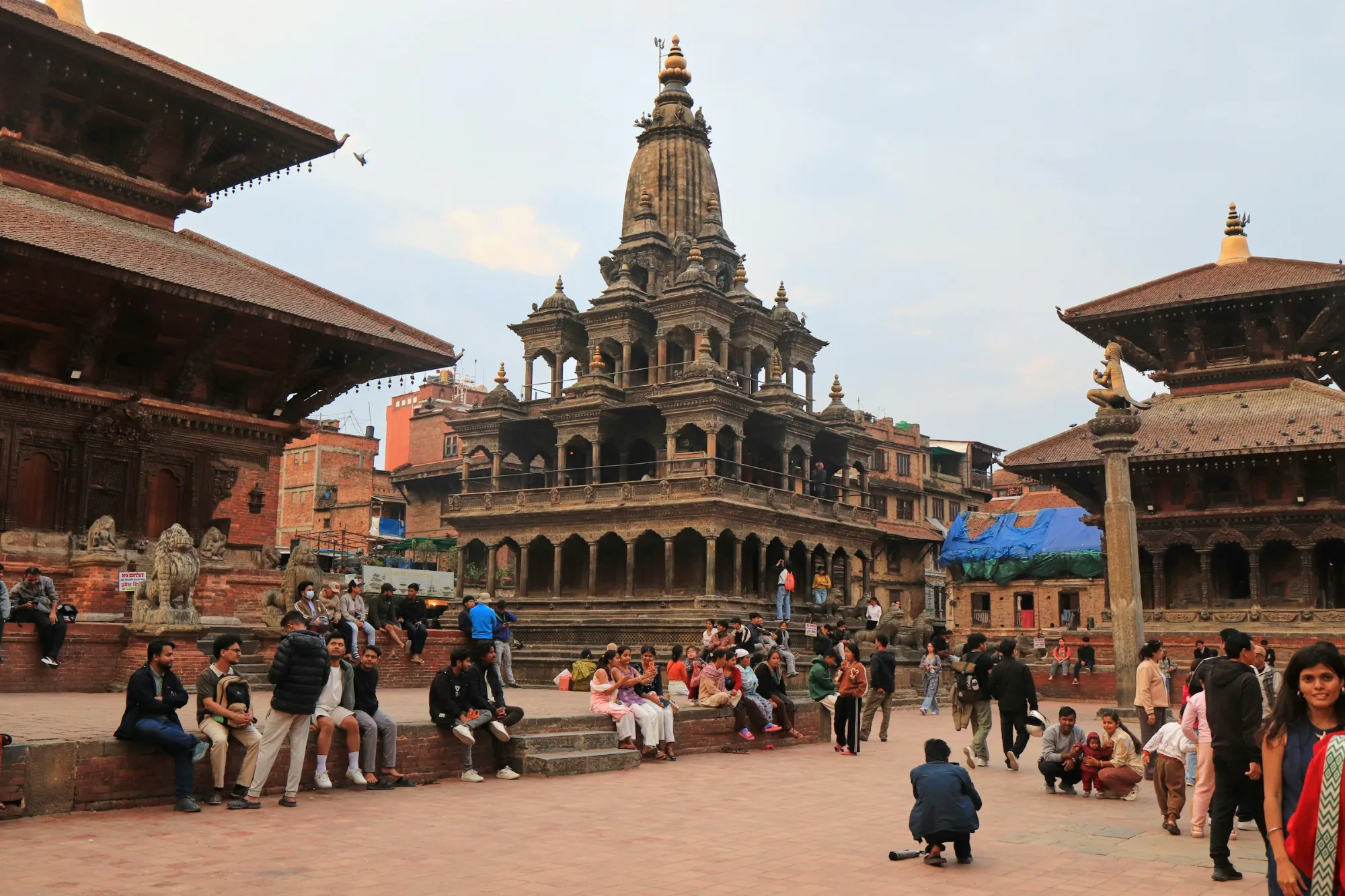
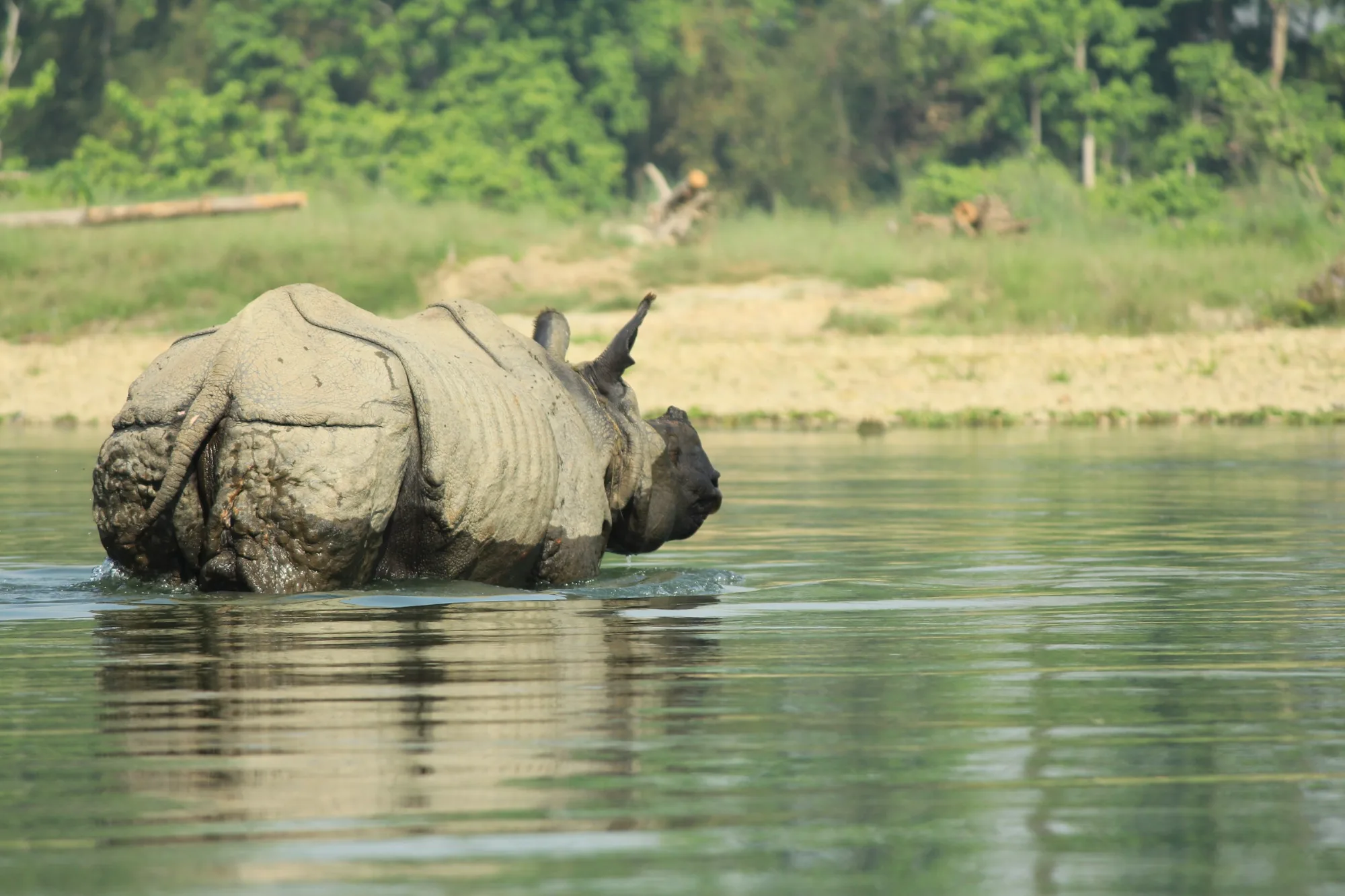
Upsells. A private puja or offering to monks at a monastery of the group's own tradition; a Lumbini meditation pass for longer stays; a Namo Buddha walk from Dhulikhel; a Kathmandu Valley heritage day at Patan and Bhaktapur; a Pokhara extension; or Chitwan National Park, which sits on the road between Kathmandu and Lumbini and breaks the drive for road-based groups.
We are licensed by the Government of Nepal for travel, tour, trekking and mountaineering, a TAAN member, and we run our own guides, transport and hotel contracts for FIT to large groups, standard to luxury. If you are building a Lumbini or Buddhist circuit programme for next season, become a trade partner and send us your group profile and dates; our office replies Sunday to Friday, 10:00 to 17:30 Nepal time.
Frequently asked questions
How do you get to Lumbini?
Most groups fly from Kathmandu to Gautam Buddha International Airport at Bhairahawa, a flight of about 30 minutes, then drive about 22 km to Lumbini. Groups coming from India usually cross by coach at the Belahiya border point at Bhairahawa, and Kathmandu to Lumbini by road is a long day.
How many days are needed in Lumbini?
One full day covers the Maya Devi Temple, the sacred garden and a selection of monasteries in the monastic zone. Allow two nights to add Tilaurakot, Kudan, Gotihawa, Niglihawa or Ramagrama, and longer for meditation or retreat groups.
Can we combine Lumbini with Bodh Gaya?
Yes. Lumbini links with Kushinagar, Sarnath, Bodh Gaya and Shravasti via the Belahiya and Sunauli crossing, and most operators place Kushinagar next to Lumbini because the road to Bodh Gaya is long. Third-country groups need a Nepal visa at the border, so build in time for immigration.
Are there direct international flights to Bhairahawa for pilgrim groups?
International services at Bhairahawa have been irregular, and in late September 2026 airport officials said there had been no international flights since March and no new schedules had been received. Check the published schedule before building a programme around a direct arrival; most international pilgrims still arrive via Kathmandu or overland from India.
What is the best time for a Buddhist pilgrimage tour in Nepal?
October to November and February to March are the most comfortable months in the Terai. April to June is very hot in Lumbini, and winter fog in December and January can delay flights and road transfers.
Do Indian pilgrims need a visa for Nepal?
No, Indian citizens do not need a visa for Nepal. See our guide to Nepal entry rules for Indian travellers for the documents to carry.
Sources
- UNESCO World Heritage Centre: Lumbini, the Birthplace of the Lord Buddha
- UNESCO: Lumbini, a living World Heritage Site
- Lumbini Development Trust: Entry Formalities
- Lumbini Development Trust: Greater Lumbini Area tour
- Nepal Tourism Board: Pilgrimage sites
- Nepal Tourism Board: Tourist visa
- Buddha Air: Flights from Kathmandu to Bhairahawa
- Nepal News: Gautam Buddha International Airport sits idle; private sector investments hang in balance