Incentive travel in Nepal: MICE venues, logistics and timing for corporate groups
Nepal suits incentive groups of roughly 50 to 300: Kathmandu is under two hours from Delhi, and hotels such as the Yak & Yeti, the Soaltee, Hyatt Regency and Marriott publish main halls for 600 to 800 guests. Plan around one main international gateway, weather-dependent flights and the busy Dashain and Tihar season.
| Largest hotel ballroom (Yak & Yeti) | Regal Ballroom: 800 theatre, 1,000 standing receptionSource: Hotel Yak & Yeti |
|---|---|
| Largest indoor hall (The Soaltee) | Megha Malhar Hall: 700 theatre, 384 banquetSource: Marriott: The Soaltee Kathmandu, Autograph Collection |
| Hyatt Regency Kathmandu ballroom | Up to 800 guests, divisible into two roomsSource: Hyatt Regency Kathmandu |
| Largest Pokhara hall confirmed | Pokhara Grande, Manaslu: 500 occupancySource: Hotel Pokhara Grande |
| Delhi to Kathmandu non-stop | About 1 hr 40 to 1 hr 45 min (IndiGo)Source: IndiGo |
| Birendra International Convention Centre | Unusable since the September 2025 fire; no rebuild decision reportedSource: The Kathmandu Post |
| Dubai to Pokhara | Daily non-stop flydubai service since 23 September 2026Source: Khaleej Times |
Incentive travel in Nepal works well for Indian and regional corporate groups, and for long-haul groups that want something different from a beach resort. Kathmandu is a short flight from Delhi, Indian citizens have simple entry rules, and a single programme can combine a conference day, a heritage gala evening, a mountain flight and a few days in Pokhara or Chitwan. The limits are real too: one main international gateway, a small number of large hotel ballrooms, and a festival season that fills hotels in the same months corporate planners want. This guide sets out what we check for MICE groups, with venue capacities taken from each hotel's own website on 10 November 2026.
Why Nepal works for incentives
For Indian companies, the case is mostly about access and ease. IndiGo lists non-stop Delhi to Kathmandu flights of about 1 hour 40 to 1 hour 45 minutes, and Kathmandu is also served from other Indian cities. Indian citizens do not need a visa for Nepal, but the identity documents accepted at immigration are specific, and they matter for a group where some delegates carry passports and some do not. Our guide to Nepal entry rules for Indian travellers covers the detail, and we ask for every delegate's document type with the rooming list.
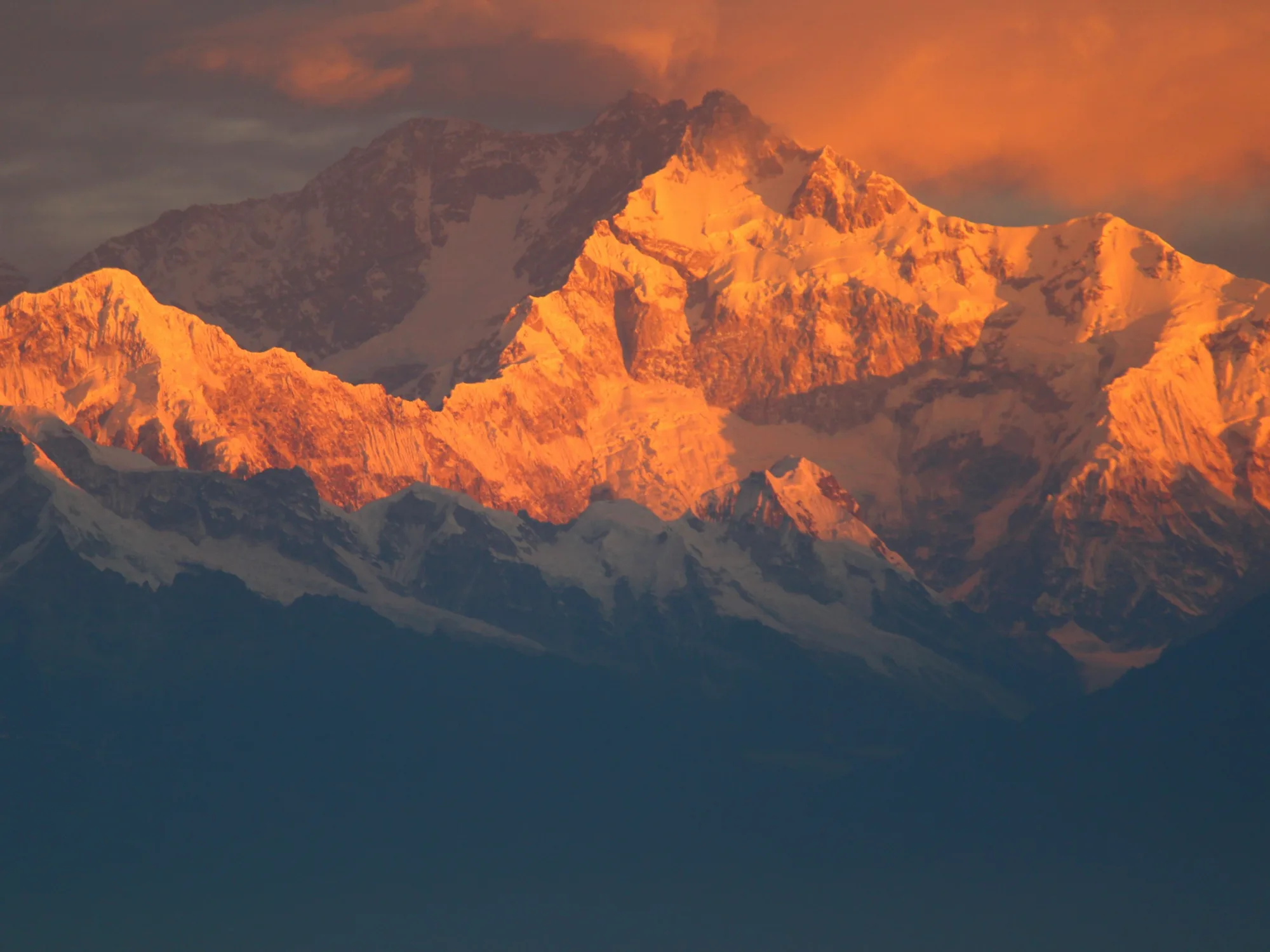
Beyond access, Nepal gives an incentive group a strong story to take home: the Himalaya at sunrise, living temples and palace squares in the Kathmandu Valley, a lake town under the Annapurnas and a national park with rhino and elephant. Programmes can be built at standard or luxury level, and the same group can split into soft adventure and cultural options on the same day.
The trade-offs are worth stating at the first briefing. Kathmandu has a limited number of hotels that can seat several hundred people in one room, roads are slow, and weather can move flights. For long-haul groups on a visa on arrival, the immigration queue at Tribhuvan International Airport needs its own plan; see our Nepal visa on arrival guide. None of this rules Nepal out, but it does mean the programme has to be built with buffers, not copied from a Dubai or Bangkok template.
Kathmandu and Pokhara venues
Most corporate meetings in Nepal take place in hotels. The table below lists the largest space at each property and the capacity the hotel itself publishes. Figures are the hotel's stated maximum for the layout shown; real numbers fall once you add a stage, LED wall, translation booths or round tables for dinner, so treat them as a ceiling, not a target.
| Venue | City | Largest space | Capacity stated by the venue | Source |
|---|---|---|---|---|
| Hotel Yak & Yeti | Kathmandu (Durbar Marg) | Regal Ballroom, Lal Durbar Convention Center | 800 theatre, 1,000 standing reception, 360 classroom; divisible into two halls of 350 theatre each | Venue's own website |
| The Soaltee Kathmandu, Autograph Collection | Kathmandu (Tahachal) | Megha Malhar Hall (indoor); Front Lawn (outdoor) | Hall: 700 theatre, 384 banquet. Lawn: 1,200 theatre, 1,500 reception | Venue's own website |
| Hyatt Regency Kathmandu | Kathmandu (Boudha) | Regency Ballroom, divisible into two rooms | Up to 800 guests | Venue's own website |
| Kathmandu Marriott Hotel | Kathmandu | Bagmati Ballroom | 600 theatre, 400 banquet | Venue's own website |
| Dwarika's Hotel | Kathmandu | The Courtyards; Lohn Hiti | Courtyards up to 120 for receptions; Lohn Hiti 70 seated banquet | Venue's own website |
| Hotel Pokhara Grande | Pokhara | Manaslu hall | 500 (stated occupancy) | Venue's own website |
| Temple Tree Resort | Pokhara | Main conference room | 150; second room up to 50 | Venue's own website |
| Fish Tail Lodge | Pokhara | Danfe Hall; outdoor area by Circle Restaurant | Hall 120 theatre; outdoor 200 for cocktail dinners | Venue's own website |
Kathmandu
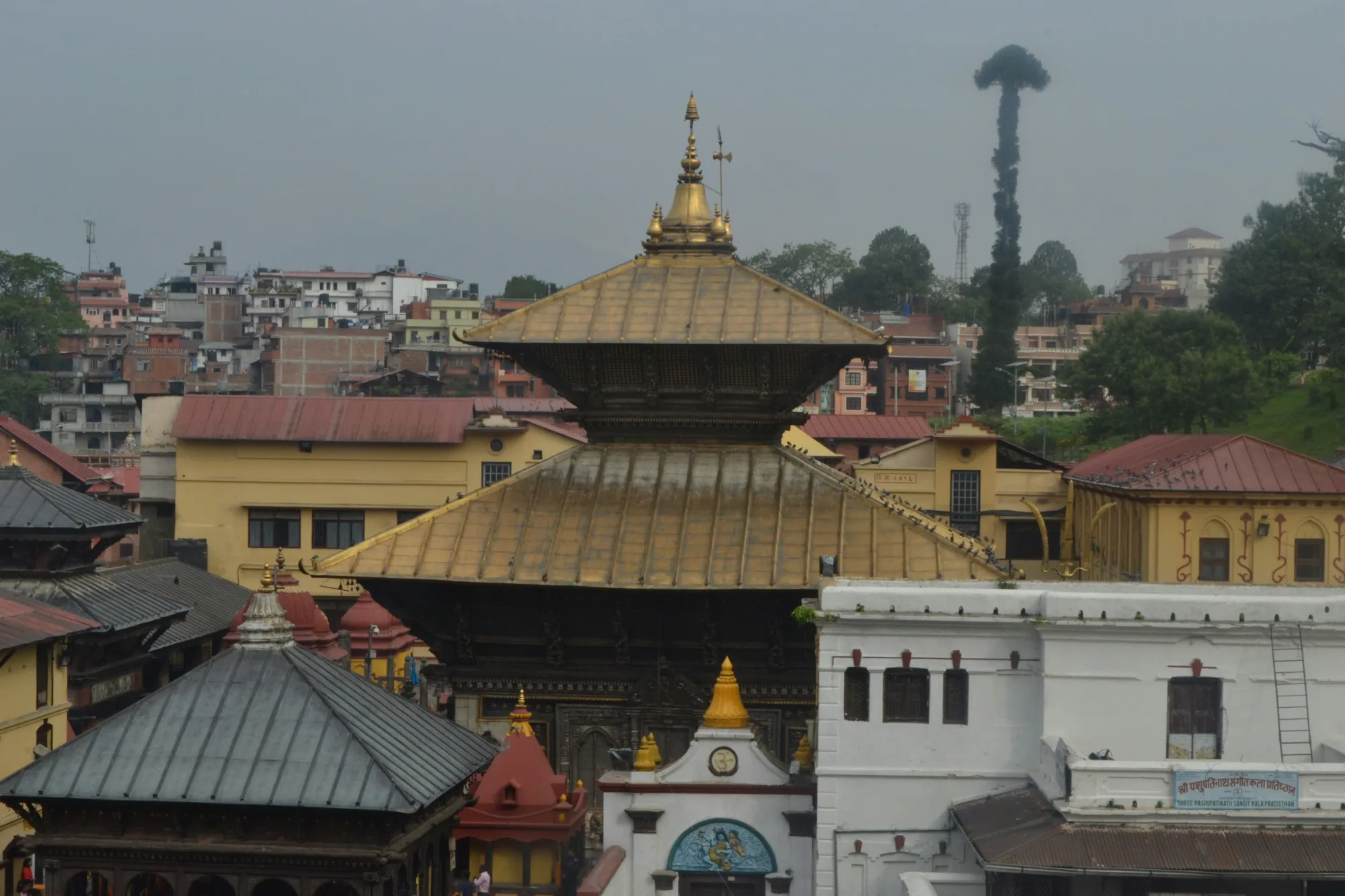
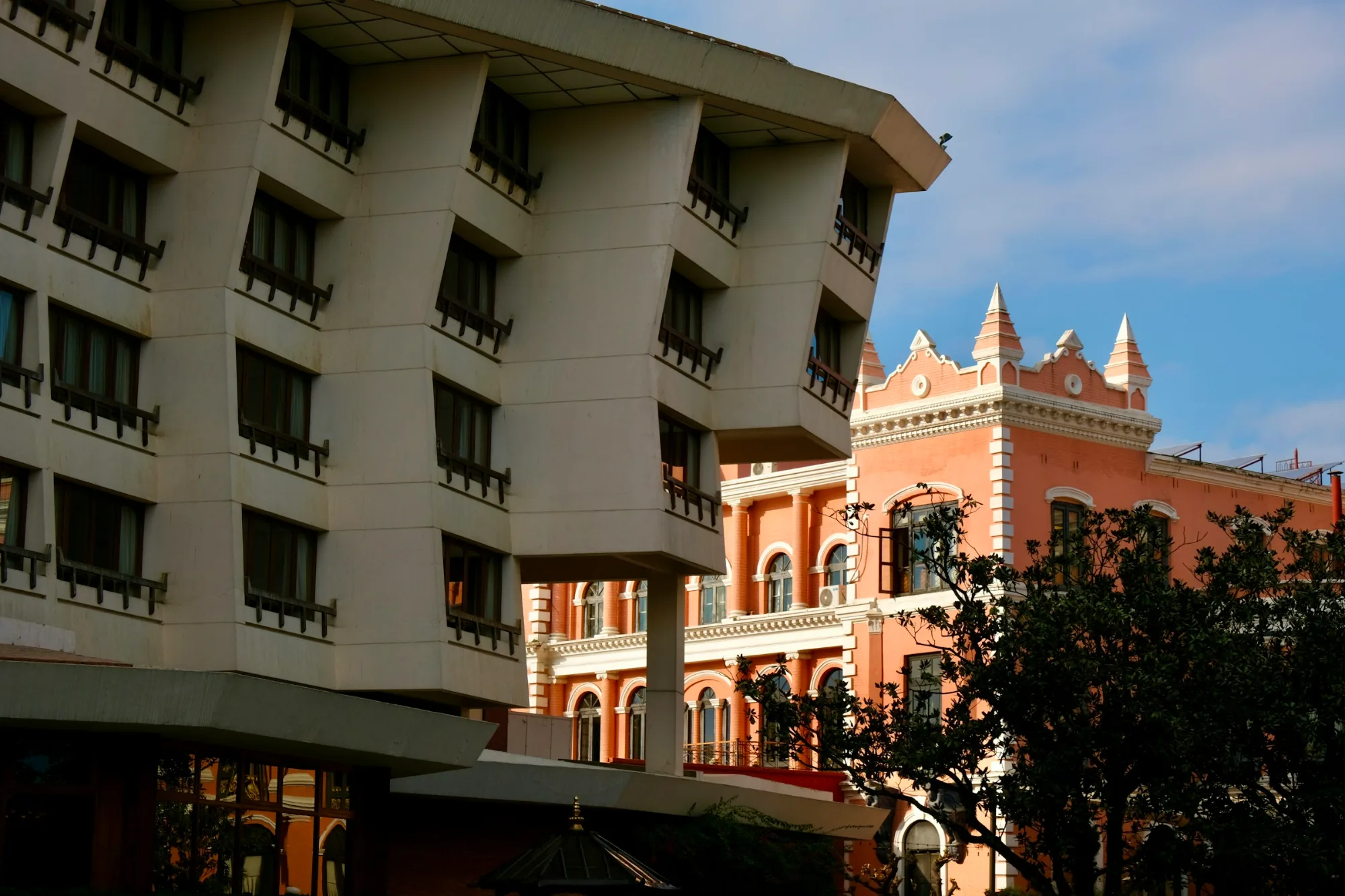
For a plenary of 300 to 700, the realistic shortlist is the Yak & Yeti, the Soaltee, the Hyatt Regency and the Marriott. The Yak & Yeti's halls sit inside the restored Lal Durbar palace, which gives a sense of place for a gala. The Soaltee has the largest published space of the group, including an outdoor lawn for receptions; it is now part of Marriott's Autograph Collection, so some Indian agencies will know it under its earlier name. The Hyatt Regency is close to Boudhanath, which helps for an evening at the stupa. Hotel Annapurna on Durbar Marg also hosts banquets and meetings; its own website was not reachable when we checked, so we confirm its hall sizes directly before quoting.
Ballroom size is only half of the question. A 300-delegate residential conference also needs around 150 to 300 rooms, depending on twin sharing. The Soaltee reported 285 rooms at its relaunch, so a group of that size often needs a main hotel plus an overflow property nearby, with shuttles timed to the agenda.
Public venues need a different conversation. The Birendra International Convention Centre in New Baneshwor, the city's purpose-built convention hall, which had been used as the parliament building, was set on fire during the September 2025 protests. The Kathmandu Post reported in March 2026 that its central roof had collapsed and the building was unusable, and local media reported in September 2026 that no decision had yet been made on demolition or rebuilding. Some older listings still show its hall capacity: do not plan on it. Bhrikutimandap is used for trade fairs, though Kathmandu media continue to describe it as inadequate for large exhibitions, and Nepal Academy Hall in Kamaladi is a public auditorium suited to a cultural performance more than a corporate conference. We check availability and technical standards case by case.
Pokhara
Pokhara suits the reward part of the trip: a lakeside welcome dinner, a sunrise drive to Sarangkot, a smaller business session in the morning. Pokhara Grande publishes the largest single hall we confirmed, at 500. Lakeside properties such as Fish Tail Lodge, Temple Tree and Hotel Barahi are better for groups of 50 to 150 or for breakouts; Barahi does not publish hall capacities on its own website, and neither could we confirm a current figure for The Fulbari Resort, so we check both with the hotels. For a full conference of several hundred, Kathmandu remains the better base.
Gala dinners and themed evenings
A themed evening is often the moment delegates remember. The options that work best are:
- Heritage settings inside hotels. The Yak & Yeti's palace halls, the Dwarika's courtyards and the Soaltee lawns give a strong setting within the hotel's own venue.
- Newari cultural dinners. Traditional food, masked dance and live music, staged in a hotel or a heritage restaurant.
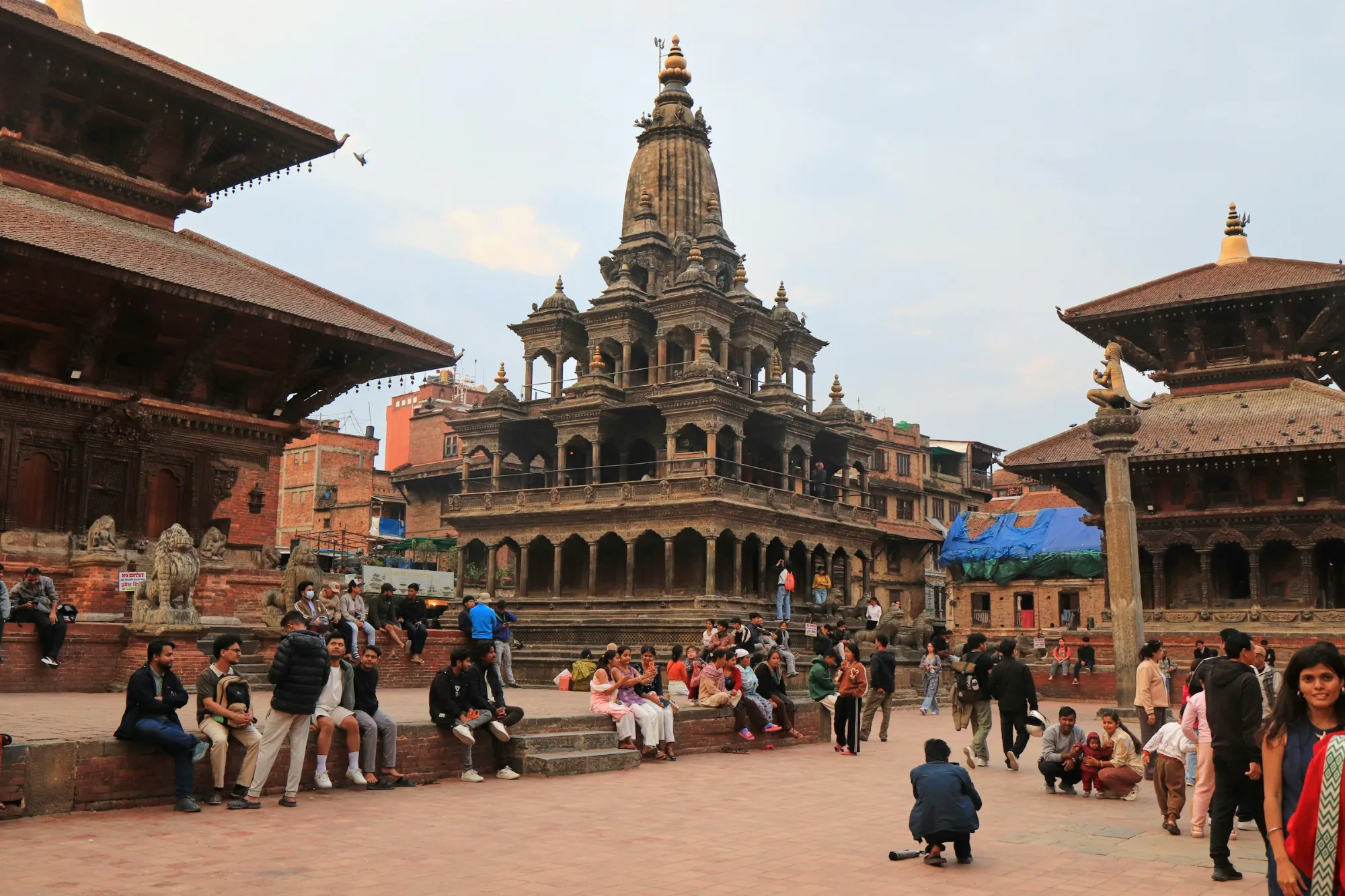
- Heritage squares and temple courtyards. Private use of a heritage square, such as part of a Durbar Square, depends on approval from the authorities that manage the site. This is not guaranteed and can come with conditions, so confirm it only once approved and always hold a hotel venue as back-up.
- Lakeside evenings in Pokhara. Outdoor dinners work well in the dry season, with an indoor fallback.
Ask each hotel early about generator back-up for stage lighting and AV, and about the noise curfew for outdoor events. Both vary by property.
Incentive activities
The activity menu is the main selling point. These are the formats we use most for corporate groups:
- Everest mountain flight. A sightseeing flight from Kathmandu at dawn. Buddha Air's flight lasts about an hour, departs from 6:15 am and gives every passenger a window seat. A large group fills several aircraft, so it runs as a series of departures. It is weather-dependent, so it belongs on a morning with a spare day behind it.
- Helicopter tours. For a top-tier reward group or a VIP sub-group. Seats are limited and weight rules apply; our Everest helicopter tour operator notes explain what to plan for.
- Paragliding in Pokhara. Tandem flights over Phewa Lake. Good for a sub-group; pair it with a lake boat outing for the rest.
- Heritage walks in Bhaktapur and Patan. Guided walks through the old towns, ideally with a pottery or woodcarving stop. Coaches stop at the edge of the old towns, so plan guides at a ratio that keeps the group together.
- Cooking classes and food walks. Momo-making and Newari food work well as team activities and suit vegetarian groups.
- Chitwan safari. Jeep or canoe outings and village visits in Chitwan National Park, over two nights.
- Short treks and day hikes. A day hike on the Kathmandu Valley rim or a short trek near Pokhara gives a taste of the hills without altitude risk.
- Rafting. Half-day or full-day rafting on the Trishuli, possible on the road between Kathmandu and Pokhara or Chitwan, depending on season and water levels.
Our tour programmes show how these combine into multi-day itineraries that can be adapted for corporate groups.
Flights and arrivals for large groups
Tribhuvan International Airport in Kathmandu handles almost all international arrivals. The Kathmandu Post reported that it averaged 284 take-offs and landings a day in 2025. An overnight closure for taxiway works, from 10 pm to 8 am, which ran from 8 November 2024 to 31 March 2025, cut morning operations; a shorter night closure also ran from 20 April to 18 May 2026, so check current operating hours when you set arrival times. Arrivals cluster at certain times of day, so a large group arriving across three or four flights needs staggered transfers and a hotel ready for early check-in.
Two other airports are worth knowing about:
- Pokhara International Airport. flydubai began a daily non-stop Dubai to Pokhara service on 23 September 2026. This helps long-haul groups routing via Dubai, but it is one flight a day, so a large group still splits.
- Gautam Buddha International Airport, Bhairahawa. Close to Lumbini, but the Kathmandu Post reported in February 2026 that its international services have remained irregular for lack of passengers, with Thai AirAsia's twice-weekly flight the only international service the report named. Check the current schedule before building a group around it.
Within Nepal, the Kathmandu to Pokhara leg is a short flight or a long drive; our guide to Kathmandu to Pokhara transport options compares the two. The Kathmandu Post also notes that haze, especially in spring, often delays or cancels domestic flights to Pokhara and Chitwan, so keep the first evening's event in Pokhara flexible.
Operator tip: Never schedule the main gala or the CEO keynote on the day of a domestic flight or the mountain flight. Put weather-dependent flights on day two or three and keep the last full day in Kathmandu free of fixed commitments, so a delayed flight eats into leisure time, not into the conference.
Timing around festivals and seasons
October and November are peak season: clear skies, comfortable temperatures and the highest demand for hotels, guides and vehicles. Spring, from March to May, is the other strong window, with warmer weather and some haze. June to September is the monsoon, which brings heavy rain, landslides on hill roads and cloudy mountain views. Winter, from December to February, is cold at night but often clear and quieter for hotels. Our Nepal weather by month guide sets out the detail.
Festivals affect corporate groups more than leisure travellers. Dashain and Tihar fall in the autumn high season: many staff travel home, offices close and domestic travel peaks, which squeezes vehicles and flights. Indian groups often want to travel around Diwali, which coincides with Tihar, so hotel blocks for those weeks need early contracting. Check the dates in our Nepal festivals 2027 calendar before you go to tender.
Plan for disruption as well. The UK Foreign, Commonwealth and Development Office notes that political protests, demonstrations and strikes are fairly common in Nepal, can start at short notice and disrupt transport. We monitor local news and keep alternative routes and timings ready, and for a large group we agree a communication plan with the client so delegates hear changes from one source.
For travel agents: how to package it
What to include
- Airport meet and greet with staggered transfers, group check-in and welcome kits.
- Conference hotel with plenary and breakout rooms, AV and generator back-up confirmed in writing.
- One signature evening (palace hall, cultural dinner or lakeside) and one signature activity (mountain flight or Pokhara).
- Optional sub-group activities, so delegates choose between soft adventure and culture.
- Guides and an on-site operations team scaled to the group, with a hospitality desk at the hotel.
Buffers that protect the programme
- A spare morning for the mountain flight and any domestic flight.
- Road time quoted as a range, with a lunch stop that can move.
- A hotel indoor back-up for every outdoor event, and a contingency hotel for overflow.
- Rooming list, dietary needs and ID document types collected early, particularly for Indian delegates travelling without passports.
Who it suits
Three to five nights suits most Indian incentive groups: two nights in Kathmandu with the conference and gala, and two in Pokhara or Chitwan. Long-haul groups usually add a night to recover from the flight. Groups of 50 to 300 are the comfortable range; larger groups are possible but need two hotels and more lead time.
Upsells
Helicopter tours for top performers, a private Chitwan lodge extension, spa days in Pokhara, or a short trek for a smaller adventure sub-group. Our Nepal group tours planning guide covers hotel blocks, coach sizes and staffing in more depth, and Indian agencies will find our notes on ground handling for Indian tour operators useful for the practical side of working with a Nepal ground handler.
How we can help
We are licensed by the Government of Nepal for travel, tour, trekking and mountaineering, and are members of TAAN and NMA. We run our own guides and transport and hold our own hotel contracts, and we handle everything from FIT travellers to large groups, at standard to luxury level. Guides in other languages are available on request with advance notice.
Planning a corporate incentive or conference in Nepal for next season? Become a partner and send us your dates, numbers and brief.
Frequently asked questions
Can Nepal host a conference of 300 people?
Yes. Several Kathmandu hotels publish capacities of 600 to 800 for their largest rooms, including the Yak & Yeti, the Soaltee, Hyatt Regency and Marriott. The harder part is rooms: a residential group of 300 often needs a main hotel plus an overflow property.
What incentive activities are there in Nepal?
The most popular are the Everest mountain flight from Kathmandu, heritage walks in Bhaktapur and Patan, cooking classes, paragliding and lake outings in Pokhara, a Chitwan safari, short hikes, rafting and helicopter tours for top performers.
What is the best time for a corporate trip to Nepal?
October and November give the clearest weather but the highest hotel demand, especially around Dashain and Tihar. Spring, from March to May, is the other good window; the June to September monsoon is best avoided for outdoor-heavy programmes.
Can the International Convention Centre in Kathmandu be booked?
No. The BICC had been used as the parliament building and was badly damaged by fire in September 2025; the Kathmandu Post reported it unusable, so large events are planned in hotels instead.
Do Indian delegates need a visa for Nepal?
No, Indian citizens do not need a visa, but only specific identity documents are accepted at immigration. Collect each delegate's document type with the rooming list and check our entry rules guide.
Can we hold a gala dinner in a Durbar Square?
Private use of a heritage square depends on approval from the authorities that manage the site. This is not guaranteed and can come with conditions, so confirm it only once approved and always hold a hotel venue as back-up.
Sources
- Hotel Yak & Yeti: The Regal Ballroom capacity chart
- The Soaltee Kathmandu, Autograph Collection: events
- The Kathmandu Post: No immediate plan to rebuild BICC six months after fire
- IndiGo: Delhi to Kathmandu flights
- The Kathmandu Post: Domestic air traffic hits record high in 2025
- The Kathmandu Post: Tourist growth plan unveiled to revive international flights at Bhairahawa airport
- Khaleej Times: flydubai launches daily flights to Pokhara
- UK FCDO: Nepal safety and security